No products in the cart.

Kerala University Denies Viral Draft Proposing Ban on Campus Protests
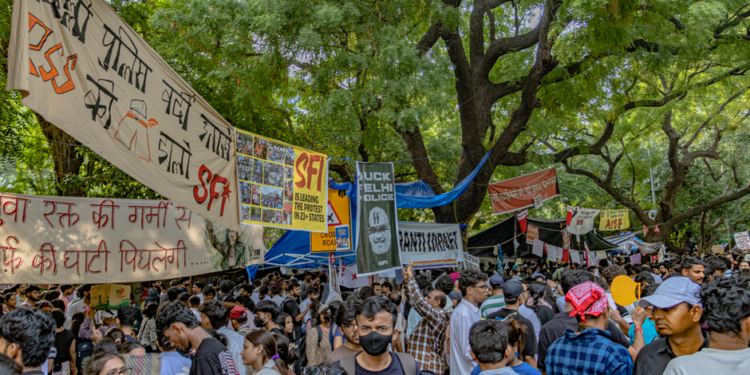
Kerala University has denied the existence of a draft proposal that aimed to restrict political activities on its campuses, following widespread concern from student organizations and political leaders.

Kerala, India — Kerala University has denied the existence of a draft proposal that aimed to restrict political activities on its campuses. Vice-Chancellor Mohanan Kunnummal confirmed that no such document was prepared or approved. This clarification comes after widespread concern from student organizations and political leaders about alleged restrictions on campus engagement.
The circulated document suggested various limits on student protests. It included bans on dharnas, blockades, and raising political slogans. It also proposed penalties for students involved in violent protests, such as fines and potential suspension. The Vice-Chancellor emphasized that these provisions were not part of any official guidelines. This denial reassures students that their rights to protest and engage politically are protected, allowing for diverse opinions to be expressed freely.
Impact on Political Science Curriculum and Student Activism
The denial of the proposed restrictions is significant for political science students at Kerala University. These students engage in understanding political systems, and active participation in campus politics is vital for their education. Career Ahead’s analysis shows that without restrictions, students can fully engage in their studies, promoting a strong environment for debate and discussion. This is especially relevant in Kerala, known for its politically active student body, where student movements have influenced broader political trends.
The university’s clarification supports a vibrant culture of activism on campus. This is important in a region where student activism shapes political discourse. Political science students benefit from real-world experiences that enhance their understanding of democratic processes and civic engagement. As noted by Jagran Josh, the university’s commitment to democratic engagement is essential for nurturing future leaders in India’s complex political landscape.
Student organizations expressed relief at the university’s announcement. They stated that the proposed restrictions would have severely limited their ability to organize and advocate for various causes. The controversy surrounding the viral document has shifted the focus back to the importance of student activism in shaping educational policies and political landscapes. This incident reminds us of the vital role that student voices play in the democratic process, especially in a country where youth activism drives social change.
The controversy surrounding the viral document has shifted the focus back to the importance of student activism in shaping educational policies and political landscapes.
Furthermore, the university’s response highlights the need for transparency and communication between the administration and student bodies. With rising misinformation, educational institutions must clarify their positions quickly to prevent misunderstandings that can lead to unrest. As highlighted by Onmanorama, the swift backlash from student organizations and political leaders shows the sensitivity surrounding political expression in educational settings. This emphasizes the need for ongoing dialogue between students and administration.
As Kerala University supports student activism, political science students are encouraged to remain vigilant and engaged. The university’s commitment to protecting political expression is crucial for fostering an environment where students can develop their voices and leadership skills. Recent events reaffirm the university’s stance on political activities and highlight the necessity for students to participate in discussions about their rights and responsibilities within the academic community.
Reactions from Student Organizations and Political Leaders
The backlash against the alleged proposal was swift. Various student organizations and political leaders condemned the restrictions before the university’s clarification. Groups like the Student Federation of India (SFI) and the Kerala Students Union (KSU) rallied to voice their opposition, stating that any attempt to limit political activities would be met with strong resistance. Their mobilization reflects a broader trend of student activism in Kerala, where student bodies lead political movements.
Former Kerala Chief Minister Pinarayi Vijayan criticized the purported proposal, calling it anti-democratic. He expressed concerns that such measures could lead to widespread protests among students, who have historically been at the forefront of political movements in India. His comments underscore the critical role of student activism in the region’s political landscape. The university’s denial of the proposal has been welcomed by these organizations, who view it as a victory for democratic engagement. They argue that the freedom to protest and express political opinions is fundamental to education and essential for cultivating informed citizens.
This incident raises questions about balancing order on campus with allowing democratic expression. As students engage in political discourse, universities must support these activities while ensuring a conducive learning environment. The university’s response also highlights the importance of active dialogue between students and administration. Open communication can help prevent misinformation and foster a collaborative atmosphere for addressing campus life concerns.
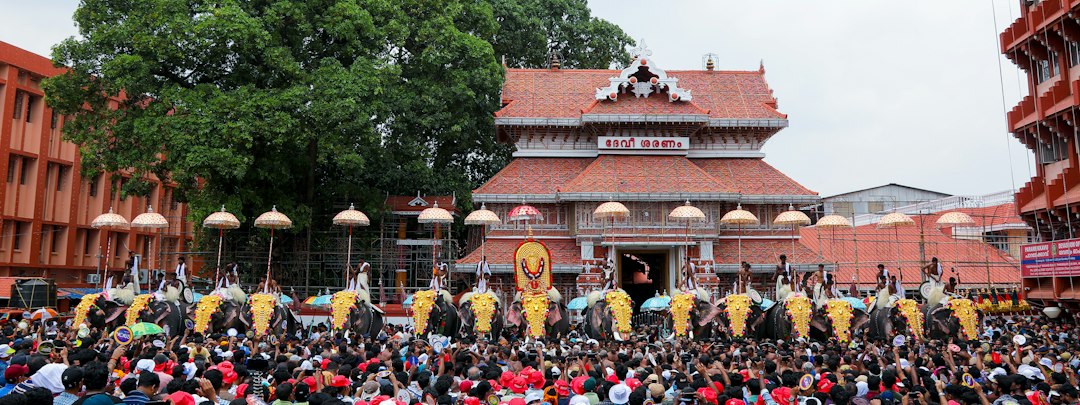
As students engage in political discourse, universities must support these activities while ensuring a conducive learning environment.
In light of these events, student organizations will likely continue advocating for their rights to engage in political activities. They aim to ensure their voices are heard in ongoing discussions about education and democracy. With the university’s commitment to supporting political engagement, students are encouraged to take an active role in shaping their campus environment. This controversy serves as a reminder of the power of student activism and the importance of remaining engaged in political discussions.
Frequently Asked Questions
What are the current policies on campus protests at Kerala University?
Kerala University has confirmed that there are no current proposals to restrict political activities or campus protests. The Vice-Chancellor emphasizes the university’s commitment to maintaining a democratic space for student expression.
How can campus activists respond to misinformation?
Campus activists can respond to misinformation by engaging with student bodies, encouraging open dialogue, and seeking clarification from university administration. Transparency and communication are key to combating false narratives.
What should political science students do to stay informed about campus policies?
Political science students should engage with student organizations, attend university meetings, and follow official communications from the university. Staying informed helps them understand their rights and responsibilities regarding political activities on campus.
Written by Career Ahead AI. AI can make mistakes, so verify key facts. Report errors to support@careeraheadonline.com.