No products in the cart.

Kerala’s School Reform Plan: Lighter Bags and Inclusive Classrooms

Kerala's education department has launched a reform plan focused on reducing school bag weights and eliminating backbenchers, promoting a more inclusive learning environment.

Thiruvananthapuram, India — Kerala’s education department is making significant strides in reforming its school system. The recent initiative aims to reduce the weight of school bags and eliminate the concept of backbenchers in classrooms. These changes reflect a commitment to creating a more inclusive, child-friendly learning environment. With a focus on student well-being, this reform is timely and necessary, especially as educational demands increase.
The Kerala government’s decision comes amidst growing concerns over the physical and mental health of students. Heavy school bags have been linked to various health issues, including back pain and stress. The new measures aim to lighten the load for students while also fostering a more equitable classroom environment. By removing the stigma associated with being a backbencher, the government hopes to encourage active participation from all students.
This reform is part of a broader strategy to democratize education in Kerala. Officials believe that by making classrooms more inclusive, they can enhance student engagement and academic performance. The initiative is designed to cater to diverse learning needs, ensuring that every child has the opportunity to thrive in a supportive setting.
Why Kerala’s School Reform Matters Now
The changes in Kerala’s education system come at a crucial time. Education systems worldwide are grappling with how to adapt to the needs of modern students. The COVID-19 pandemic has highlighted the importance of mental health and well-being in education. As students return to in-person learning, the focus has shifted from traditional academic success to holistic development.
As students return to in-person learning, the focus has shifted from traditional academic success to holistic development.
Kerala’s initiative stands out because it addresses both physical and emotional aspects of student life. By reducing the burden of heavy school bags, the government is acknowledging the need for physical comfort in learning. Simultaneously, the removal of backbenchers aims to foster a culture of inclusion, where every student feels valued and encouraged to participate.
Moreover, the reforms align with global trends towards more child-centric educational approaches. Countries are increasingly recognizing the importance of mental health in education, and Kerala is positioning itself as a leader in this movement. This proactive stance not only benefits students but also sets a precedent for other states and countries to follow.
You may also like
 Education & University Insights
NYC Leaders Push for School Integration Amid Segregation
New York City's school system remains one of the most segregated in the U.S. City leaders are now pushing for integration, but advocates emphasize the…
Read More →How This Affects Students and Teachers in Kerala
The implications of these reforms are significant for both students and teachers in Kerala. For students, lighter bags mean less physical strain, allowing them to focus better in class. This change can lead to improved academic performance as students are more comfortable and less distracted by physical discomfort.
Teachers will also benefit from the reform. With a more inclusive classroom environment, educators can engage with students more effectively. The elimination of backbenchers encourages teachers to develop teaching methods that cater to all learning styles, fostering a more dynamic and interactive classroom experience.
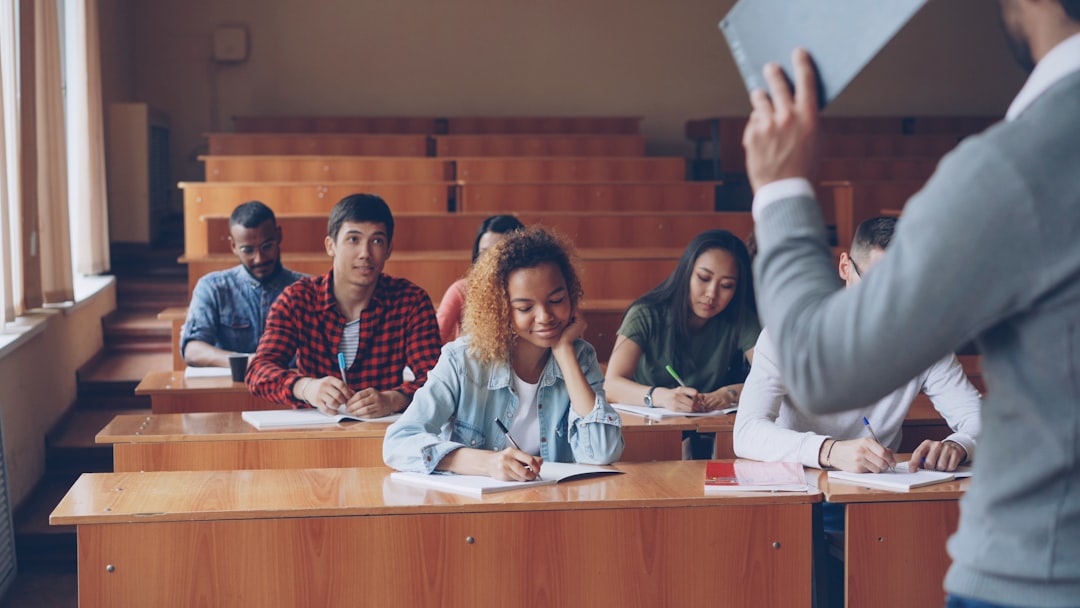
Furthermore, the initiative can enhance teacher-student relationships. By creating an environment where every student is encouraged to participate, teachers can better understand their students’ needs and tailor their approaches accordingly. This can lead to a more supportive and nurturing educational atmosphere.
With a more inclusive classroom environment, educators can engage with students more effectively.
Positioning Yourself for Educational Success in Kerala
- Stay Informed: Keep up with the latest educational reforms and policies in Kerala. Understanding these changes can help you adapt your learning strategies effectively.
- Engage Actively: Take advantage of the inclusive classroom environment. Participate in discussions and activities to enhance your learning experience.
- Focus on Well-being: Prioritize your physical and mental health. Lighter bags are just one aspect; ensure you maintain a balanced lifestyle to support your education.
- Collaborate with Peers: Form study groups or partnerships with classmates. This collaborative approach can enhance understanding and retention of information.
However, some experts caution against the potential challenges of implementing these reforms. Critics argue that while the intentions are noble, the execution may face hurdles. For instance, ensuring that all classrooms are equipped to handle diverse learning needs requires significant resources and training for teachers. Without proper support, these well-meaning initiatives could fall short of their goals.
The Future of Education Reform in Kerala
Looking ahead, Kerala’s school reform plan could serve as a model for other regions. As more states recognize the importance of student well-being, we may see a shift towards similar initiatives across India and beyond. The focus on lighter bags and inclusive classrooms could pave the way for a broader educational transformation.
You may also like
 Education & University Insights
UP ITI Admission Opens Fifth Phase Applications
The fifth phase of UP ITI admissions for the 2026-27 training session will start on October 6, 2026, and will remain open until midnight on…
Read More →As Kerala continues to innovate in education, one must consider: how will these changes influence the future of teaching and learning in other states? The success of this initiative may inspire a nationwide movement towards more inclusive and supportive educational environments.