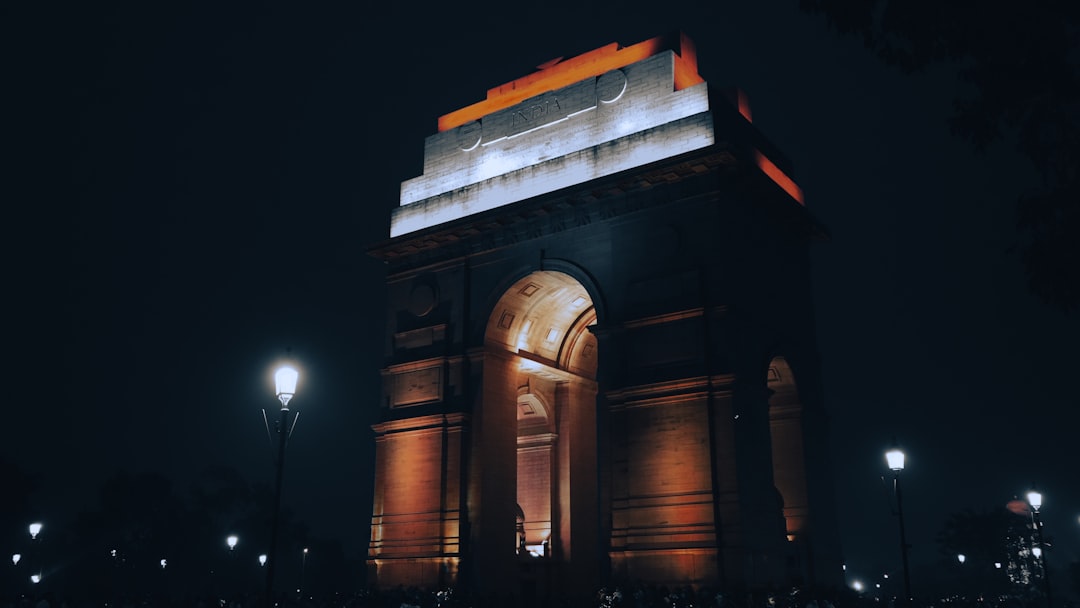
Delhi, India — Delhi University has made a controversial decision to remove its designated ‘Walls of Democracy’ where students previously posted notices and expressed their opinions. This move has sparked protests among the student body, who view it as an attack on their right to free expression. The university’s decision comes in the wake of increased scrutiny over student political activities and the management of campus spaces.
The ‘Walls of Democracy’ were established as a platform for students to freely express their views, particularly during election times. These walls allowed student organizations to campaign, share information, and engage in political dialogue. However, recent reports indicate that security staff at the university have begun tearing down posters and preventing students from using these spaces. This has raised alarms about the state of student rights and freedoms on campus.
In a recent incident, two students affiliated with the Students’ Federation of India (SFI) attempted to paste posters opposing the Viksit Bharat Shiksha Adhishthan Bill near St. Stephen’s College. They were confronted by security personnel who informed them that the walls no longer existed. This abrupt removal of the walls has left many students feeling disenfranchised and silenced.
Why Delhi University’s Decision Matters for Student Expression
The removal of the ‘Walls of Democracy’ at Delhi University is significant for several reasons. First, it represents a broader trend of diminishing spaces for student expression across educational institutions in India. Many universities have seen similar restrictions imposed on student activities, which raises questions about the future of democratic engagement among young people.
Second, this decision could have a chilling effect on student activism. Students often rely on these spaces to organize protests, share information about political issues, and mobilize their peers. By restricting access to these walls, the university may inadvertently stifle important conversations that are vital for a healthy democratic society.
With the upcoming elections and ongoing debates about educational policies, students need avenues to express their opinions and advocate for their rights.
Furthermore, the timing of this decision is particularly concerning. With the upcoming elections and ongoing debates about educational policies, students need avenues to express their opinions and advocate for their rights. The removal of these walls could lead to a more subdued political climate on campus, where students may feel hesitant to voice their concerns.
 Education & University Insights
Education Leaders Stress Early University Succession
The conclave brought institutional and technology leaders together to examine university transitions and long-term vision.
Read More →According to the SFI, the removal of the walls was carried out without prior consultation with students or student organizations. This lack of communication has fueled frustration and anger among the student body, who argue that the walls have historically served as an essential democratic space for expression and engagement.
In response to these developments, the SFI has submitted a formal complaint to the university’s proctor, demanding the immediate reinstatement of the walls. They argue that stifling democratic expression undermines the very principles that educational institutions should uphold. The organization has called on students to unite and protest against this decision, emphasizing the importance of maintaining open channels for dialogue and dissent.
The implications of this decision extend beyond Delhi University. It reflects a growing trend of universities across India tightening their grip on student activism and expression. As students face increasing challenges in voicing their opinions, the broader implications for civil society and democracy in India cannot be ignored.
How This Affects Student Careers and Activism
The removal of the ‘Walls of Democracy’ could have far-reaching effects on students’ careers and their ability to engage in activism. For many students, involvement in campus politics and activism is a critical aspect of their education. It helps them develop essential skills such as leadership, communication, and critical thinking.
Moreover, participating in student organizations and movements often enhances a graduate’s employability. Employers frequently look for candidates who demonstrate initiative, teamwork, and the ability to navigate complex social issues. By limiting opportunities for student engagement, Delhi University risks undermining the professional development of its students.
The skills and networks they build through these activities are invaluable in preparing them for future careers.
Students in fields such as political science, law, and social work may find their educational experiences diminished if they are unable to engage in meaningful discussions and activism. The skills and networks they build through these activities are invaluable in preparing them for future careers.
 Government & Policy
UK Chancellor Healey Faces Budget Test Amid Economic Pressures
UK growth has beaten forecasts, while inflation and defence costs add pressure to public spending plans.
Read More →Additionally, the current political climate in India places a premium on civic engagement and activism. Students who are active in their communities often gain recognition and opportunities that can significantly enhance their career prospects. The removal of the ‘Walls of Democracy’ could limit these opportunities, making it more challenging for students to make a name for themselves in their respective fields.
In light of these developments, students are encouraged to seek alternative avenues for expression and activism. Utilizing social media platforms, organizing informal discussions, and collaborating with other student organizations can help maintain a vibrant culture of engagement despite the restrictions imposed by the university.
Steps for Students to Navigate This Situation
In response to the removal of the ‘Walls of Democracy,’ students can take proactive steps to continue advocating for their rights and maintaining their engagement in campus activities. Here are some actionable strategies:
- Organize Informal Gatherings: Create spaces for discussion and debate outside the designated walls. This can include study groups, forums, or casual meet-ups where students can share their views and experiences.
- Utilize Social Media: Leverage platforms like Twitter, Instagram, and Facebook to spread awareness about issues affecting students. This can help in mobilizing support and keeping the conversation alive.
- Collaborate with Other Organizations: Partner with other student bodies to strengthen collective advocacy efforts. By joining forces, students can amplify their voices and make a more significant impact.
- Engage with University Administration: Request meetings with university officials to express concerns about the removal of the walls. Open dialogue can sometimes lead to positive change.
However, experts warn that this trend may not be sustainable. A recent analysis from the National Student Union of India suggests that while universities may impose restrictions, the student body will continue to find ways to express dissent. The resilience of student activism in India has a long history, and attempts to suppress it often lead to greater mobilization.
The need for democratic spaces in educational institutions is more critical than ever.
The Future of Student Activism at Delhi University
The future of student activism at Delhi University hangs in the balance. As the university grapples with its decision to remove the ‘Walls of Democracy,’ students are left to navigate a landscape that is increasingly hostile to their voices. The need for democratic spaces in educational institutions is more critical than ever.
 Education & University Insights
Goa Conclave Calls for New University Models, AI and Research
The first day of the ETEducation Chancellors’ Conclave 2026 ended in Goa with calls to rethink university teaching, employability, research and AI.
Read More →As students adapt to these changes, they must remain vigilant and proactive in advocating for their rights. The resilience shown by student organizations in the past suggests that while challenges exist, opportunities for engagement and expression will continue to emerge. How will students at Delhi University respond to this new reality, and what innovative methods will they employ to ensure their voices are heard?
Written by Career Ahead AI. AI can make mistakes, so verify key facts. Report errors to support@careeraheadonline.com.