No products in the cart.

Kevin O’Leary Wants to Build a $100 Billion AI Data Center in Utah. Locals Say It Could Drain

Kevin O’Leary's ambitious $100 billion AI data center project in rural Utah promises significant job creation but faces strong opposition from locals concerned about environmental impacts, particularly on the Great Salt Lake.

Kevin O’Leary’s Ambitious Proposal
Utah, USA — Investor and television personality Kevin O’Leary has unveiled a bold plan for a $100 billion AI data center in rural Utah, known as the Stratos Project. This initiative aims to generate 10,000 construction jobs and 2,000 permanent positions. However, the proposal has ignited considerable backlash from local residents who are worried about its environmental implications, especially regarding the already shrinking Great Salt Lake.
Despite receiving unanimous approval from Box Elder County commissioners, the project has faced protests from hundreds of community members. Concerns center on the facility’s massive energy consumption and water usage, which could exacerbate existing environmental issues. O’Leary has emphasized the importance of enhancing America’s computing power for national security, stating, “We can’t let the Chinese beat us.” Yet, this assertion has done little to quell local apprehensions.
Economic Benefits vs. Community Skepticism
Proponents of the Stratos Project highlight its potential economic advantages. O’Leary insists that the center will not only create jobs but also invigorate the local economy. He claims the data center will be powered by a natural gas plant, which he argues is a cleaner alternative to other energy sources, aiming to reassure locals about its environmental responsibility.
However, skepticism surrounds the projected job creation figures. Critics question the sustainability of these jobs and whether they will materialize as promised. While the construction phase may offer temporary employment, the longevity of permanent positions remains uncertain. Furthermore, reliance on a natural gas plant raises concerns about the future of fossil fuels in a world increasingly focused on renewable energy.
Furthermore, reliance on a natural gas plant raises concerns about the future of fossil fuels in a world increasingly focused on renewable energy.
Environmental Risks and Community Concerns
The environmental ramifications of the Stratos Project are a significant concern for local residents. The Great Salt Lake, already facing severe ecological threats, could be further endangered by the water demands of the data center. Environmental advocates, including Caroline Gleich, have called for a comprehensive environmental impact study before any construction begins, arguing that draining the lake could lead to toxic dust storms and health risks for nearby communities.
You may also like
 Entrepreneurship & Business
College Students Shape the Future of A.I. Investment
College students are increasingly influencing the A.I. investment landscape, with initiatives like Dorm Room Fund raising substantial capital. This shift highlights the growing importance of…
Read More →Residents are particularly alarmed by the projected water usage of the facility, which is expected to exceed the entire state’s annual consumption. This raises critical questions about water rights and the sustainability of such a massive operation in a region already grappling with water scarcity. The local population is concerned not only about immediate impacts but also about the long-term health of their environment and community.
Economic Growth vs. Environmental Sustainability
The debate surrounding the Stratos Project highlights a significant tension between economic development and environmental sustainability. Supporters argue that the economic benefits of the data center outweigh potential environmental costs, believing that job creation will provide a much-needed boost to rural areas with limited employment opportunities.
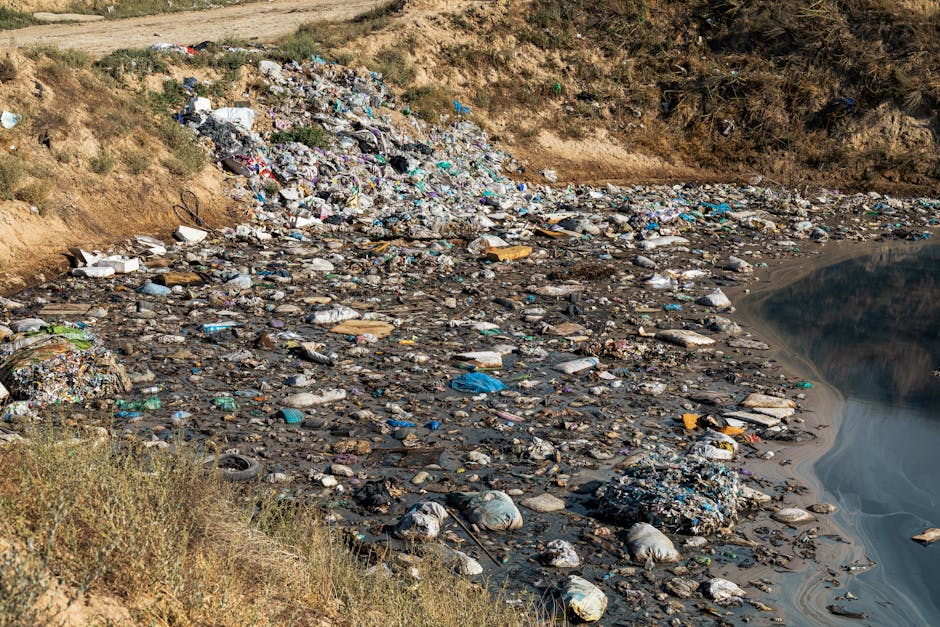
Conversely, opponents emphasize the long-term ecological risks associated with such a large-scale project. Increased air pollution, water depletion, and ecological degradation pose serious threats to the region’s natural resources. This ongoing debate reflects a broader conflict seen across the United States, where communities grapple with the trade-offs between economic growth and environmental stewardship.
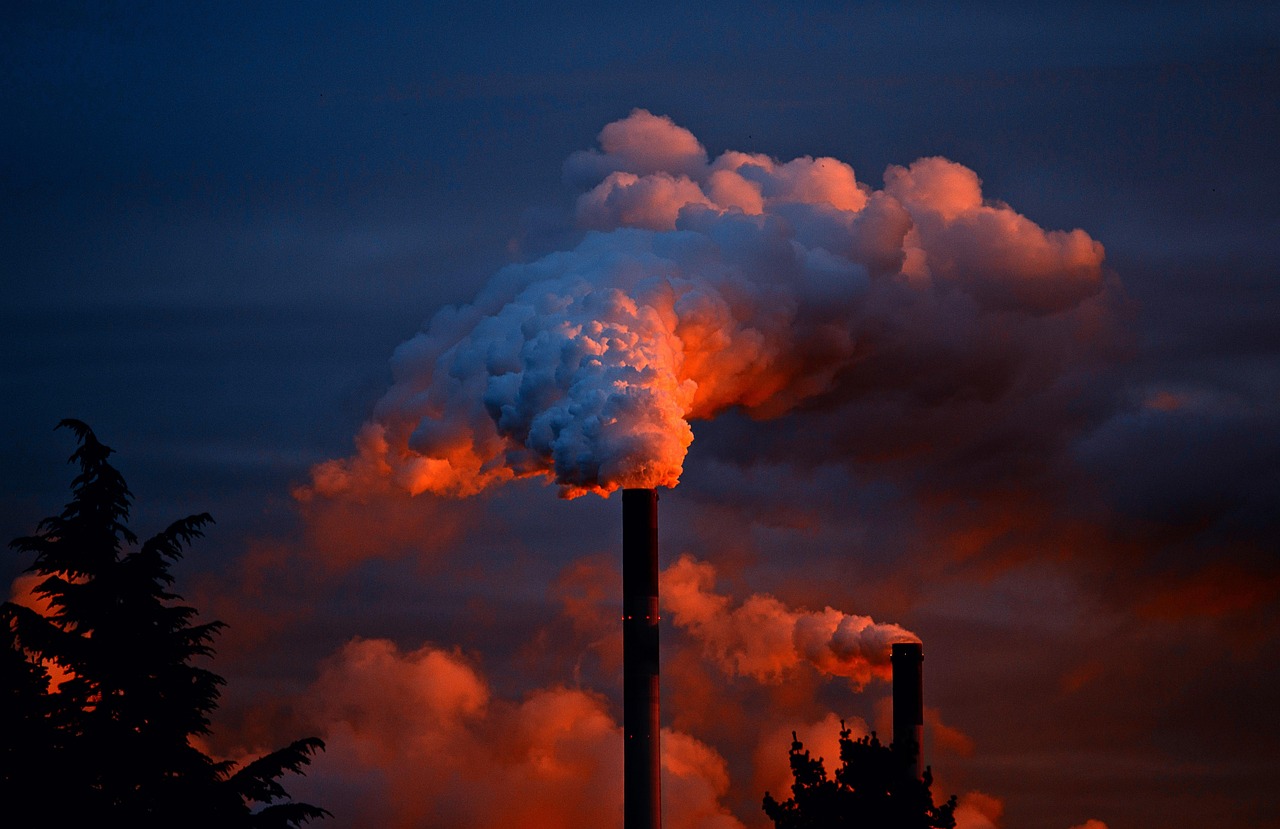
Future Considerations for AI Data Centers
The future of AI data centers like the one proposed by O’Leary may depend on their ability to balance economic growth with environmental responsibility. As demand for data storage and processing continues to rise, so does the pressure on local resources. Companies must innovate to ensure their operations are sustainable, particularly in regions facing environmental challenges.
Future Considerations for AI Data Centers The future of AI data centers like the one proposed by O’Leary may depend on their ability to balance economic growth with environmental responsibility.
Looking ahead, the success of O’Leary’s project may hinge on local referendums and the outcomes of environmental impact assessments. If the community can effectively voice its concerns and advocate for sustainable practices, it could set a precedent for future developments in the tech industry. The outcome may not only shape Utah’s economic landscape but also influence how other regions approach similar projects.
Sources: Entrepreneur, Soapcentral, Decider, NBC News.
You may also like
 Entrepreneurship & Business
Earnings Must Validate AI Investments
Tiffany McGhee emphasizes the need for companies to demonstrate the effectiveness of their AI investments in earnings reports, as global AI spending is projected to…
Read More →