No products in the cart.

Labour’s Zero-Hours Contracts Risk Union Backlash
Unions express deep concerns over Labour's proposals for zero-hours contracts, fearing a breach of manifesto commitments and potential exclusion of many workers from new rights.

UK — Unions are raising alarms over Labour’s recent proposals regarding zero-hours contracts. Leaders fear that the party’s plan, which aims to reform these contracts, could undermine the commitments made in its manifesto. The discussion comes as the deadline for consultations on the policy approaches grows near, prompting urgent calls from union representatives for clarity and assurance from the government.
The unions are particularly concerned about the specifics of the proposed changes, especially regarding who will qualify for new guaranteed hours contracts. The Trades Union Congress (TUC) has labeled the current discourse as “scaremongering” from business groups, which they argue is skewing the narrative around necessary reforms. Union leaders, including those from Usdaw and GMB, are adamant that the right to guaranteed hours should apply universally to all workers, including those currently on zero-hours contracts. This sentiment was echoed by TUC’s Kate Bell, who highlighted the need for reforms that genuinely reflect the realities faced by workers.
Challenges for Workers on Zero-Hours Contracts
Zero-hours contracts have long been a contentious issue in the UK labour market. These contracts often leave workers without guaranteed hours, leading to financial instability and uncertainty. Recent proposals from Labour aim to address this by introducing new rights for workers, yet the details remain vague, causing concern among unions. Joanne Thomas, general secretary of Usdaw, emphasized that “the right to a contract that guarantees the hours you normally work is a matter of basic fairness and security.”
These contracts often leave workers without guaranteed hours, leading to financial instability and uncertainty.
You may also like
 Government & Policy
Environmental Compliance Challenges for Tech Giants
Finland has halted Google's data center projects due to environmental assessment concerns, impacting the tech giant's expansion plans in Europe and raising questions about compliance…
Read More →Concerns have been amplified by reports indicating that the proposed upper hours threshold could exclude many workers from qualifying for the new rights. This means that workers who already have contracts guaranteeing them hours above a certain threshold may not benefit from the changes, potentially leaving them in the same precarious position they currently face. The GMB union’s head of policy, Ross Holden, has pointed out that without a substantial re-evaluation of the policy, it risks falling short of the promises made in Labour’s manifesto. Furthermore, the TUC has estimated that workers on zero-hours contracts could lose around £3,000 annually due to irregular and unpredictable shifts, exacerbating their financial insecurity.
Moreover, the proposed “regularity requirement” has raised additional alarms among unions. Many fear that this stipulation could further restrict access to guaranteed hours for a significant number of workers, thus negating the intended benefits of the reform. Unite’s spokesperson highlighted that if the government intends to create a right that few can enforce, they are on the right track, indicating a potential disconnect between policymakers and the realities faced by workers. Reports from The Guardian have noted that the Labour Party’s commitment to reducing zero-hours contracts was a key part of Keir Starmer’s manifesto, making the current proposals particularly contentious.
Union Advocacy and Policy Development
The response from unions has been vocal and urgent. The TUC has been at the forefront, demanding that Labour adheres to its manifesto commitments. Union leaders are engaging directly with government officials, including Business Secretary Jonathan Reynolds, to advocate for changes that would benefit all workers. The unions argue that the reforms must not only be symbolic but also practical, ensuring that all workers can access guaranteed hours. This includes a push for a clear definition of what constitutes a regular working pattern, which is crucial for determining eligibility for the proposed rights.
In recent discussions, union representatives have expressed frustration over what they perceive as a lack of genuine consultation from the government. They argue that if the policy development is one-sided, it risks being watered down, leaving many workers vulnerable. This sentiment was echoed by multiple union leaders, who have called for a more inclusive dialogue that prioritizes the voices of those affected by these contracts. The urgency of this situation is reflected in the TUC’s ongoing campaigns to raise awareness about the potential pitfalls of the proposed changes and to advocate for a more equitable approach that aligns with Labour’s original promises.
You may also like
 Government & Policy
McDonalds sued over AI tool that recommends prices to US franchisees
Michael Thomas claims he noticed price discrepancies between nearby McDonald’s locations, attributing them to the company's AI pricing system.
Read More →
Future of Zero-Hours Contracts
Union leaders are engaging directly with government officials, including Business Secretary Jonathan Reynolds, to advocate for changes that would benefit all workers.
The implications of these policy changes are far-reaching. Workers on zero-hours contracts often report that irregular and unpredictable shifts cost them significantly, leading to an estimated loss of around £3,000 annually, as indicated by TUC’s Kate Bell. This financial insecurity not only affects their livelihoods but also their mental health, with many workers expressing a desire to move away from such contracts. The precarious nature of zero-hours work has been linked to increased stress and anxiety, highlighting the urgent need for reforms that genuinely protect workers’ rights.
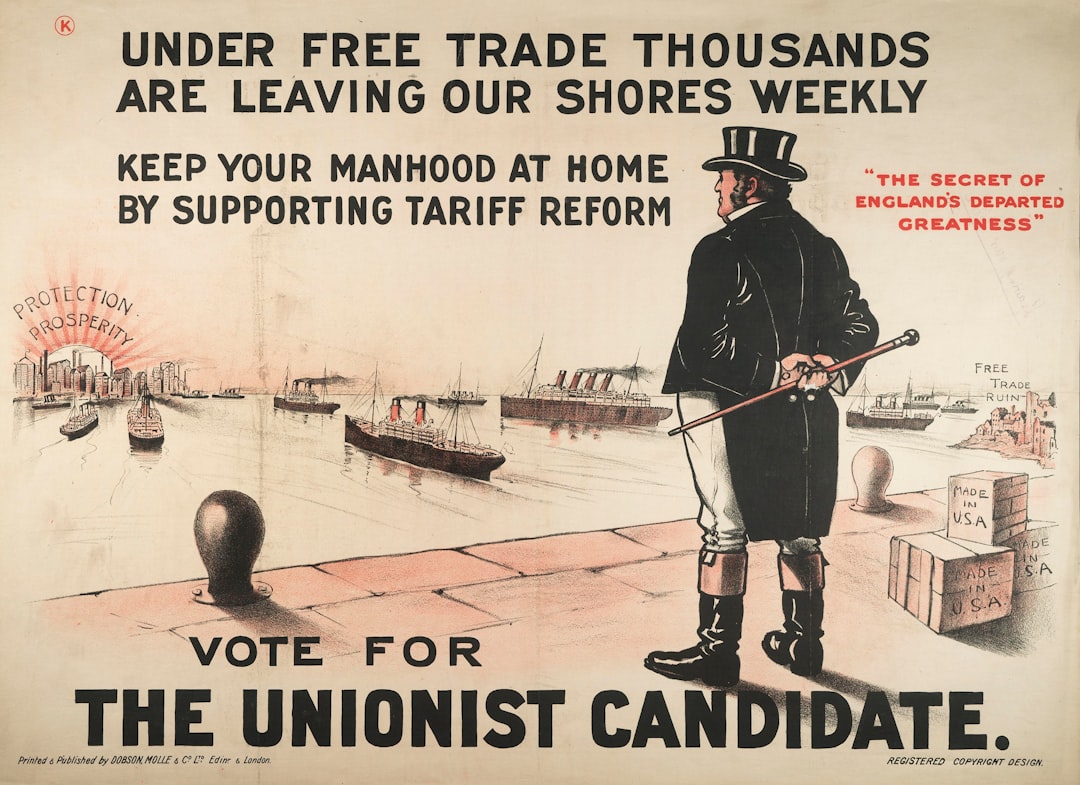
As Labour navigates these complexities, the challenge will be to ensure that any new measures genuinely protect workers’ rights and do not merely serve as a political gesture. The unions are calling for a commitment to a comprehensive approach that includes all workers, regardless of their current contract status. The stakes are high as Labour attempts to balance the demands of business groups with the needs of vulnerable workers.

As the deadline for public consultation approaches, the question remains: will Labour deliver on its promises, or will the voices of unions advocating for worker rights be sidelined in the process? The outcome of this policy shift could redefine the landscape of employment rights in the UK, making it imperative for all stakeholders to engage meaningfully in the discussions ahead.
You may also like
 Government & Policy
South Africa’s Reserve Bank Surveys Firms to Guide Rate Policy
The Reserve Bank of South Africa has initiated surveys among firms to gather data that will inform its interest rate policy. This proactive approach aims…
Read More →