No products in the cart.

Mumbai School Canteens Transform Post Junk Food Ban | Career Outlook

Mumbai school canteens are transforming following a directive from the Maharashtra FDA to eliminate junk food. This article explores the immediate changes, challenges for canteen managers, and the broader implications for child nutrition.

Mumbai, India — Following a directive from the Maharashtra Food and Drug Administration (FDA), school canteens in Mumbai are undergoing significant changes. The order, issued by Commissioner Tukaram Mundhe, mandates the removal of junk food from school menus. This shift aims to promote healthier eating habits among students and is already influencing what is served in various canteens across the city.
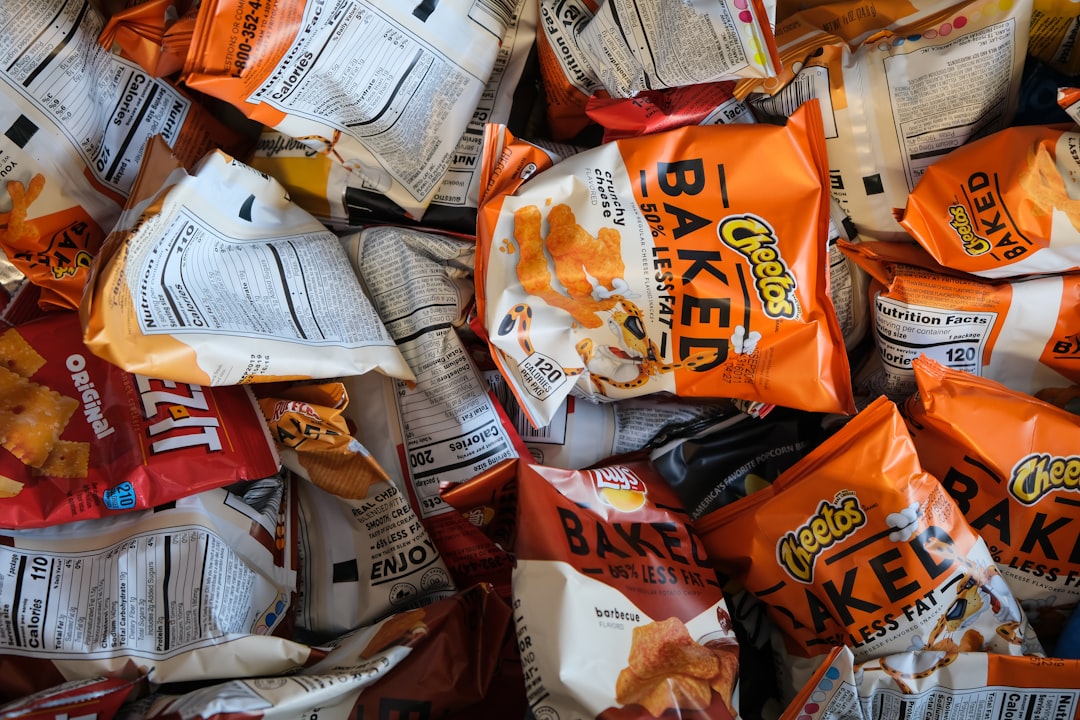
The FDA’s directive, which took effect immediately, restricts the sale of foods high in fat, sugar, and salt within school premises and a 50-meter radius. Popular items like vada pav, samosas, and fizzy drinks are being replaced with healthier alternatives such as idli, dosa, and chaas. This initiative is part of a broader effort to create a healthier food environment for children, as emphasized by Mundhe himself. According to reports from Gulf News, the changes are not merely cosmetic; they represent a fundamental shift in how schools approach nutrition.
Changes in School Canteen Offerings
The immediate impact of Mundhe’s directive is evident in several schools, especially those run by the Archdiocesan Board of Education. Reports indicate that traditional favorites like vada pav and samosas have been removed from menus, replaced by nutritious options such as poha, sheera, and upma. These changes reflect a significant shift in the food culture within schools, moving away from processed and unhealthy snacks. The Indian Express highlights that this transition is not just about food; it’s about instilling lifelong healthy eating habits in children.
Moreover, the directive not only bans certain foods but also encourages schools to include a variety of healthier choices in their menus. According to reports, schools are now focusing on providing more fruits, vegetables, whole grains, and dairy products. This shift is crucial as it aligns with dietary guidelines issued by the Indian Council of Medical Research (ICMR) and the National Institute of Nutrition (NIN), which advocate for balanced nutrition among children. The emphasis on whole foods is expected to enhance students’ overall health and academic performance, as proper nutrition has been linked to improved cognitive function.
As schools implement these changes, canteen managers are tasked with rethinking their offerings. This transition may pose challenges, particularly in terms of sourcing affordable, appealing, and nutritious food options that can compete with the previously popular junk food items. The ability of canteen managers to adapt their menus will be critical in ensuring compliance with the new regulations while still appealing to students. They are now exploring partnerships with local farmers and suppliers to provide fresh ingredients, which could also support local economies.
The ability of canteen managers to adapt their menus will be critical in ensuring compliance with the new regulations while still appealing to students.
You may also like
 Government & Policy
Environmental Compliance Challenges for Tech Giants
Finland has halted Google's data center projects due to environmental assessment concerns, impacting the tech giant's expansion plans in Europe and raising questions about compliance…
Read More →In addition to menu changes, the FDA’s directive also includes provisions for food safety and hygiene. Canteens must now display food safety information and ensure that all food served meets the required standards. This move is expected to enhance the overall food safety environment in schools, making it safer for students to consume meals on campus. The focus on hygiene is particularly timely, as it coincides with growing concerns about foodborne illnesses and the importance of maintaining a clean eating environment.
Impact on Canteen Managers and Nutritionists
The changes in Mumbai’s school canteens present both challenges and opportunities for canteen managers. With the removal of junk food, they must now find ways to create menus that are both healthy and appealing to students. This may involve experimenting with new recipes, sourcing fresh ingredients, and potentially increasing collaboration with local suppliers to ensure quality and affordability. The shift towards healthier options may also necessitate additional training for canteen staff to prepare and serve these new dishes effectively.
Nutritionists play a vital role in this transition. They can assist schools in developing menus that meet nutritional guidelines while also considering students’ preferences. By providing guidance on portion sizes, food combinations, and preparation methods, nutritionists can help canteen managers create meals that are not only healthy but also enjoyable for students. Their expertise is essential in navigating the complexities of dietary needs, especially in a diverse city like Mumbai where students come from various cultural backgrounds with different food preferences.
Moreover, the emphasis on healthier food options may lead to a shift in consumer behavior among students. As children are exposed to more nutritious choices, there is potential for them to develop better eating habits that could last a lifetime. This change could reduce the prevalence of childhood obesity and related health issues, aligning with broader public health goals. The positive impact of these changes may also extend beyond the school environment, influencing family eating habits as children bring home their newfound preferences.

Moreover, the emphasis on healthier food options may lead to a shift in consumer behavior among students.
However, the success of these initiatives will depend on ongoing support from parents and the community. Schools are also engaging parents to ensure that the food children bring from home aligns with the new guidelines. Parents are encouraged to avoid sending unhealthy snacks and instead pack nutritious lunches, reinforcing the message of healthy eating. Community involvement is crucial, as it fosters a supportive environment for children to make healthier choices.
You may also like
 Government & Policy
McDonalds sued over AI tool that recommends prices to US franchisees
Michael Thomas claims he noticed price discrepancies between nearby McDonald’s locations, attributing them to the company's AI pricing system.
Read More →The directive from the Maharashtra FDA is part of a larger trend towards improving child nutrition policies in India. As awareness of the health risks associated with junk food grows, there is increasing pressure on schools to provide healthier food options. This shift reflects a societal recognition of the importance of nutrition in child development and academic performance. Career Ahead analysis finds that this focus on healthier school meals may influence similar policies across other Indian states. As the success of Mumbai’s initiative becomes evident, other regions may adopt similar measures to promote better eating habits among children. This could lead to a nationwide shift in school canteen practices, ultimately benefiting children’s health across the country.
Furthermore, the emphasis on food safety and hygiene in schools could inspire broader discussions about food quality in other sectors, such as restaurants and food vendors. As schools set higher standards for food safety, it may create a ripple effect that encourages other food establishments to follow suit, enhancing public health overall. As the landscape of school meals continues to evolve, the question remains: will these changes be sustainable in the long term? Will schools be able to maintain a consistent supply of nutritious options that are affordable and appealing to students? The answers to these questions will shape the future of child nutrition in India.
Frequently Asked Questions
What healthier options should school canteen managers consider?
Canteen managers should focus on incorporating traditional Indian snacks that are nutritious, such as idli, dosa, poha, and upma. These options align with the new regulations and can be appealing to students.
Canteen managers need to innovate and market these new offerings effectively to maintain profitability.
How can nutritionists support schools in implementing these changes?
Nutritionists can help schools develop balanced menus that meet dietary guidelines. They can provide insights on portion sizes and food combinations to ensure meals are both healthy and enjoyable for students.
What are the implications of the junk food diktat for school canteen profitability?
The removal of junk food may initially impact profitability, but offering healthier options can attract more students in the long run. Canteen managers need to innovate and market these new offerings effectively to maintain profitability.
You may also like
 Government & Policy
South Africa’s Reserve Bank Surveys Firms to Guide Rate Policy
The Reserve Bank of South Africa has initiated surveys among firms to gather data that will inform its interest rate policy. This proactive approach aims…
Read More →