No products in the cart.

Leadership Shift at Brown University Disrupts Higher Education

Christina Paxson's resignation as Brown University President underscores the pressures faced by academic leaders in a politically charged environment. Her tenure, marked by a campus shooting and contentious negotiations with the Trump administration, raises critical questions about university governance and leadership strategies.

Providence, Rhode Island — Brown University President Christina Paxson announced her resignation on August 3, 2026. She served for a decade, facing many political and social challenges. Her decision follows a campus shooting that took two lives and ongoing scrutiny of her administration’s ties to the Trump administration. Paxson said stepping down was the right choice for her and her family. She emphasized the toll recent events have taken on her leadership.
Paxson’s resignation raises important questions about the future of university governance in a politically charged environment. She has led Brown longer than any current Ivy League president. Her leadership involved navigating complex negotiations with the federal government, especially regarding funding and policies that sparked campus protests. Her departure could signal shifts in how universities approach governance, safety, and leadership recruitment.
Political Pressures and Governance Challenges
In recent years, Paxson faced significant political pressures that tested her leadership. The university dealt with backlash over a settlement with the Trump administration. This settlement included a $50 million commitment to workforce development programs in Rhode Island. It came after the administration threatened to withhold $510 million in research funding, seen as punitive against elite institutions for their social stances, including responses to the Gaza conflict.
Career Ahead’s analysis shows that political negotiations in higher education have become more contentious. University leaders must balance academic integrity with political realities, often leading to tough compromises. The scrutiny Paxson faced reflects a trend where university presidents navigate both academic challenges and complex political landscapes.
The fallout from the settlement led to criticism from students and faculty. Many viewed it as a capitulation to an administration undermining academic freedom. This dissent highlights the need for effective governance and communication strategies for university leaders. Paxson’s challenges may serve as a case study for future presidents on the importance of transparent decision-making in politically sensitive situations.
The changing landscape of higher education governance requires future leaders to handle such pressures effectively.
Additionally, the recent campus shooting added complexity to her leadership. The incident resulted in two fatalities and several injuries, raising urgent questions about campus safety and emergency response protocols. As university leaders face similar issues, the need for strong crisis management strategies is clear. Paxson’s experience underscores the critical link between governance, safety, and community well-being in higher education.
You may also like
 Education & University Insights
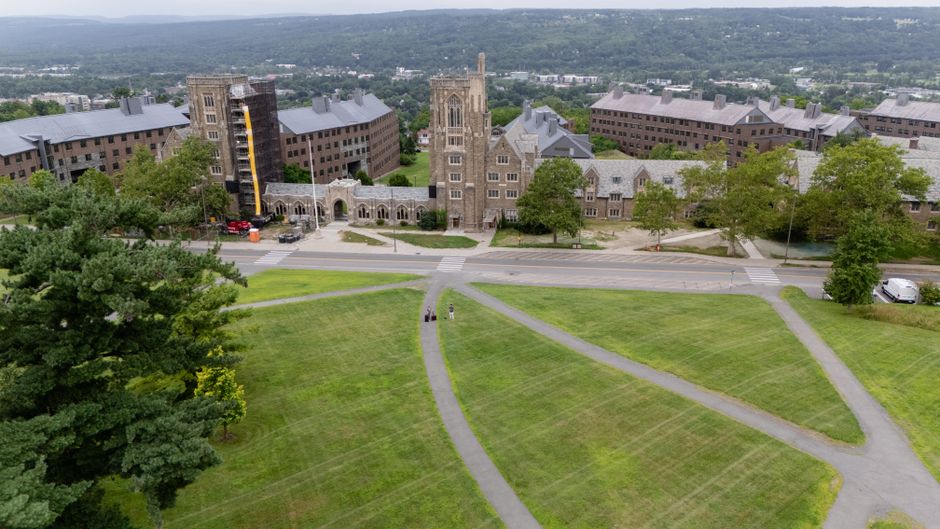
Cornell President Calls Rape Inquiry ‘Defining Moment’ for Campus | Career Outlook
Cornell University's president, Michael Kotlikoff, has labeled the ongoing rape inquiry a 'defining moment' for the institution, emphasizing the need for significant changes in campus…
Read More →The implications of these challenges extend beyond Brown University. Other institutions may view Paxson’s resignation as a cautionary tale about political entanglements. It emphasizes the need to maintain a focus on academic priorities. The changing landscape of higher education governance requires future leaders to handle such pressures effectively.
Shifts in Leadership Recruitment and Institutional Stability
The resignation of a university president can significantly affect institutional stability and leadership dynamics. As Brown University searches for a new president, the criteria for leadership may change in response to Paxson’s challenges. Career Ahead research suggests universities may prioritize candidates with experience in crisis management and political negotiation.
In light of Paxson’s experiences, search committees may seek leaders who can navigate modern governance complexities while fostering a safe and inclusive campus. This shift could lead to a new generation of university presidents skilled in both academic leadership and managing external pressures.
The broader implications for higher education are significant. Institutions may adopt proactive strategies in leadership recruitment, emphasizing diverse skill sets that include academic excellence and political acumen. As universities face challenges like funding constraints and societal expectations, adapting to these demands will be crucial for future leaders.

Institutions may adopt proactive strategies in leadership recruitment, emphasizing diverse skill sets that include academic excellence and political acumen.
Moreover, the search for Paxson’s successor may reflect a trend toward transparency and community engagement in leadership transitions. Universities may prioritize candidates committed to open dialogue with students and faculty. This ensures that the campus community’s voices are heard during changes. Such an approach could foster trust and collaboration, enhancing institutional stability.
You may also like
 Education & University Insights
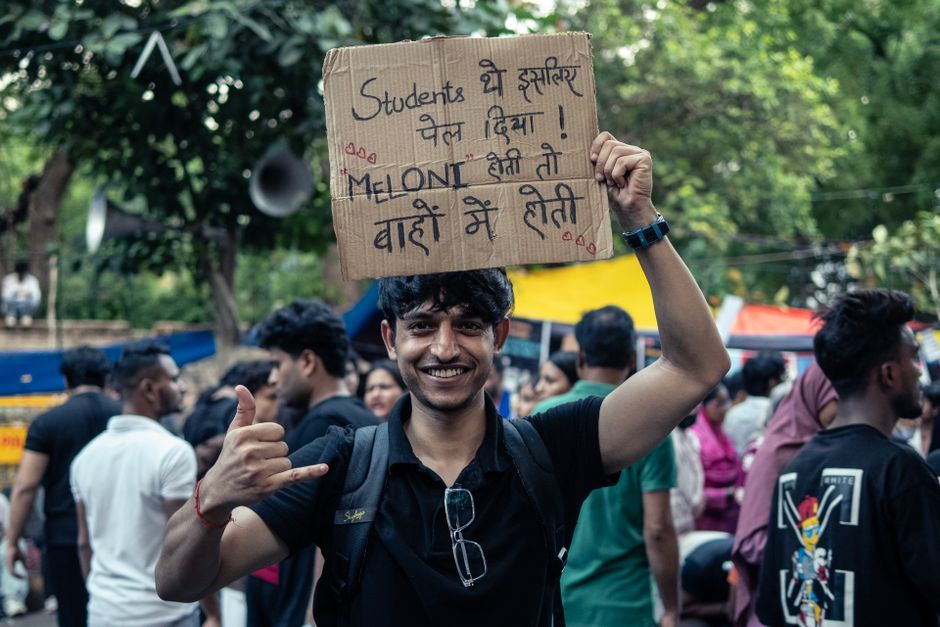
Ambedkar University Updates PhD Fellowship Guidelines
Ambedkar University has revised its PhD fellowship guidelines, easing attendance requirements following significant student protests. The changes reflect a growing trend in higher education where…
Read More →As Brown University prepares for this leadership transition, other institutions will be watching closely. The outcome of this search may set precedents for how universities handle governance and leadership in a complex political landscape.
In summary, Christina Paxson’s resignation from Brown University highlights the pressures on university leaders to balance academic integrity with political realities. The implications for governance, safety, and leadership recruitment are profound as institutions navigate an evolving landscape.
As universities face ongoing scrutiny and societal expectations, the question remains: how will they adapt their leadership strategies to ensure stability and success in the future?
Frequently Asked Questions
What challenges do university presidents face in today’s political climate?
University presidents today face significant challenges. They must navigate political pressures, manage campus safety concerns, and address community dissent. Leaders need to balance academic integrity with external expectations in a politically charged environment.
They should develop clear succession plans and prioritize candidates with crisis management and political negotiation experience.
How can higher education administrators prepare for leadership transitions?
Higher education administrators can prepare for leadership transitions by fostering open communication with stakeholders. They should develop clear succession plans and prioritize candidates with crisis management and political negotiation experience. These strategies help ensure smooth transitions and maintain institutional stability.
What strategies should university leaders implement to enhance campus safety?
You may also like
 Education & University Insights
Cornell University Faces Nightlife Challenges Amid Recent Turmoil
Cornell University is grappling with a decline in student nightlife and social engagement following serious allegations on campus. This shift not only affects student life…
Read More →University leaders should implement comprehensive safety protocols. This includes regular training for staff and students, emergency response drills, and collaboration with local law enforcement. Enhancing communication and transparency around safety measures can build trust within the campus community.