No products in the cart.

Ambedkar University Updates PhD Fellowship Guidelines
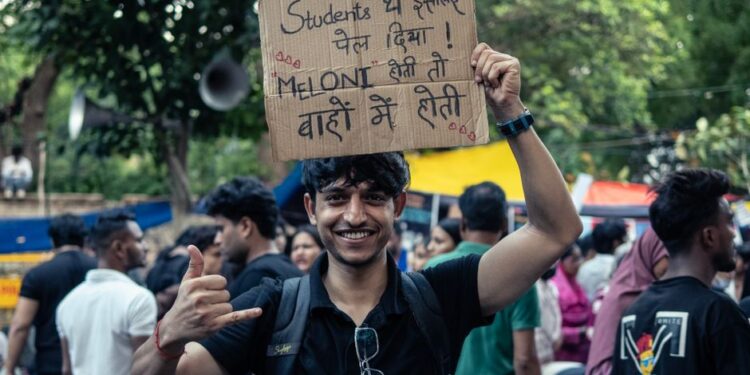
Ambedkar University has revised its PhD fellowship guidelines, easing attendance requirements following significant student protests. The changes reflect a growing trend in higher education where student voices are increasingly shaping academic policies.

New Delhi, India — Ambedkar University has updated its guidelines for PhD scholars receiving fellowships. The new rules, announced on September 30, 2026, ease attendance requirements that had led to significant student protests. These changes aim to provide more flexibility while ensuring academic engagement. The decision follows a week of protests by students who were concerned about the previous restrictions.
The earlier guidelines, issued on July 31, made attendance mandatory for full-time PhD scholars. This requirement raised fears that it would hinder their research activities. Students argued that such restrictions pressured their academic freedom and ability to conduct essential research. The protests highlighted the tension between university policies and student needs in a demanding academic environment. According to The Indian Express, many students described the attendance rules as an “iron cage” that stifled their academic pursuits.
Revised Guidelines and Their Implications
The revised guidelines now require PhD scholars to attend coursework and seminars while allowing for more flexibility in attendance records. Attendance will be monitored by the research supervisor and program coordinator, with oversight from the dean of the relevant school. This change aims to balance necessary academic engagement with the freedom to pursue research interests without excessive constraints. The university administration emphasized that the guidelines are meant to strengthen the research ecosystem and enhance participation in academic activities.
Career Ahead’s analysis shows that these revisions respond to student activism and reflect a broader trend in higher education governance. Universities worldwide are increasingly recognizing the importance of student voices in shaping academic policies. The protests at Ambedkar University are not isolated incidents; they reflect a growing movement among students advocating for more participatory governance in educational institutions. The Economic Times noted that the university’s decision to revise the guidelines was a direct response to the sustained protests, showing a willingness to listen to student concerns.
Career Ahead’s analysis shows that these revisions respond to student activism and reflect a broader trend in higher education governance.
With these changes, PhD scholars at Ambedkar University may find a more supportive environment that recognizes the challenges of balancing coursework and research. This shift could encourage more scholars to pursue their academic goals without fearing punitive attendance measures. However, the effectiveness of these revisions will depend on the administration’s commitment to ongoing dialogue with students. The university’s willingness to adapt its policies based on student feedback may serve as a model for other institutions facing similar challenges.
Wider Implications for Higher Education
The situation at Ambedkar University reflects broader trends in higher education. Student protests are increasingly influencing policy changes across various institutions. As students become more vocal about their rights and needs, universities may face greater pressure to revise outdated policies. The protests at Ambedkar University are part of a larger narrative across India, where students advocate for more transparent governance and better support systems in higher education.
You may also like
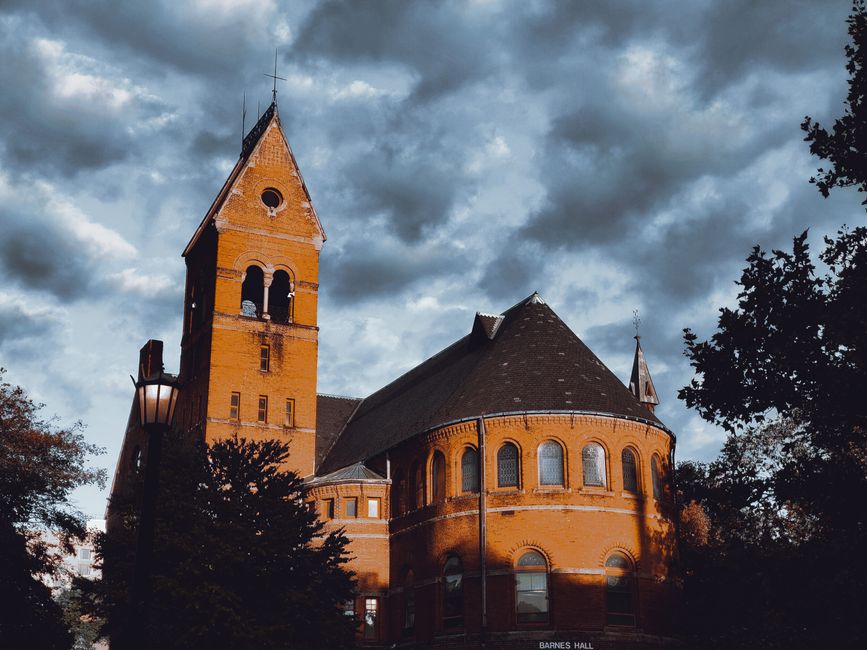 Education & University Insights
Cornell University Faces Nightlife Challenges Amid Recent Turmoil
Cornell University is grappling with a decline in student nightlife and social engagement following serious allegations on campus. This shift not only affects student life…
Read More →Similar protests have occurred at various institutions across India, indicating a shift in power dynamics within academic institutions. Students are demanding a more significant role in decision-making processes, which could lead to more inclusive and responsive educational environments. As highlighted by the Economic Times, the revised attendance guidelines at Ambedkar University could set a precedent for other institutions facing similar challenges, showcasing the importance of student engagement in policy formulation.
Moreover, the revised attendance guidelines at Ambedkar University could influence other institutions facing similar challenges. As universities strive to balance academic rigor and student well-being, they may look to Ambedkar University as a model for integrating student feedback into policy development. This could lead to a more supportive academic climate overall. The ongoing dialogue between students and administration at Ambedkar University will be crucial in shaping the future of its academic environment.
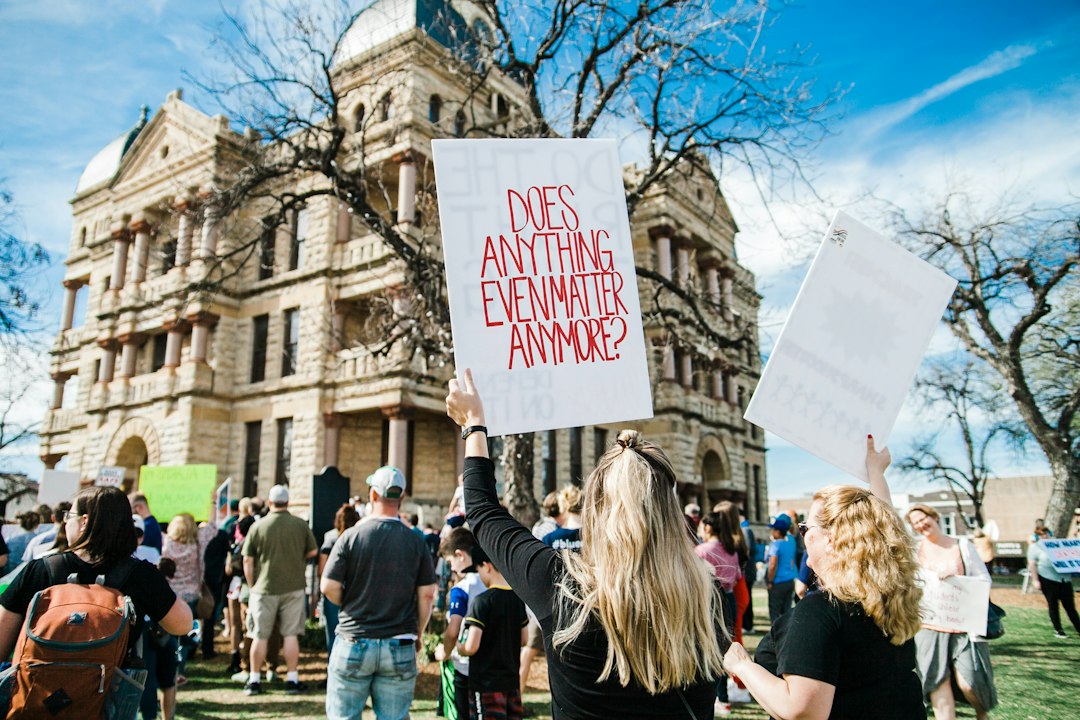
As higher education continues to evolve, institutions must remain flexible and responsive to student needs. The changes at Ambedkar University remind us that student voices matter. Active engagement can lead to significant policy shifts. The administration’s approach to these revisions may improve the academic experience for current scholars and attract prospective students who value a responsive and inclusive educational environment.
As higher education continues to evolve, institutions must remain flexible and responsive to student needs.
Frequently Asked Questions
What are the new guidelines for PhD fellowships at Ambedkar University?
The revised guidelines require PhD scholars to attend coursework and seminars while allowing greater flexibility in attendance records. This change follows student protests against earlier mandatory attendance rules.
How will attendance requirements affect my PhD fellowship?
The new attendance requirements aim to support academic engagement without imposing strict limits on research activities. Scholars can expect a more balanced approach to attendance that considers their research commitments.
What should PhD scholars do if they disagree with the new attendance policies?
You may also like
 Education & University Insights
Inside the Enrollment Cliff Hitting US Colleges
US colleges are facing a dramatic decline in enrollment numbers, a trend that has been accelerating since 2022. This decline poses significant challenges for institutions,…
Read More →If PhD scholars have concerns about the new policies, they should engage in dialogue with university administration. Active participation in discussions about academic policies can help ensure that student needs are addressed.