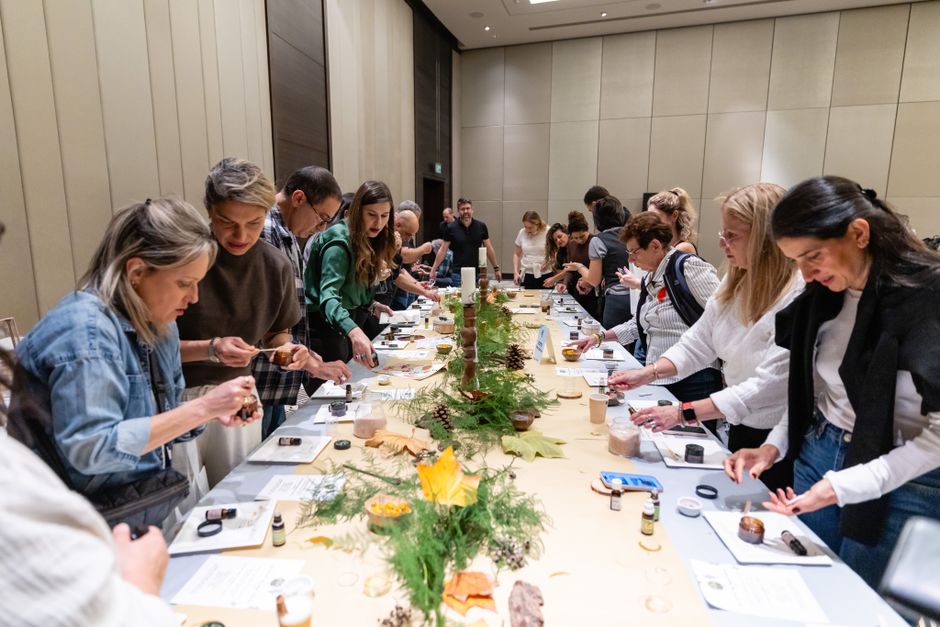
Liberty has significantly expanded its fabrics section by 140%, introducing craft classes this autumn to meet the rising demand for sewing skills. This move comes as fabric sales at the iconic department store increased by 11% last year, reflecting a broader trend in the crafting community.
The newly enlarged fabrics department now spans 4,630 square feet and features over 2,500 different fabrics, supported by a team of 17 specialist salespeople. This strategic expansion aims to cater to a diverse customer base, ranging from young beginners to seasoned crafters looking for high-quality materials. The expansion not only enhances the shopping experience but also positions Liberty as a leader in the retail fabric market, particularly in the face of increasing competition from online retailers.
Growing Demand for Sewing Skills
The surge in interest in sewing and crafting has been fueled by social media platforms like TikTok and Instagram, where DIY videos and tutorials have inspired a new generation of crafters. Liberty’s retail managing director, Lydia King, noted that the trend is not limited to a specific age group; it encompasses a wide demographic, with many young people eager to learn sewing skills. This observation aligns with recent research from the Crafts Council, which indicates that craft participation among UK adults has increased from 15% to 20% in just a few years. The Crafts Council’s findings highlight a significant cultural shift, as more individuals seek to engage in creative activities that allow for personal expression and originality.
Moreover, the rise of online marketplaces like Etsy has created additional avenues for crafters to sell their handmade items, further fueling interest in sewing and crafting. As people become more conscious of sustainability, the desire to upcycle and personalize secondhand clothing has also contributed to this crafting renaissance. The increase in fabric sales at Liberty reflects this trend, as consumers are increasingly looking for unique materials to express their individuality in their projects.
Career Ahead analysis finds that this trend towards DIY and crafting is creating new roles in retail that combine teaching and sales. As fabric store managers explore ways to enhance their inventory, the demand for sewing instructors is expected to rise, creating job opportunities in this sector. The introduction of craft classes at Liberty is a direct response to this demand, providing a platform for aspiring crafters to learn from experienced instructors while fostering a sense of community.
Liberty’s decision to host workshops in its newly expanded haberdashery area aligns with this trend, as it aims to elevate the customer experience by providing hands-on learning opportunities.
Liberty’s decision to host workshops in its newly expanded haberdashery area aligns with this trend, as it aims to elevate the customer experience by providing hands-on learning opportunities. This approach not only engages customers but also fosters a sense of community among crafters. As noted in a recent article from The Guardian, Liberty’s expansion reflects a growing recognition of the importance of experiential retail, where customers seek more than just products; they desire connections and experiences that enrich their lives.
 Industry & Global Trends
Paytm, Mobikwik, Pine Labs Shares Plunge Amid UPI MDR Delay
Shares of Paytm, Mobikwik, and Pine Labs have seen a significant drop due to concerns over the delay in the UPI Merchant Discount Rate policy.…
Read More →Implications for Fabric Store Managers and Sewing Instructors
For fabric store managers, Liberty’s expansion serves as a case study in how to effectively respond to changing consumer interests. By diversifying inventory to include popular sewing materials and offering classes, managers can attract a broader customer base. This proactive approach can help increase foot traffic and sales, ultimately benefiting the business. The Guardian emphasizes that Liberty’s strategy is not merely about expanding physical space; it is about creating a vibrant environment that encourages creativity and learning.
Moreover, fabric store managers can leverage the current trend by collaborating with local sewing instructors to offer classes that cater to various skill levels. This partnership can enhance the store’s reputation as a community hub for creativity and learning, further solidifying customer loyalty. The synergy between fabric stores and sewing instructors is crucial, as it allows for a richer educational experience for customers and fosters a collaborative spirit within the crafting community.
Sewing instructors, on the other hand, stand to benefit from the growing demand for their expertise. As more individuals seek to learn sewing skills, instructors can position themselves as valuable resources within the community. This demand presents opportunities for instructors to expand their offerings, whether through in-person classes at fabric stores or online tutorials. The rise of social media has enabled sewing instructors to reach a wider audience, allowing them to showcase their skills and attract potential students. By building a strong online presence, instructors can capitalize on the growing interest in sewing and crafting, creating a sustainable business model that thrives on community engagement.

The rise of social media has enabled sewing instructors to reach a wider audience, allowing them to showcase their skills and attract potential students.
As the sewing boom continues, it is crucial for fabric store managers and sewing instructors to stay attuned to market trends and customer preferences. By adapting their strategies to meet the evolving needs of crafters, they can position themselves for success in this dynamic retail landscape. The ongoing transformation in the crafting industry underscores the importance of innovation and adaptability in retail, as businesses must continually evolve to meet the desires of their customers.
The introduction of craft classes at Liberty highlights the importance of community engagement in the retail sector. By offering workshops and classes, fabric stores can create a welcoming environment that encourages customers to connect with one another and share their passion for crafting. These classes not only provide valuable skills but also foster a sense of belonging among participants. As individuals come together to learn and create, they build relationships that extend beyond the classroom, enhancing the overall customer experience.
 Industry & Global Trends
Oil and Gas Prices Surge Amid Middle East Shipping Attacks
The attacks in the Strait of Hormuz have triggered a significant rise in oil prices, impacting bond yields and stock markets globally.
Read More →Furthermore, community engagement through craft classes can lead to increased brand loyalty. Customers who feel connected to a store and its community are more likely to return and recommend it to others. This word-of-mouth marketing can be invaluable for fabric stores looking to grow their customer base. Career Ahead’s research indicates that as community engagement initiatives increase, fabric stores can expect to see a positive impact on sales and customer retention. By investing in workshops and classes, stores can not only boost their bottom line but also contribute to the revitalization of local crafting culture.
In conclusion, Liberty’s expansion and introduction of craft classes signal a significant shift in the retail landscape. As the demand for sewing skills continues to rise, fabric store managers and sewing instructors must adapt to meet the evolving needs of their customers, paving the way for a vibrant future in the crafting community.
Frequently Asked Questions
How can fabric store managers attract more customers through classes?
Fabric store managers can attract more customers by offering a variety of craft classes that cater to different skill levels. Collaborating with local instructors and promoting these classes through social media can also enhance visibility and engagement.
Sewing instructors in retail environments should possess strong communication skills, patience, and the ability to adapt teaching methods to suit various learning styles.
What skills are essential for sewing instructors in retail environments?
Sewing instructors in retail environments should possess strong communication skills, patience, and the ability to adapt teaching methods to suit various learning styles. Additionally, having a good understanding of fabric types and sewing techniques is crucial.

What trends are driving the sewing boom in retail?
The sewing boom is driven by factors such as increased interest in DIY projects, the popularity of social media platforms showcasing crafting, and a growing emphasis on sustainability and personalization in fashion. These trends are encouraging more people to engage in sewing and crafting activities.
 Industry & Global Trends
Fed Signals Flexibility in Rate-Hike Timing Amid Inflation Concerns
The Federal Reserve's recent comments on rate-hike flexibility signal potential shifts in monetary policy that could reshape investment strategies for financial analysts and investment managers.…
Read More →Written by Career Ahead AI. AI can make mistakes, so verify key facts. Report errors to support@careeraheadonline.com.