No products in the cart.

LPG Price Hike: Balancing Consumer Needs and Oil Company Finances
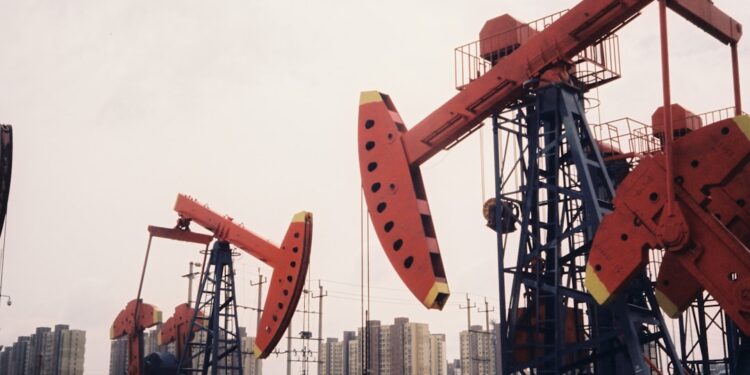
The Indian government raises LPG prices to Rs 913 to manage costs while protecting consumer interests. Petrol and diesel prices remain stable.


“`html
Why LPG Prices Are Rising
This year, conflicts in West Asia affected the Indian energy market, causing international liquefied petroleum gas (LPG) prices to rise sharply. As a result, public-sector oil companies like Indian Oil Corporation (IOC), Bharat Petroleum Corporation (BPCL), and Hindustan Petroleum Corporation (HPCL) have been selling domestic LPG at a loss for over a year to keep it affordable for more than 330 million users.
Government sources revealed that the decision to increase the retail price of a 14.2-kg cylinder by Rs 60, bringing the price in Delhi to Rs 913, was a necessary response to this pressure. This hike is not a full pass-through of global costs; it aims to balance the need to protect family budgets and maintain the financial health of the oil companies that manage the subsidy burden.
Calculations showed that without any price adjustment, the increase would have been about Rs 134 per cylinder. The government’s Rs 60 hike is a compromise, leaving a gap that the oil companies will continue to absorb. This move indicates that authorities do not want the subsidy system to become a permanent financial drain, especially with ongoing conflicts in West Asia.
Effects on Households and the Ujjwala Scheme
The price change will impact monthly expenses for Indian families. A typical household that refills its cylinder every two months will now spend an extra Rs 120. While this may seem small, it adds up for low-income families already managing tight budgets.
The Ujjwala scheme, which offers a Rs 300 cash subsidy per cylinder to eligible families, helps ease the burden. Beneficiaries will effectively pay Rs 613 for the 14.2-kg cylinder, still lower than prices in Pakistan, Sri Lanka, and Nepal. However, the subsidy does not cover the full Rs 60 increase, meaning even subsidized families will feel the impact.
This is the second price increase in eleven months, affecting household budgets. Small traders report more inquiries about alternative fuels, and some urban renters are reconsidering LPG versus electric induction cooktops, especially where electricity costs are stable.
You may also like
 Government & Policy
IRDAI Commission Cuts Impact Insurance Agents, Brokers
IRDAI's proposed commission cuts could reshape the insurance landscape, impacting earnings for agents and altering client acquisition strategies for brokers. Adaptability will be key in…
Read More →The price rise also has symbolic significance. The Ujjwala program has been praised for promoting women’s empowerment and improving health by replacing traditional biomass with clean gas. If LPG becomes less affordable, it could undermine these social gains.
Wider Implications for Fuel Pricing in India
The price of commercial LPG, used by restaurants and hotels, increased by Rs 114.5 per 19-kg cylinder, raising the price in Delhi to Rs 1,883. This larger increase reflects the commercial sector’s greater exposure to international price changes, as they pay market rates without household subsidies.
Despite these price adjustments, officials state that petrol and diesel prices will remain stable for now. The oil companies are financially strong enough to handle global price fluctuations in motor fuels. Their solid balance sheets allow the government to separate the two fuel categories and prevent widespread price hikes that could lead to inflation.
This decision highlights a shift in India’s energy pricing strategy. By allowing a controlled increase in LPG prices while keeping motor fuel prices steady, policymakers are managing risks. This approach helps maintain food price stability, as cooking fuel directly impacts food costs, while also addressing transport-related price pressures.
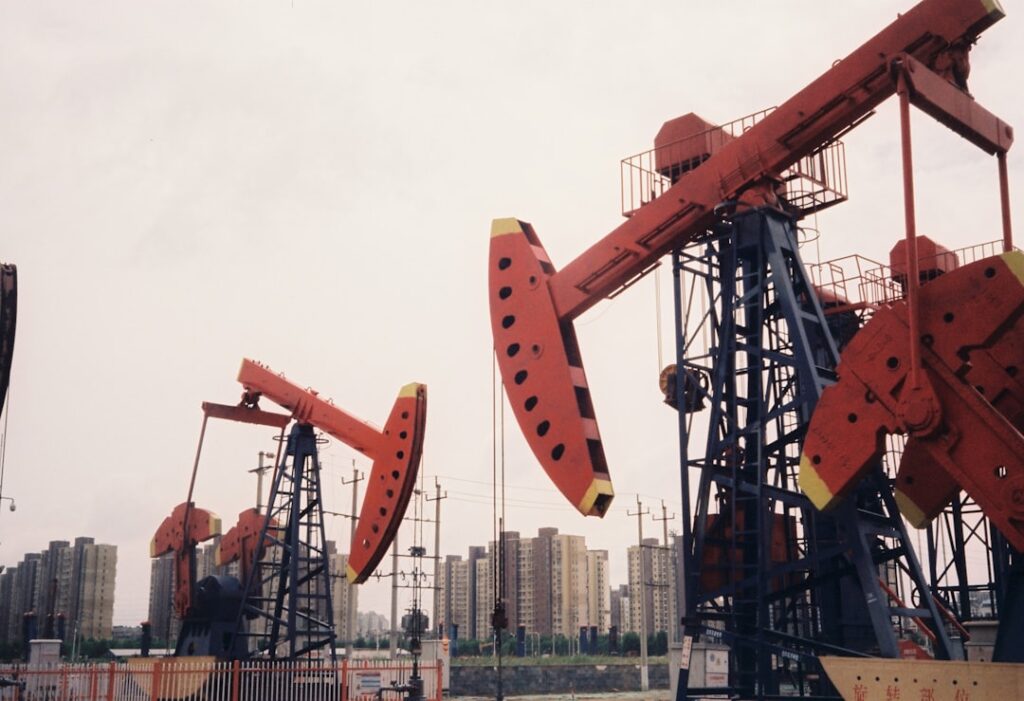
Stock levels are also crucial. The government has assured that fuel inventories are sufficient, aiming to prevent panic buying. The oil companies maintain buffer stocks above the minimum safety levels set by the Ministry of Petroleum and Natural Gas, ensuring supply disruptions are unlikely despite global market volatility.
Regionally, India’s LPG pricing remains lower than in South Asia. Even after the Rs 60 increase, domestic rates are still below those in Pakistan, Sri Lanka, and Nepal. This pricing strategy aims to support the adoption of clean fuel across a diverse population.
The Long-Term Outlook
You may also like
Google Pauses Finland Datacentre Projects Amid Concerns
Google's datacenter projects in Finland have been halted due to environmental concerns, raising questions about the ecological impact of tech infrastructure globally. This situation reflects…
Read More →Looking ahead, Indian households face a balancing act between financial stability and social equity. If conflicts in West Asia continue, further LPG price adjustments may be necessary, pushing subsidized prices closer to market levels. Meanwhile, the oil companies’ ability to keep petrol and diesel prices stable provides a valuable window for policymakers to seek long-term solutions, such as expanding renewable cooking alternatives or restructuring subsidies.
For millions relying on LPG, the Rs 60 increase serves as a reminder of how global events can affect daily life. However, the measured nature of the hike, continued support from the Ujjwala scheme, and assurances of sufficient fuel stocks indicate a policy approach focused on both everyday needs and navigating international market challenges.
“`