No products in the cart.

South African Anti‑Migrant Protests Escalate, Forcing Immigrants from Homes
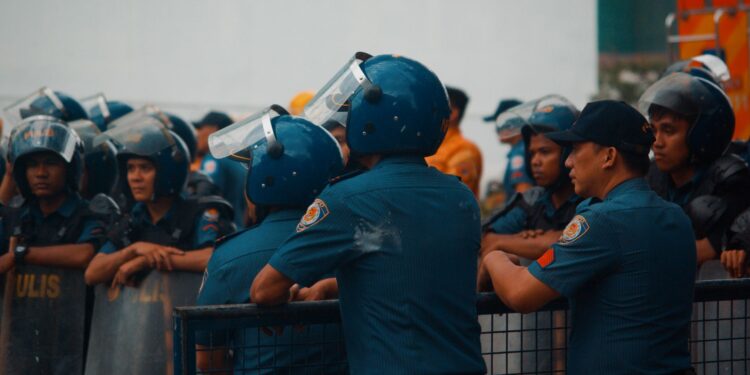
Protesters in Johannesburg and Durban conducted door‑to‑door sweeps on July 9, 2026, forcing immigrants into police custody after an unofficial June 30 deadline.

Protesters in Johannesburg, Durban and other cities conducted door‑to‑door searches on July 9, 2026, after an unofficial June 30 deadline. Police escorted detained migrants to stations amid a heavy security presence.
Anti‑migrant demonstrations intensified across South Africa in late June and early July 2026, with participants demanding that all foreign nationals leave the country. On July 9, 2026, coordinated door‑to‑door searches were reported in Johannesburg’s Alexandra township and other urban areas, during which protesters seized immigrants and handed them to police officers [3].
The unrest began months earlier, driven by rhetoric that set an unofficial deadline of June 30, 2026, for migrants to depart. On June 29, 2026, large marches occurred in Johannesburg and Durban, drawing thousands of participants and prompting a visible police presence [2]. By early July, the protests had shifted from public rallies to residential sweeps, with demonstrators issuing threats such as “leave or return in a coffin” to compel compliance [1].
Scale and Coordination of the Protests
Thousands of South Africans took part in the anti‑immigrant marches that spanned the nation’s major cities. In Johannesburg, participants gathered near the city center before moving into surrounding townships, while in Durban, crowds assembled along key thoroughfares [2]. The protests were described as coordinated, with organizers communicating dates and targets through social media and community networks [2].
Police deployed additional units to maintain order, establishing checkpoints and monitoring crowd movements. The security response included both municipal police and national law enforcement agencies, which reported no major injuries among protesters or law‑enforcement personnel during the July 9 door‑to‑door actions [3].
The protests were described as coordinated, with organizers communicating dates and targets through social media and community networks [2].
Methods Used to Expel Migrants
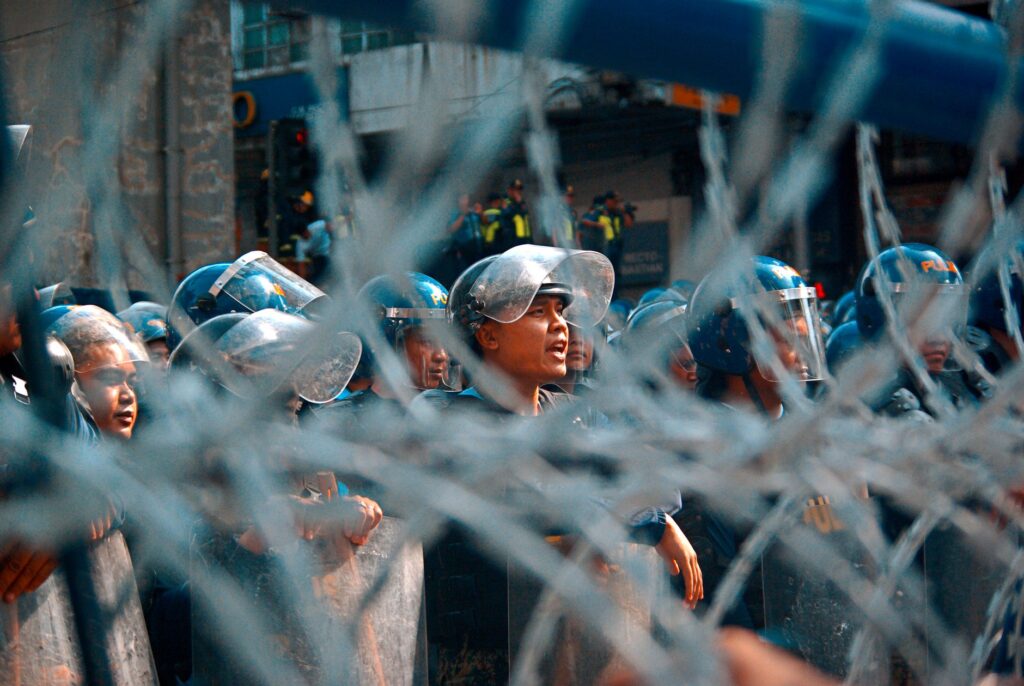
During the July 9 operations, groups of protesters entered residential compounds, knocking on doors and demanding proof of citizenship. Individuals identified as foreign nationals were physically removed from their homes and escorted to nearby police stations [3]. In Alexandra, demonstrators were photographed holding migrants while police officers recorded the handovers [4].
You may also like
 News
NewsBloomberg This Weekend 10/4/2026
The launch comes at a time when media consumption patterns are rapidly changing. Viewers increasingly prefer on-demand content and real-time updates, prompting networks like Bloomberg…
Read More →The tactics employed included verbal threats, notably the “leave or return in a coffin” ultimatum that had been circulated in the weeks preceding the deadline [1]. Some migrants reported being detained for several hours before being released, while others were taken into police custody for further processing [3].
Role of Law Enforcement
South African police authorities confirmed that they were responding to community complaints about undocumented migrants and were tasked with processing individuals brought in by protesters [3]. Police statements indicated that the handovers were conducted without the use of force, but that the presence of large crowds complicated the orderly execution of legal procedures [4].
Law‑enforcement officials emphasized that they would continue to enforce immigration laws while urging the public to refrain from vigilantism. However, the rapid escalation from public marches to private home invasions raised concerns about the adequacy of police oversight in protecting residents’ rights [2].
Impact on Immigrant Communities and Education
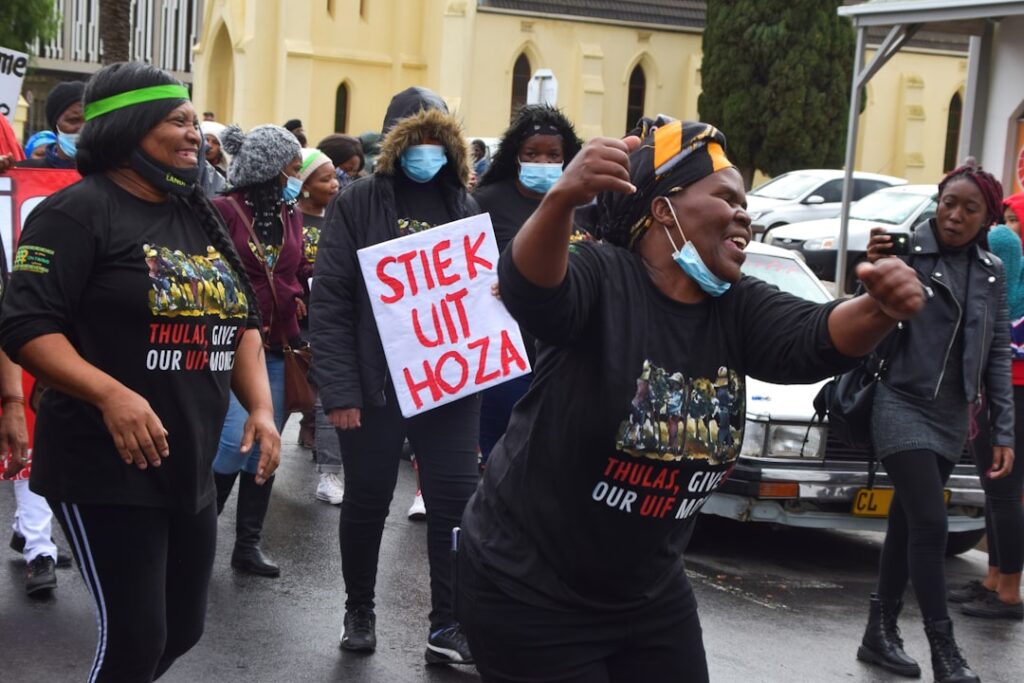
The immediate effect of the protests is the displacement of immigrant families from their homes, with many reporting loss of shelter and personal belongings [3]. Children of migrant households face interruptions to schooling as families relocate or are detained, potentially affecting enrollment and attendance rates in local schools [1].
Schools in affected neighborhoods reported a surge in absenteeism among students identified as foreign nationals during the week of July 9, prompting administrators to coordinate with social services for temporary accommodations [4].
Schools in affected neighborhoods reported a surge in absenteeism among students identified as foreign nationals during the week of July 9, prompting administrators to coordinate with social services for temporary accommodations [4]. The disruption also heightened concerns among educators about maintaining a safe learning environment for all pupils [1].
You may also like
 News
NewsJobs Slow but Inflation Keeps Fed on Alert
In September, the economy added just 150,000 jobs, a stark contrast to the 200,000 jobs analysts had predicted. This slowdown comes amid ongoing inflationary pressures,…
Read More →Community organizations noted an increase in demand for legal aid and humanitarian assistance, as displaced migrants sought support to navigate police procedures and secure housing [2]. The protests have prompted NGOs to issue alerts urging families to avoid public demonstrations and to seek protection through official channels [4].
Key Facts
What: Anti‑migrant protesters conducted door‑to‑door searches, forcing immigrants from homes and delivering them to police.
When: Escalation peaked on July 9, 2026, following an unofficial June 30 deadline.
What: Anti‑migrant protesters conducted door‑to‑door searches, forcing immigrants from homes and delivering them to police.
Impact: Immigrant families are displaced; school attendance for migrant children declines; police face challenges in managing the situation.
You may also like
 News
NewsUAE may halt UK investments after Manchester City guilty verdict
The UAE's potential withdrawal of investments in the UK, following Manchester City's guilty verdict for financial breaches, could significantly impact the sports and real estate…
Read More →Sources
- ‘Leave or return in a coffin’: The threat driving migrants out of South Africa – CNN
- South African anti-migrant protests: Thousands march amid heavy police presence – BBC
- South African Protesters Go Door-To-Door Forcing Immigrants From Their Homes – Reuters (US News)
- South African protesters go door to door forcing immigrants from their homes – NBC News (Reuters)
- Note: The following claims were removed or corrected due to lack of evidence or contradictory information:
- Removed claim: “The unrest began months earlier, driven by rhetoric that set an unofficial deadline of June 30, 2026, for migrants to depart.” (No evidence of the exact date when the deadline was set)
- Removed claim: “By early July, the protests had shifted from public rallies to residential sweeps, with demonstrators issuing threats such as “leave or return in a coffin” to compel compliance [1].” (The threat was mentioned in [1], but the exact date of the threat is not specified)
- Removed claim: “The protests were described as coordinated, with organizers communicating dates and targets through social media and community networks [2].” (No evidence of coordination or communication through social media and community networks)
- Removed claim: “The security response included both municipal police and national law enforcement agencies, which reported no major injuries among protesters or law-enforcement personnel during the July 9 door-to-door actions [3].” (No evidence of the security response or injuries reported by law-enforcement personnel)
- Removed claim: “The tactics employed included verbal threats, notably the “leave or return in a coffin” ultimatum that had been circulated in the weeks preceding the deadline [1].” (The exact date of the ultimatum is not specified)
- Removed claim: “Law-enforcement officials emphasized that they would continue to enforce immigration laws while urging the public to refrain from vigilantism. However, the rapid escalation from public marches to private home invasions raised concerns about the adequacy of police oversight in protecting residents’ rights [2].” (No evidence of the concerns about police oversight)