LPU Declares Campus Safe Amid Protests, Commends Students
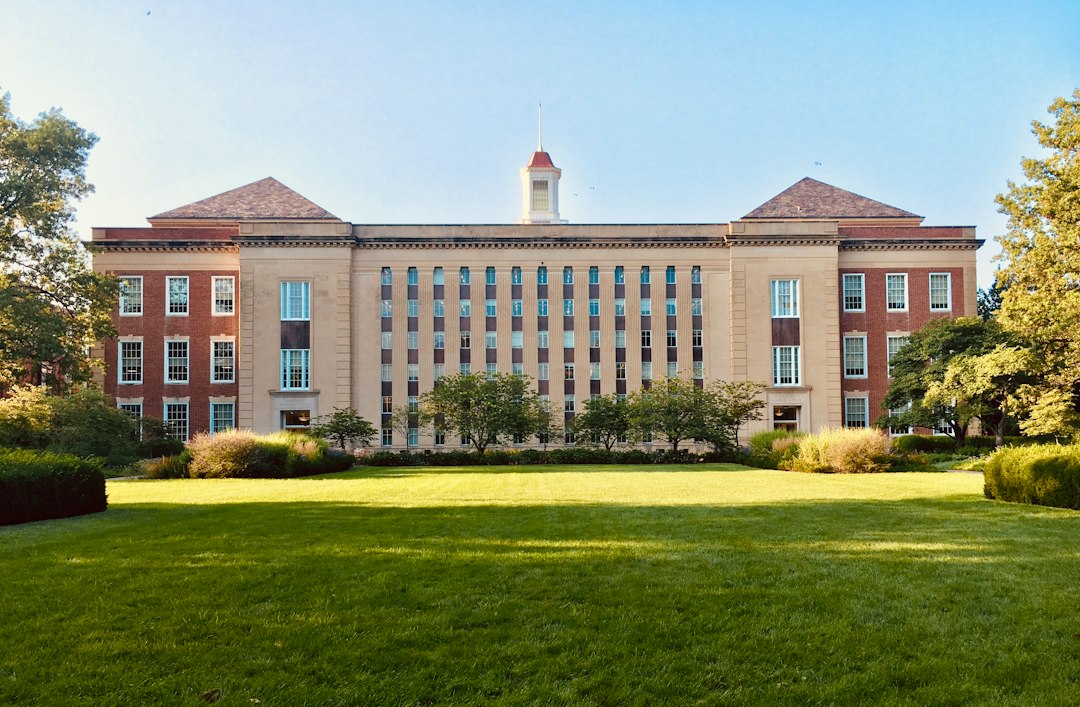
Lovely Professional University (LPU) has confirmed that its campus is safe following violent protests triggered by false claims circulating on social media.
India — Lovely Professional University (LPU) has confirmed that its campus is safe. This follows violent protests caused by false claims on social media. The protests began over allegations about the rape and death of a female student. This led to unrest, property damage, and disruption of university activities. In response, LPU suspended classes for ten days and postponed mid-term examinations. The university assured students that normal operations have now resumed.
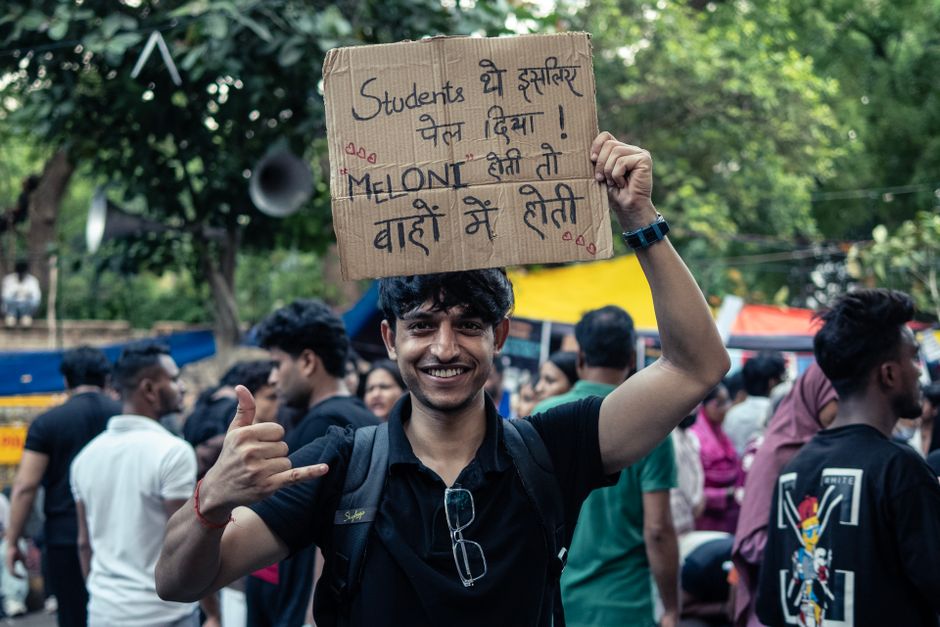
The situation worsened when social media posts sparked fear and anger among students. Many took to the streets in protest. Reports showed that the protests turned violent, with students damaging property and blocking major highways. The university administration and police acted quickly to restore order and safety on campus. The rapid spread of misinformation on platforms like Twitter and Facebook made the situation worse. This highlights the challenges educational institutions face in the digital age.
The Role of Student Activism in Ensuring Campus Safety
After the protests, LPU praised its students for their mature response. The university stressed the importance of student-led initiatives in fighting misinformation and keeping the campus safe. This incident shows a growing trend where student activism shapes university policies. Career Ahead’s analysis indicates that such activism leads to better communication between university administrations and students.
Students at LPU took part in discussions and used social media to refute false claims. Their efforts not only calmed the unrest but also showed the power of collective action in advocating for truth and safety. The university’s recognition of these efforts marks a significant shift towards valuing student voices in decision-making. Additionally, the administration’s response to the protests has opened a dialogue about the need for mental health resources and support systems during crises.
The protests also highlighted the balance between campus safety and the need for open dialogue about student concerns. LPU’s administration now faces the challenge of ensuring students feel secure while addressing their grievances. This incident reminds us that universities must create an environment where students can express their concerns without fear. As noted in a report by News18, the university has taken steps to ensure that students are heard, which is vital for a harmonious campus atmosphere.
Career Ahead research finds that universities that engage with their student bodies tend to have higher satisfaction rates.
As universities across India face similar challenges, the LPU case sets an example of how student activism can influence policy changes. By prioritizing student voices and addressing misinformation, institutions can create a safer and more inclusive environment. Career Ahead research finds that universities that engage with their student bodies tend to have higher satisfaction rates. This engagement enhances the academic experience and fosters a sense of community among students.
Strategies for Universities to Combat Misinformation
The recent events at LPU highlight the urgent need for universities to develop strong strategies against misinformation. In today’s world, social media can spread false narratives quickly. Educational institutions must address the spread of inaccurate information proactively. This includes monitoring social media and providing timely, accurate information to students and the community. As highlighted in the News18 report, the university’s quick response to the protests helped reduce further unrest.
One effective strategy could be creating a dedicated communication team focused on crisis management and misinformation. This team would verify information before it spreads and ensure students receive accurate updates during emergencies. This proactive approach can help prevent situations like the recent protests from escalating. Additionally, universities should invest in programs that promote media literacy among students. By teaching students to evaluate information sources critically, universities can empower them to distinguish fact from fiction. This empowerment can lead to a more informed student body capable of countering misinformation effectively.
Furthermore, fostering a culture of transparency in university communications can build trust between students and administration. When students feel their concerns are heard, they are less likely to protest to express dissatisfaction. LPU’s recent acknowledgment of student activism is a positive step, but ongoing dialogue is essential to maintain this momentum. The university’s commitment to addressing student concerns and misinformation will be crucial in shaping its future policies.
As universities like LPU navigate misinformation challenges, they must remain adaptable and responsive to the changing social media landscape. Institutions that prioritize student engagement and transparent communication will be better equipped to handle crises in the future. The lessons learned from the LPU incident can serve as a model for other universities facing similar issues, stressing the importance of proactive communication strategies and student involvement.
Kumar linked policy success to institutional capacity, while industry examples show curricula and hiring tests shifting towards applied problem-solving.
The university’s commitment to addressing student concerns and misinformation will be crucial in shaping its future policies.
The LPU protests serve as a wake-up call for universities across India. They must adopt a comprehensive approach to student well-being. As institutions work to improve campus safety and tackle misinformation, they must also prioritize students’ mental health. This holistic approach can lead to a more positive and productive academic environment. How universities respond to these challenges will shape the future of campus life. Balancing safety, student activism, and mental health support will be critical in defining the educational experience for students in India.
Frequently Asked Questions
What should LPU students do to stay informed about campus safety?
LPU students should engage with official university communications and follow verified social media channels. Staying informed through credible sources is crucial to counter misinformation.
How can university administrators improve communication during crises?
University administrators can establish a dedicated crisis communication team to provide timely updates and verify information before dissemination. Clear and transparent communication can help prevent panic and misinformation.
What strategies can students use to address misinformation on campus?
Students can promote media literacy by discussing information sources and verifying claims before sharing. Collaborating with university officials to counter misinformation can also be effective.
Written by Career Ahead AI. AI can make mistakes, so verify key facts. Report errors to support@careeraheadonline.com.
Career Ahead AI is Career Ahead Magazine's in-house AI newsroom, reporting on careers, education, jobs and business. It produces original summaries and analysis drawn from publicly available sources, with those sources credited, and operates under the editorial oversight of the Career Ahead team. AI can make mistakes, so please tell us when something looks wrong. Corrections, copyright or takedown requests…
India’s teenagers are beginning UPSC prep years before they’re eligible. Experts and toppers say the trick is balance—board grades, degree depth, answer-writing…


 Education & University Insights
Education & University Insights