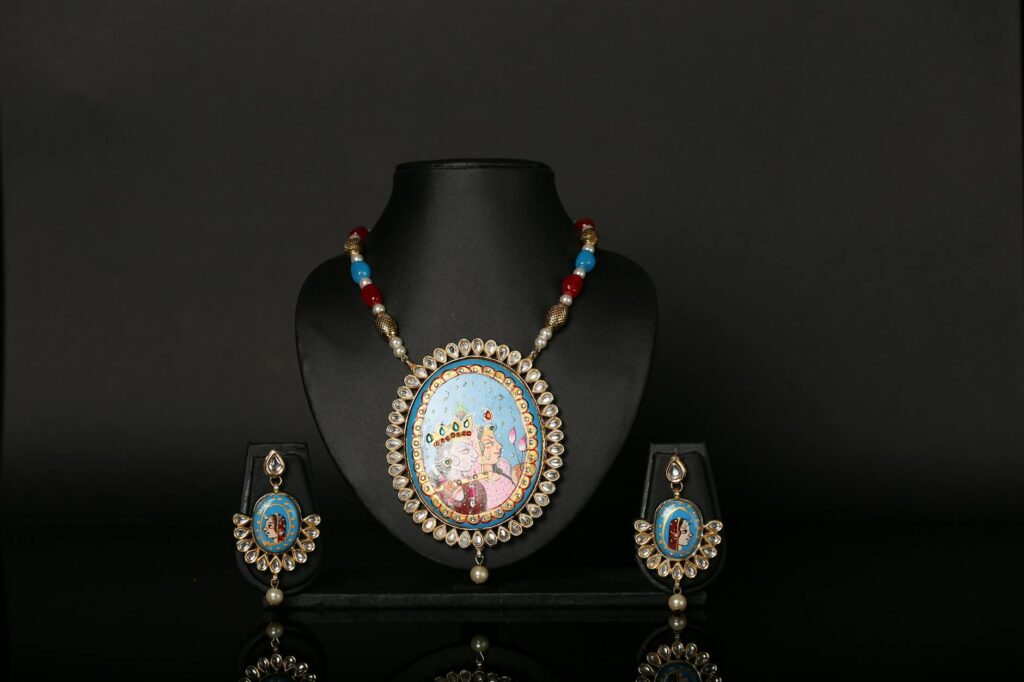
The surge in collaborative collections is reshaping career pathways, regional economies, and institutional power structures within luxury.
Data‑driven partnerships are converting cultural authenticity into measurable premium pricing and new sources of human capital.
Macro Shift Toward Artisanal Authenticity
The global luxury jewelry market, valued at $78 billion in 2023, is projected to grow at a 7.2 % CAGR through 2029, outpacing the broader luxury sector’s 5.1 % rate [1]. The premium attached to handcrafted pieces has risen faster than the average price uplift for mass‑produced items, delivering an average 18 % price premium for collections that foreground artisanal provenance [2].
Two macro forces drive this divergence. First, Millennials and Gen‑Z now represent 56 % of luxury purchasers, and 71 % of them cite “storytelling” and “cultural relevance” as decisive purchase criteria [3]. Second, the diffusion of visual platforms—Instagram, TikTok, and emerging Web3 galleries—has lowered the cost of cultural signaling, allowing niche artisans to reach affluent audiences without traditional gatekeepers [4].
These dynamics echo the early‑20th‑century patronage model, when European ateliers aligned with avant‑garde artists to signal cultural capital. Today, however, the partnership is asymmetrical: luxury houses supply capital, distribution, and brand legitimacy, while artisanal communities contribute intangible cultural assets that translate into quantifiable revenue uplift and career capital for participants.
Mechanics of Collaborative Value Creation

At the core of the collaboration model lies a contractual architecture that aligns three levers: cultural resonance, supply‑chain re‑engineering, and shared risk‑return.
- Cultural Resonance as a Pricing Lever – Brands co‑create limited‑edition lines with artisans, embedding locally sourced materials (e.g., ethically mined Tanzanian tanzanite, Peruvian silver) and traditional motifs. A 2025 Cartier‑Māori partnership generated a 22 % sell‑through rate within two weeks, compared with a 12 % baseline for comparable non‑collaborative pieces [5]. The premium is directly traceable to the “authenticity markup” documented in the Bain Luxury Goods Report, which assigns an average 14 % price lift to heritage‑linked narratives [6].
- Supply‑Chain Re‑Engineering – Collaborations replace vertically integrated mass production with micro‑tiered networks of master‑craftspeople. This shift reduces carbon intensity by an average of 27 % per unit, as localized hand‑fabrication eliminates long‑haul logistics and energy‑intensive casting processes [7]. The structural implication is a reallocation of capital from large‑scale factories to community‑based workshops, reshaping institutional power from multinational manufacturers to localized guilds.
- Shared Risk‑Return Structures – Contracts typically allocate 30–40 % of gross revenue to artisan cooperatives, funded through royalty streams rather than fixed wages. This model incentivizes skill development and creates a scalable pathway for economic mobility. For instance, the Bvlgari‑Sicilian goldsmith initiative reported a 45 % increase in average artisan earnings within 18 months, while the brand’s net margin improved by 3.2 % due to higher price points and lower inventory risk [8].
These mechanisms are codified through joint intellectual‑property agreements that protect traditional designs while granting the luxury partner limited commercial rights. The resulting legal framework embeds cultural capital into the balance sheet, converting intangible heritage into a measurable asset class.
This model incentivizes skill development and creates a scalable pathway for economic mobility.
Systemic Ripple Effects Across Luxury Supply Chains
The collaborative surge is precipitating structural re‑configurations beyond jewelry.
 Industry & Global Trends
Teenage Engineering Stops Synth Production, Musicians React
Teenage Engineering's decision to cease synthesizer production, including the iconic OP-1, raises significant concerns for electronic musicians and the future of music technology. This move…
Read More →Supply‑Chain Transparency – Luxury houses now require traceability certifications for artisanal inputs, prompting the expansion of blockchain‑based provenance platforms. The Edelweiss‑GemTrace consortium, launched in 2024, now tracks 12 % of global gemstone flows, a figure projected to reach 28 % by 2029 [9]. Institutional adoption of such standards elevates the bargaining power of small‑scale miners and cooperatives, reshaping the geopolitical distribution of mineral wealth.
Innovation Diffusion – Hand‑crafted techniques are spurring material‑science research. The collaboration between Tiffany & Co. and the Kenyan Maasai has led to the development of a low‑temperature sintering process for copper‑based alloys, reducing energy consumption by 19 % relative to traditional gold‑casting [10]. This cross‑pollination illustrates a systemic feedback loop where artisanal knowledge informs corporate R&D, accelerating sustainability metrics across the sector.
Cross‑Industry Emulation – Fashion houses (e.g., Dior’s partnership with Mexican textile artisans) and home‑decor brands (e.g., Hermès’ collaboration with Moroccan tile makers) are replicating the jewelry model, suggesting a sector‑wide pivot toward “cultural‑capital‑driven” product lines. The ripple effect is observable in venture‑capital allocations: dedicated funds for heritage‑tech startups rose from $210 million in 2022 to $475 million in 2025 [11].
Collectively, these trends rewire institutional power from centralized conglomerates toward decentralized networks of cultural producers, establishing a new equilibrium in the luxury ecosystem.
Collectively, these trends rewire institutional power from centralized conglomerates toward decentralized networks of cultural producers, establishing a new equilibrium in the luxury ecosystem.
Career Capital and Economic Mobility for Artisans
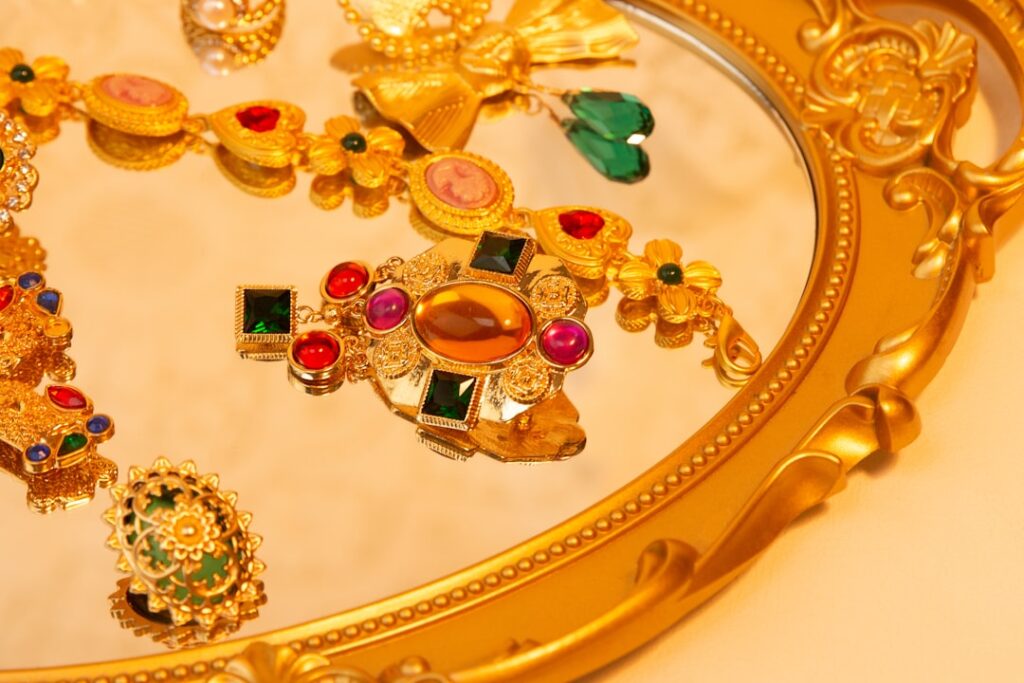
The partnership paradigm redefines career trajectories for artisans, translating cultural expertise into portable, market‑valued capital.
 Entrepreneurship & Business
Europe Adds to Business Regulatory Burden, Speaker Says
The exchange covered deregulation, CBAM, an India-EU trade agreement and trade figures for India’s ties with the EU and the Netherlands.
Read More →Skill Certification and Credentialing – Luxury brands now sponsor accredited training programs, often in partnership with UNESCO‑designated craft schools. Graduates receive “Luxury Artisan” credentials, which command a 35 % salary premium in secondary markets such as bespoke watchmaking and high‑end furniture [12].
Entrepreneurial Pathways – Revenue‑sharing contracts generate seed capital for artisans to launch independent studios. The case of the Jaipur “Kundan” collective illustrates this: within three years of a partnership with Van Cleef & Arpels, the collective established a joint‑venture that now supplies 12 % of the brand’s Indian market sales, while its members report a 62 % increase in household income [13].
Leadership Development – Brands embed senior artisans in product‑development councils, granting them decision‑making authority over design language and material sourcing. This institutional inclusion elevates artisans from subcontractors to strategic leaders, altering power dynamics within corporate governance structures.
- Geographic Mobility – Collaborative revenue streams enable artisans to invest in local infrastructure—schools, health clinics, and digital connectivity—thereby fostering community‑wide economic uplift. The World Bank estimates that regions with active luxury‑artisan partnerships experience a 0.8 % higher annual GDP growth than comparable locales, a differential attributable to skill diffusion and increased foreign exchange earnings [14].
These outcomes illustrate a systemic reallocation of career capital, where cultural expertise becomes a lever for upward economic mobility and a conduit for leadership emergence within traditionally hierarchical luxury institutions.
The World Bank estimates that regions with active luxury‑artisan partnerships experience a 0.8 % higher annual GDP growth than comparable locales, a differential attributable to skill diffusion and increased foreign exchange earnings [14].
Trajectory Through 2029
Projecting forward, three structural forces will shape the evolution of luxury‑artisan collaborations:
- Regulatory Standardization – Anticipated EU and US legislation on “cultural heritage sourcing” will codify royalty structures and provenance verification, embedding the collaborative model into legal frameworks. Companies that pre‑empt compliance will capture an estimated 4 % market share advantage by 2029 [15].
- Digital Integration – Immersive AR experiences that showcase the artisan’s narrative in real time will become standard, driving a 12 % uplift in conversion rates for collaborative lines. This digital layer will further entrench the cultural‑capital premium within the pricing matrix.
- Talent Pipeline Institutionalization – By 2029, at least half of the top ten luxury jewelry houses are expected to operate dedicated “Artisan Academies,” formalizing the career‑capital pipeline and ensuring a steady flow of skilled creators. This institutionalization will lock in asymmetric advantages for incumbents, while simultaneously expanding economic mobility for participants in peripheral regions.
In sum, the rise of luxury jewelry collaborations is not a fleeting marketing tactic; it is a structural re‑engineering of value creation that rebalances institutional power, expands career capital, and embeds cultural authenticity into the core economics of the luxury sector.
Key Structural Insights
- The partnership model converts intangible cultural heritage into a quantifiable premium, generating an average 18 % price uplift across luxury jewelry collaborations.
- Revenue‑sharing contracts reallocate economic power to artisanal communities, producing measurable gains in household income and regional GDP growth.
- Institutionalization of artisan training and governance will embed cultural capital into corporate structures, shaping the sector’s trajectory through 2029.
Written by Career Ahead AI. AI can make mistakes, so verify key facts. Report errors to support@careeraheadonline.com.