No products in the cart.

MacBook Air Faces Stock Challenges Amid Memory Shortages
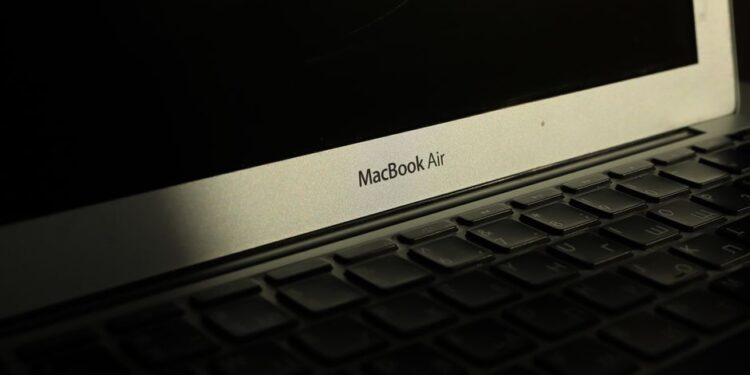
Apple's MacBook Air is facing significant stock challenges due to ongoing memory shortages, leading to price increases and extended wait times for customers.

Apple is grappling with substantial stock challenges for its popular MacBook Air, primarily due to ongoing memory shortages. Reports indicate that shipments of new units are more constrained than ever, with the company struggling to meet rising demand. This situation has resulted in notable price increases in key markets, including India and the United States.
In India, the price of the MacBook Air equipped with the M5 chip surged by nearly 24%, escalating from ₹1,20,900 to ₹1,49,900. In the U.S., the starting price increased by $200, bringing it to $1,299. These price hikes reflect the broader impact of the memory chip crisis, compelling Apple to reassess its pricing and inventory strategies. According to a report from Mint, the memory shortages are not only affecting the MacBook Air but also highlight larger supply chain issues rippling through the tech industry.
Challenges for Consumers During Back-to-School Season
The ongoing memory shortages have led to extended wait times for customers eager to purchase a MacBook Air. With the back-to-school season approaching, many consumers are finding it increasingly difficult to secure their desired models. Apple has begun including disclaimers in its marketing materials indicating that the MacBook Air is subject to availability, signaling a shift in how the company is managing customer expectations.
This situation poses particular challenges for students and professionals who rely on these devices for academic and work-related tasks. The scarcity of the MacBook Air may push some customers toward alternative products, such as the MacBook Pro, which Apple has been promoting more heavily. This shift in consumer behavior could have long-term implications for the MacBook Air’s market share if customers begin to perceive it as less accessible.
This situation poses particular challenges for students and professionals who rely on these devices for academic and work-related tasks.
Moreover, the delays in product availability can significantly affect purchasing timelines for students preparing for the new academic year. The inability to secure a MacBook Air could hinder their readiness for coursework that increasingly relies on technology. Consequently, customers may need to explore other options or consider purchasing refurbished models to avoid delays. This scenario underscores the broader challenges consumers face in a market increasingly affected by supply chain disruptions.
Apple’s Response to Supply Chain Challenges
In response to the ongoing memory shortages, Apple is reportedly looking to source memory from Chinese suppliers to alleviate some of the pressure on its supply chain. However, this approach raises concerns about the reliability and quality of components sourced from different regions. The Supply Chain Innovation Reports emphasize that diversifying supply chains is crucial in mitigating risks associated with single-source suppliers, especially in a global market where disruptions can arise from geopolitical tensions or natural disasters.
You may also like
 Industry & Global Trends
India’s Resilience Shines Through Economic Disruptions
Malhotra’s comments come at a time when many economies are grappling with inflationary pressures and market volatility.
Read More →The current environment underscores the importance of strategic supply chain management. Apple’s decision to prioritize sales of the entry-level 14-inch MacBook Pro indicates a shift in how the company is managing its inventory. While this may help clear the backlog for the MacBook Air, it also reflects a reactive rather than proactive approach to supply chain management.
Implications for Hardware Supply Chain Managers
For hardware supply chain managers, the ongoing memory shortages present a complex challenge. Companies reliant on single-source suppliers may face greater risks during crises, making it essential for supply chain managers to develop more robust strategies. The current landscape calls for innovative solutions and a reevaluation of supply chain strategies to adapt to ongoing challenges.

As Apple and other tech companies navigate these issues, the need for agility and foresight in supply chain management becomes increasingly evident. The ongoing memory shortages affecting the MacBook Air highlight the complexities of modern supply chains and the necessity for strategic foresight. Stakeholders must remain vigilant and adaptable to shifting market conditions.
As Apple and other tech companies navigate these issues, the need for agility and foresight in supply chain management becomes increasingly evident.
Frequently Asked Questions
When will the MacBook Air be back in stock?
Current analysis suggests that the availability of the MacBook Air may not improve significantly in the short term due to ongoing memory shortages. Customers are encouraged to check with retailers for updates on stock levels.
How do memory shortages affect hardware supply chains?
Memory shortages create challenges for hardware supply chains by limiting the availability of critical components. This can lead to production delays, increased costs, and difficulty in meeting consumer demand.
What should technology product managers do in response to supply chain disruptions?
You may also like
 Industry & Global Trends
India’s Wind Turbine Manufacturers Push for Export Incentives
India's wind turbine sector is advocating for export-linked incentives to enhance competitiveness against foreign manufacturers, emphasizing the need for local manufacturing support to improve the…
Read More →Technology product managers should focus on enhancing communication with consumers regarding product availability and exploring alternative solutions to mitigate the impact of supply chain disruptions. Flexibility and innovation will be key to navigating these challenges.