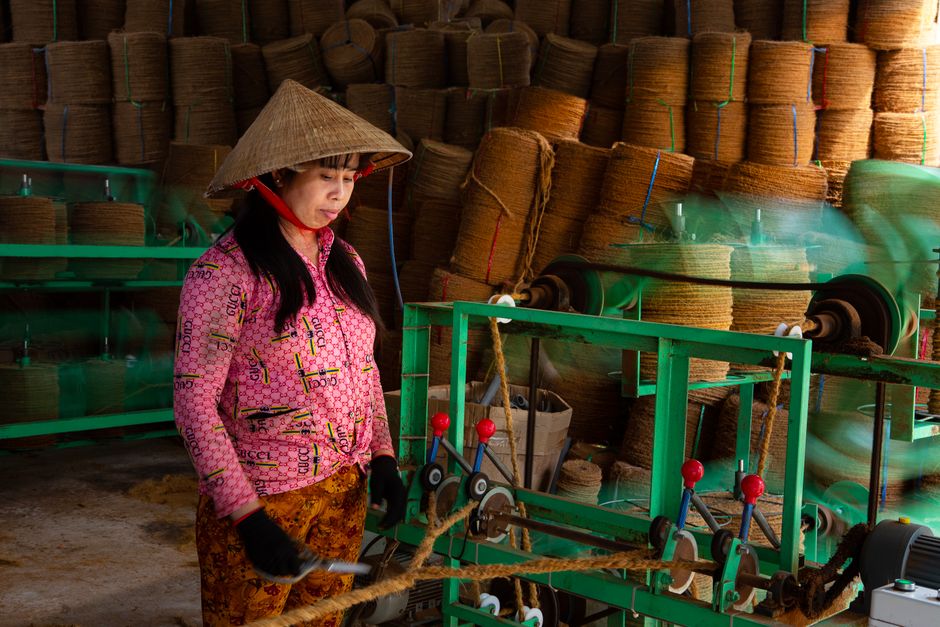
Southeast Asia’s manufacturing sector rebounded in July, with the purchasing managers’ index rising to 52.8 from an 11-month low of 50.5 in June. This increase indicates a recovery in factory activity, driven by a surge in new orders and production. The growth in manufacturing comes at a time when similar sectors in other regions, such as China, are experiencing stagnation. According to S&P Global, this rebound is particularly noteworthy as it reflects a significant shift in the region’s economic landscape, suggesting that Southeast Asia is emerging as a competitive manufacturing hub amidst global uncertainties.
This resurgence in factory activity is significant for the region, as it not only reflects a recovery from recent economic challenges but also highlights the potential for job creation in manufacturing and supply chain roles. The rebound suggests that businesses are gearing up for increased production, which could lead to a demand for skilled labor, particularly in areas like automation and efficiency. Furthermore, the positive sentiment in the manufacturing sector may encourage foreign investments, further bolstering job prospects in the coming months.
Rising Demand for Skilled Labor in Manufacturing
As factory activity picks up, the need for skilled labor is becoming more pronounced. Career Ahead’s analysis identifies that this rebound may create thousands of new job opportunities for manufacturing managers and supply chain analysts across Southeast Asia. Companies are likely to seek professionals who can navigate the complexities of increased production demands while also integrating automation technologies into their processes. The demand for skilled labor is not just a temporary trend; it is indicative of a long-term shift towards more sophisticated manufacturing practices that require a higher level of expertise.
According to S&P Global, the rise in the purchasing managers’ index indicates that businesses are not only recovering but also preparing for future growth. This means that hiring is expected to increase, particularly in sectors that require specialized skills. For instance, manufacturing managers will need to focus on optimizing production lines and ensuring that operations run smoothly. The emphasis on efficiency and productivity means that companies will likely invest in training programs to equip their workforce with the necessary skills to adapt to new technologies and processes.
Moreover, as companies invest in automation technologies to enhance efficiency, there will be a growing need for workers who can operate and maintain these systems. This shift is crucial as it aligns with global trends where automation is becoming a staple in manufacturing processes. Workers with skills in robotics, data analysis, and machine learning will be highly sought after. The integration of these technologies not only streamlines operations but also enhances the overall competitiveness of Southeast Asia’s manufacturing sector on the global stage.
According to S&P Global, the rise in the purchasing managers’ index indicates that businesses are not only recovering but also preparing for future growth.
Additionally, supply chain analysts will play a vital role in this evolving landscape. Their expertise will be essential in managing logistics and ensuring that raw materials are sourced efficiently to meet the rising production levels. The integration of advanced analytics and supply chain management software will further enhance the demand for skilled professionals in this area. As highlighted by Bloomberg, the rebound in factory activity is expected to lead to a more dynamic supply chain environment, where agility and responsiveness will be key to success.
The Impact of Automation on Employment Opportunities
The rebound in factory activity also raises questions about the impact of automation on employment opportunities. While the integration of technology can streamline operations and reduce costs, it may also lead to a skills gap in the labor market. Career Ahead research finds that as companies adopt more automated solutions, there will be a pressing need for workers who can adapt to these changes. The challenge will be to ensure that the workforce is prepared for the new demands that automation brings, particularly in terms of technical skills and adaptability.
For manufacturing managers, this means not only managing current operations but also preparing their teams for the future. They will need to focus on training and development to ensure that their workforce is equipped with the necessary skills to thrive in an increasingly automated environment. This proactive approach will be crucial in mitigating the potential negative impacts of automation on employment. Moreover, as highlighted by various industry reports, the successful integration of automation technologies can lead to enhanced job satisfaction and productivity, provided that workers are given the right tools and training.
Furthermore, the shift towards automation may also create new roles that did not previously exist. Positions focused on overseeing automated systems, analyzing data for operational improvements, and ensuring compliance with safety standards will become more prevalent. This evolution in job roles presents an opportunity for workers to upskill and remain relevant in the job market. The demand for innovative solutions to enhance supply chain efficiency will also lead to the emergence of specialized roles that require advanced technical skills, further shaping the future of work in the region.

As Southeast Asia’s manufacturing sector grows, so too will the demand for innovative solutions to enhance supply chain efficiency. Companies will look for experts who can implement smart technologies that improve logistics and reduce lead times. This trend signifies a shift in the job market where traditional roles may evolve into more specialized positions that require advanced technical skills. As the region’s economy strengthens, the implications for job seekers and professionals in the manufacturing and supply chain sectors are significant. The demand for skilled labor is set to rise, but so is the competition. Workers will need to stay ahead by continually updating their skills and adapting to new technologies.
They will need to focus on training and development to ensure that their workforce is equipped with the necessary skills to thrive in an increasingly automated environment.
This environment of rapid change will require a workforce that is agile and capable of embracing new challenges. The focus will be on not just filling positions but ensuring that employees are prepared for the future of work in manufacturing. As the region continues to recover, the question remains: how will companies balance the integration of automation with the need for human expertise? The coming months will be crucial in determining the trajectory of job growth and the skills required to thrive in Southeast Asia’s manufacturing landscape.
Frequently Asked Questions
What does the rebound in factory activity mean for manufacturing managers?
The recent rebound indicates a growing demand for skilled manufacturing managers who can optimize production processes and integrate automation technologies. This shift may lead to increased hiring and a focus on training to prepare teams for technological advancements.
How should supply chain analysts prepare for changes in production levels?
Supply chain analysts should focus on enhancing their skills in data analytics and logistics management. As companies ramp up production, their expertise will be crucial in ensuring efficient sourcing and distribution of materials.

What skills are needed to adapt to the rebound in Southeast Asia’s manufacturing sector?
Workers will need to develop skills in automation technologies, data analysis, and supply chain management. As the industry evolves, having expertise in these areas will be essential for staying competitive in the job market.
Written by Career Ahead AI. AI can make mistakes, so verify key facts. Report errors to support@careeraheadonline.com.