No products in the cart.

Managers Shape Strategy: A Shift

The Evolution of Management's Role in Strategy A study by the Oxford Review highlights the critical role managers play in shaping organisational strategy,.

Key frameworks like Porter’s Five Forces and the resource-based view (RBV) have been widely influential. But they have also been criticized for marginalizing the role of managers in shaping organisational strategy.
A New Era of Management
Today, there is a growing recognition of the need to rebalance the focus from leadership to management. This acknowledges the critical role managers play in organisational strategy. As noted by leadership experts, middle managers are more important than ever. This is particularly true in the age of AI.
The micro-foundations movement in strategic management has helped reintegrate managers into strategic theory. It does this by examining how individual behaviours aggregate to shape organisational outcomes.
Why Middle Managers Matter More Than Ever
Middle managers play a vital role in implementing organisational strategy. Their actions and decisions have a direct impact on firm performance. According to a study by the Institute for Fiscal Studies, companies with more women in top roles are more likely to dismiss men accused of abuse. This highlights the importance of effective management.
The impact of middle managers can be seen in their ability to translate strategic goals into actionable plans. Their ability to communicate effectively and motivate their teams is essential for driving organisational performance.
Measuring the Impact of Middle Managers
Research has shown that middle managers can have a significant impact on organisational performance. One study by Harvard Business Review found that companies with strong middle management capabilities are more likely to outperform their peers. To measure the impact of middle managers, organisations can use metrics such as employee engagement, customer satisfaction, and financial performance.
One study by Harvard Business Review found that companies with strong middle management capabilities are more likely to outperform their peers.
The Value of Managers in Modern Organisations
Managers play a far more active role in shaping organisational strategy than usually acknowledged. Their actions, interactions, and decision-making processes directly influence firm performance and competitive advantage. Frameworks like dynamic managerial capabilities and managerial interfaces recognize the strategic importance of managers in modern organisations.
You may also like
 Education & University Insights
Inside DES Pune University's academic leadership
DES Pune University is embracing innovation in higher education through new leadership strategies, interdisciplinary research, and industry partnerships, aiming to prepare students for a dynamic…
Read More →A new study proposes a comprehensive approach centered on dynamic social interactions, interfaces, and social influence mechanisms. This highlights the need for managers to develop strong social skills. These skills include the ability to communicate effectively, build relationships, and influence others.

Developing Dynamic Managerial Capabilities
Dynamic managerial capabilities refer to the ability of managers to adapt and respond to changing environmental conditions. This includes the ability to sense and seize opportunities. It also includes the ability to reconfigure and transform the organisation in response to changing market conditions.
Managers with dynamic managerial capabilities are able to drive innovation and entrepreneurship. They are critical to the long-term success of the organisation. To develop these capabilities, organisations can provide training and development programs. They can encourage experimentation and learning. They can foster a culture of innovation and risk-taking.
From Leadership to Management
There is a growing recognition of the need to rebalance the focus from leadership to management. This acknowledges the critical role managers play in organisational strategy. The concept of interfaces highlights the importance of social interactions between managers at different hierarchical levels.
From Leadership to Management There is a growing recognition of the need to rebalance the focus from leadership to management.
This shift challenges the traditional manager-less view in strategic management. It calls for a renewed focus on how managerial interactions shape competitive advantage. By rebalancing the focus from leadership to management, organisations can tap into the collective knowledge and expertise of their managers. They can drive more effective strategy implementation.
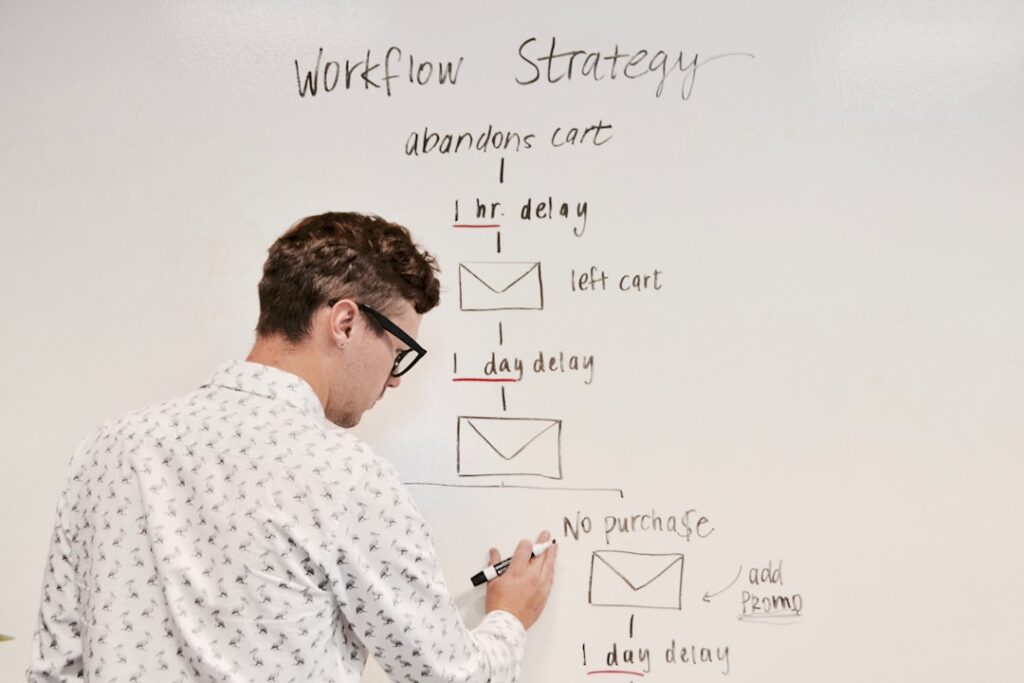
You may also like
 Education & University Insights
NYC Leaders Push for School Integration Amid Segregation
New York City's school system remains one of the most segregated in the U.S. City leaders are now pushing for integration, but advocates emphasize the…
Read More →Interfaces and Social Interactions
Interfaces refer to the points of interaction between managers at different hierarchical levels. These interactions are critical for shaping organisational strategy and performance. They enable the sharing of knowledge, expertise, and resources.
Effective managers are able to navigate these interfaces. They build relationships and influence others to drive organisational outcomes. To help effective interfaces, organisations can establish clear communication channels. They can encourage collaboration and teamwork. They can provide opportunities for managers to develop their social skills.
Trends and Insights
As organisations navigate the challenges of the modern business landscape, the role of managers will continue to evolve. With the increasing importance of AI and digital transformation, managers will need to adapt and develop new skills to remain relevant. According to a report by McKinsey, companies that successfully integrate AI and managerial capabilities can experience substantial productivity gains.
These skills include the ability to work with data analytics, machine learning algorithms, and other digital tools.
The future of management will require a deeper understanding of the complex interactions between managers, organisational strategy, and performance. By developing a more nuanced understanding of these interactions, organisations can tap into the full potential of their managers. They can drive more effective strategy implementation.
Adapting to AI and Digital Transformation
The increasing importance of AI and digital transformation will require managers to develop new skills. These skills include the ability to work with data analytics, machine learning algorithms, and other digital tools. Managers will need to be able to leverage these tools to drive innovation and entrepreneurship. They will need to reconfigure and transform the organisation in response to changing market conditions.
You may also like
 Education & University Insights
UP ITI Admission Opens Fifth Phase Applications
The fifth phase of UP ITI admissions for the 2026-27 training session will start on October 6, 2026, and will remain open until midnight on…
Read More →To adapt to these changes, organisations can provide training and development programs. They can encourage experimentation and learning. They can foster a culture of innovation and risk-taking.