A college's mango orchard in India is funding education for nearly 80 students, showcasing how agricultural entrepreneurship can alleviate financial burdens. This initiative supports education while providing hands-on experience in sustainable farming.
India — A unique initiative at Kisan Veer Mahavidyalaya is changing a two-acre mango orchard into a funding source for students’ education. Since 2016, this orchard has helped nearly 80 students complete their degrees without tuition fees. The college, located in the Marathwada region, is addressing the financial challenges faced by students from farming families.
This initiative is important because many farmers in Marathwada and Vidarbha struggle with debt and crop failures. The college, run by Janata Shikshan Sanstha, provides free education funded by profits from the mango orchard. This model not only helps students financially but also teaches them practical skills in sustainable farming.
Transforming Agricultural Products into Educational Opportunities
The mango orchard’s journey began in the early 1990s. Prof. Dattaray Waghchavare, the NSS project officer, wanted to use a spare piece of land for a greater purpose. With help from students and community members, mango saplings were planted, starting a fruitful venture. Over the years, the orchard has become a vital part of the college’s identity.
Initially, the orchard faced many challenges. It lacked infrastructure, leading to theft and cattle damage. Annual earnings were only around Rs 25,000. However, the dedication of students and faculty has increased productivity. This season, the orchard generated nearly Rs 1 lakh from mango sales, including popular varieties like Hapur and Kesar.
Students involved in the orchard benefit financially and gain hands-on experience in agricultural practices. They learn essential skills such as grafting, composting, and soil management, which are crucial for sustainable farming. This practical exposure is especially beneficial for those from agricultural backgrounds, as they can apply their learning directly to their family farms.
They learn essential skills such as grafting, composting, and soil management, which are crucial for sustainable farming.
The success of this initiative shows how agricultural products can fund education. Career Ahead’s analysis suggests that such models can be replicated in other institutions, especially in rural areas where education funding is a barrier. By turning agricultural ventures into income sources, colleges can help students who might otherwise drop out due to financial issues.
This approach also aligns with the trend of sustainable agriculture. Farming practices can yield crops and contribute to community welfare. The mango orchard serves as a case study for how educational institutions can innovate to meet their students’ needs while promoting local agriculture.
New York City's school system remains one of the most segregated in the U.S. City leaders are now pushing for integration, but advocates emphasize the…
The implications of this initiative go beyond individual students. As the mango orchard thrives, it builds a sense of community among students, faculty, and local farmers. The college’s commitment to supporting bereaved farming families has created a network of solidarity that enhances the educational experience.
Research from sfltimes.com shows that community-driven agricultural initiatives can significantly impact local economies. By supporting education through agricultural sales, colleges can create a sustainable model that benefits everyone involved. This model encourages students to engage with their local communities, fostering a sense of responsibility and connection.
Moreover, the success of the mango orchard can inspire other educational institutions to explore similar initiatives. With rising tuition costs and economic challenges, using local agricultural products can provide a viable funding solution. The direct involvement of students in managing and selling produce equips them with valuable entrepreneurial skills.
By integrating agricultural entrepreneurship into education, institutions can address financial barriers and skill gaps among students.
Career Ahead research indicates that such initiatives can bridge the gap between education and community needs. By integrating agricultural entrepreneurship into education, institutions can address financial barriers and skill gaps among students. This holistic approach can lead to more resilient communities and empowered individuals.
As more colleges adopt similar models, the potential for creating a sustainable cycle of education and agricultural success becomes clear. This could lead to new educational funding strategies that prioritize local resources and community involvement.
In conclusion, the mango orchard at Kisan Veer Mahavidyalaya shows how agricultural entrepreneurship can support education. It provides financial relief to students and fosters essential skills and community ties. The future of education funding may depend on innovative approaches that harness local resources for broader societal benefits.
Frequently Asked Questions
How can agricultural entrepreneurs leverage their products for educational funding?
Agricultural entrepreneurs can create models like the mango orchard initiative. Profits from selling agricultural products can fund educational programs. This approach supports students and promotes sustainable farming practices.
Students should seek hands-on experience in farming and business management through initiatives like the mango orchard.
What are the best practices for college students to engage in agricultural entrepreneurship?
Students should seek hands-on experience in farming and business management through initiatives like the mango orchard. Collaborating with local farmers and institutions can provide valuable insights and growth opportunities.
What should agricultural entrepreneurs consider when targeting student funding opportunities?
Entrepreneurs should build partnerships with educational institutions to create sustainable funding models. Understanding the local community’s needs and aligning agricultural practices with educational goals can enhance their initiatives’ impact.



 Education & University Insights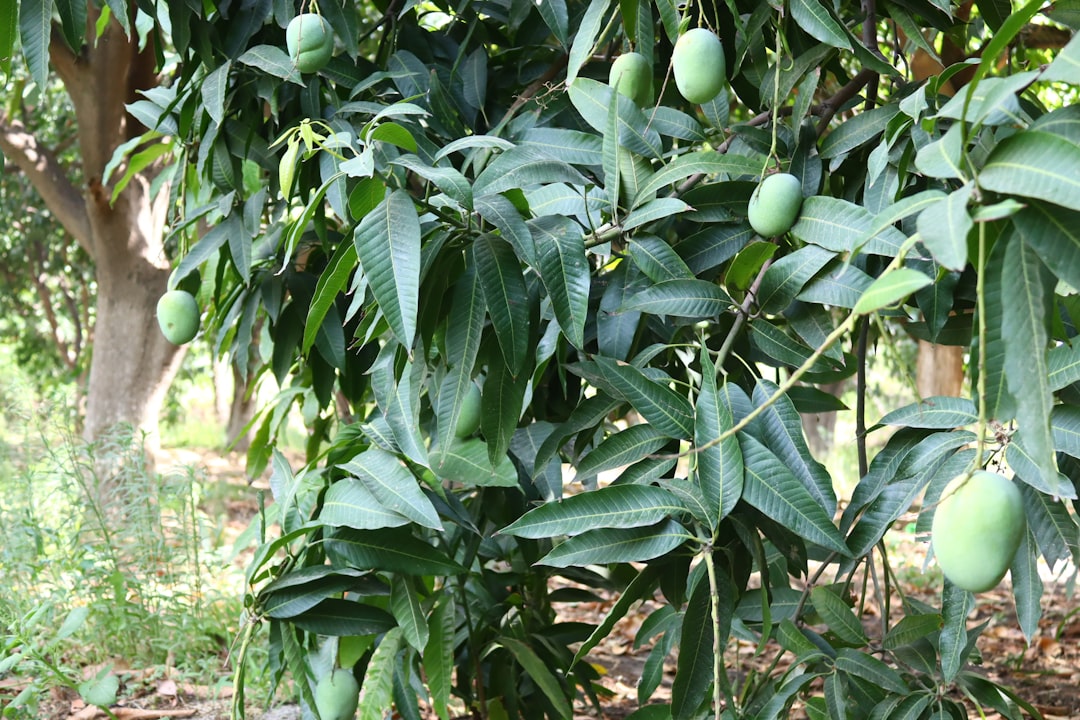
Education & University Insights