No products in the cart.

Smart Home-Fitness Gear Set for U.S. K-12 Classrooms as Industry Growth Continues

K-12 schools are integrating smart home-fitness equipment into curricula as part of a data-driven, wellness-focused overhaul slated for the 2025-2026 school year.

U.S. K-12 schools are integrating smart home-fitness equipment into curricula as part of a data-driven, wellness-focused overhaul slated for the 2025-2026 school year. The shift is driven by industry forecasts indicating sustained consumer demand for connected fitness devices and a shift toward wellness-focused curricula.
U.S. K-12 schools are integrating smart home-fitness gear into physical-education curricula as part of a data-driven, wellness-focused overhaul slated for the 2025-2026 school year [1]. The rollout will occur across public and private districts nationwide, with equipment ranging from connected stationary bikes to interactive strength-training platforms [1]. The integration follows a broader transformation of the home-fitness market that accelerated during the COVID-19 pandemic and remains strong [2][3].
The initiative involves school districts, state education agencies, equipment manufacturers, and data-analytics firms that provide usage dashboards for teachers [1]. Implementation is driven by forecasts indicating sustained consumer demand for connected fitness devices and a shift toward wellness-focused curricula [1][2]. Manufacturers such as Peloton, NordicTrack, and emerging smart-equipment startups have entered procurement pipelines, while educators receive training on digital lesson planning and student-performance tracking [1][4].
Integration of Smart Home-Fitness Gear in K-12 Physical Education
The integration plan was announced by the National Association of School Boards in a briefing held in March 2025, outlining a phased adoption schedule that begins with pilot programs in 12 districts [1]. Schools will receive funding through a combination of federal wellness grants, state education budgets, and private-sector partnerships [1]. Pilot sites will test equipment that syncs with student health records, allowing real-time monitoring of activity levels, heart-rate zones, and progress toward fitness standards [1].
Data-driven decision-making underpins the rollout. Districts will use analytics platforms to assess equipment utilization, student engagement, and outcomes relative to state physical-education benchmarks [1]. The platforms aggregate anonymized data to inform curriculum adjustments and resource allocation [1]. Training modules, delivered via online professional-development portals, equip teachers with skills to integrate digital fitness tools into lesson plans and to interpret performance metrics [1][4].
Training modules, delivered via online professional-development portals, equip teachers with skills to integrate digital fitness tools into lesson plans and to interpret performance metrics [1][4].
Manufacturers are customizing hardware to meet school safety standards, including tamper-proof mounts, adjustable resistance settings for varied age groups, and privacy safeguards that comply with FERPA [1][4]. Contracts typically include service agreements for routine maintenance, software updates, and technical support, ensuring equipment remains functional throughout the school year [1].
You may also like
 News
NewsGoogle Cloud Announces AI‑First Education Suite and Digital Campus 4.0 at ISTE 2026
Google Cloud introduced AI‑driven classroom tools at ISTE 2026 and launched Digital Campus 4.0 to support AI‑first universities in India.
Read More →Home-Fitness Industry Trends Reinforcing the Educational Shift
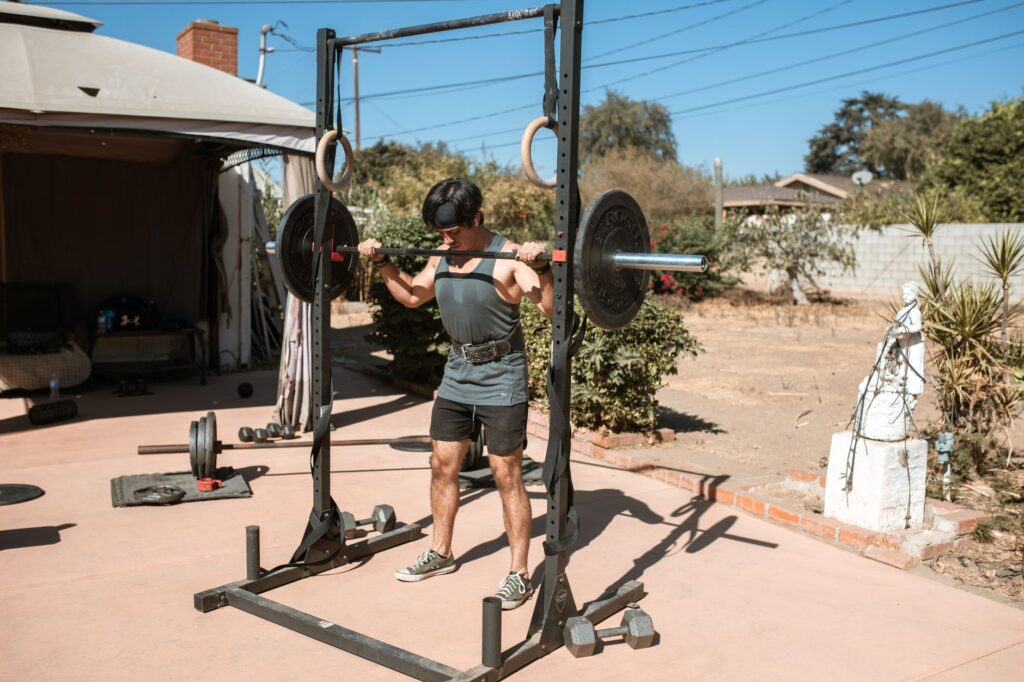
The home-fitness sector experienced a marked expansion during the global COVID-19 pandemic, as consumers sought alternatives to closed gyms [2]. Market research indicates that home-fitness equipment sales grew by 38% between 2020 and 2023, with smart, connected devices accounting for the majority of new purchases [2]. By 2026, the industry is projected to maintain double-digit growth, driven by continued consumer interest in hybrid workout models that blend in-home and outdoor activities [2][3].
Consumer surveys conducted by CivicScience in early 2026 show that 62% of respondents aged 13-24 regularly use smart fitness equipment, citing convenience and gamified experiences as primary motivators [3]. The same surveys reveal a rising preference for equipment that integrates with mobile apps, offers virtual coaching, and provides social competition features [3]. These preferences align with the capabilities schools aim to leverage for student engagement [1].
Industry analysts note that manufacturers are expanding product lines to include modular, space-efficient designs suitable for classroom environments [4]. Harison Fitness’s 2026 equipment guide highlights “smart compact rigs” and “interactive cardio stations” as top recommendations for institutions seeking to maximize limited floor space while delivering data-rich fitness experiences [4]. The guide also emphasizes the importance of equipment that supports a range of activities—from yoga and bodyweight circuits to cardio intervals—to accommodate diverse curricular goals [4].
Immediate Impact on Students, Educators and Consumers
Students will have direct access to connected fitness devices during scheduled physical-education periods, enabling individualized workout plans that adapt to each learner’s fitness level [1]. Real-time feedback on metrics such as heart rate, calorie expenditure, and movement quality is expected to enhance motivation and promote healthier habits [1][3].
Educators will need to incorporate technology-focused lesson planning, allocate class time for equipment setup and data review, and meet compliance requirements for student privacy [1][4]. Professional-development resources are being provided to support teachers in interpreting analytics and aligning activities with state standards [1].
Professional-development resources are being provided to support teachers in interpreting analytics and aligning activities with state standards [1].
School administrators must manage procurement contracts, oversee equipment maintenance, and ensure that data-collection practices adhere to federal and state regulations [1]. Budgetary considerations include initial capital outlays, ongoing service fees, and potential grant applications to offset costs [1].
You may also like
 News
NewsProvisional Answer Key for UGC NET June 2026 Remains Unreleased, Leaving Nearly 10 Lakh Candidates Awaiting Results
The National Testing Agency has not published the provisional answer key for the UGC NET June 2026 exam more than a month after the test…
Read More →Consumers outside the education system will encounter a broader market offering of smart fitness gear, as manufacturers scale production to meet both institutional and household demand [2][4]. The continued popularity of home-fitness solutions suggests that families may benefit from economies of scale and expanded product options, while also facing a competitive landscape that requires informed purchasing decisions [2][3].
Key Facts
What: U.S. K-12 schools are integrating smart home-fitness equipment into curricula as part of a data-driven, wellness-focused overhaul slated for the 2025-2026 school year.
When: Integration begins in the 2025-2026 academic year; industry trends observed through 2026.
Impact: Students receive data-rich physical-education experiences; educators adopt new technology-driven teaching methods; the home-fitness market expands with school-grade equipment offerings.
Impact: Students receive data-rich physical-education experiences; educators adopt new technology-driven teaching methods; the home-fitness market expands with school-grade equipment offerings.
You may also like
 News
NewsJakarta High Court Grants Former Education Minister Permission to Call Additional Witnesses in Chromebook Procurement Appeal
The decision follows earlier motions filed in April and May of the same year and expands the evidentiary base in the ongoing corruption case linked…
Read More →Sources
- Home Fitness in K-12 Physical Education – https://careeraheadonline.com/home-fitness-equipment-becomes-central-to-u-s-k-12-physical-education-programs/
- Home Fitness Industry Statistics and Trends for 2026 – https://www.ptpioneer.com/statistics/home-fitness-industry-statistics/
- Fitness Trends of 2026: The Rise of Yoga, Home Equipment Purchasing … – https://civicscience.com/fitness-trends-of-2026-the-rise-of-yoga-home-equipment-purchasing-and-gen-z-elevates-social-fitness/
- 2026 Fitness Trends & Equipment Guide: Stay Ahead of the Curve – https://www.harisonfitness.com/2026-fitness-trends-equipment-guide-stay-ahead-of-the-curve/