

The surge in March-Madness fantasy contests is turning college hoops into a multibillion-dollar market that rewards sponsors while exposing players to unregulated financial risk.
The Dark Side of March Madness Fantasy Sports
Sophomore Emily Rivera’s experience with a DraftKings “Bracket-Buster” contest is a cautionary tale. She entered a $200 contest, expecting a modest win, but ended up owing $1,200 in fees after a series of low-ball payouts and a confusing “roll-over” rule. Rivera’s story mirrors a wave of complaints logged by the Federal Trade Commission in its 2024 “Online Gaming Consumer Harm” survey, where 42% of college participants said they felt misled by prize-distribution terms.
The lack of federal regulation leaves fantasy operators to set their own rules. Some platforms classify “daily fantasy” as a game of skill, sidestepping gambling laws that would otherwise protect consumers. Critics argue this loophole lets operators charge hidden fees and manipulate odds without oversight.
The Rise of Fantasy Sports in March Madness
The NCAA’s March-Madness tournament generated $1.1 billion in media revenue in 2023, but the fantasy layer added another $6 billion to the sports economy, according to the Fantasy Sports Trade Association’s 2025 market report. DraftKings and FanDuel reported a 38% jump in March-Madness bracket entries compared with the previous year, driven by mobile-first apps that let users draft, trade, and cash out in real time.
Some platforms classify “daily fantasy” as a game of skill, sidestepping gambling laws that would otherwise protect consumers.
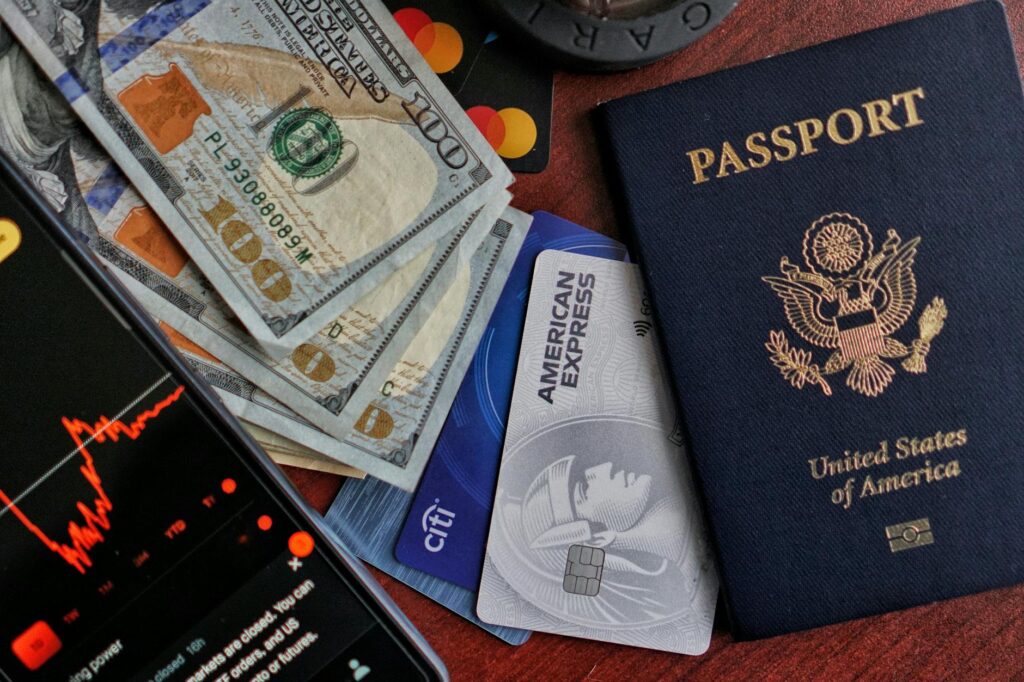
Online platforms have lowered the barrier to entry. A single-tap sign-up on ESPN’s “Bracket Challenge” links directly to a PayPal wallet, eliminating the need for a bank account. The convenience has attracted “micro-spenders” who wager as little as $5 per game.
The Financial Implications for Participants and Sponsors
For participants, the upside can be alluring. In 2024, a handful of “high-roller” brackets claimed prizes exceeding $500,000. Yet the median player loses money. FanDuel’s internal data showed that 71% of bracket entrants finished with a net loss after fees and taxes.
Sponsors pour cash into the frenzy. Coca-Cola’s 2024 “Game-Day Refresh” campaign allocated $45 million to fantasy-bracket sponsorships across DraftKings and FanDuel. However, brand-level ROI remains murky. A Nielsen Sports study found that only 22% of consumers recalled a sponsor’s name after participating in a fantasy contest.
Regulatory Efforts and Industry Initiatives
State lawmakers have begun to act. In 2024, Illinois passed the “Fair Fantasy Gaming Act,” mandating transparent prize structures and a 24-hour cooling-off period for players who exceed $500 in losses. The industry has also embraced self-regulation, with DraftKings introducing an age-verification API and FanDuel launching a “Responsible Gaming Dashboard.”
The Future of Fantasy Sports in March Madness
 Government & Policy
AP Sports Quota Teacher Recruitment Closed, Exam Restored
The state filled around 370 of approximately 400 sports quota teaching posts before courts took up around 330 cases alleging irregularities.
Read More →Technology will keep the market expanding. Augmented-reality brackets that overlay player stats onto live video are slated for rollout by ESPN in 2026, promising deeper engagement and new revenue streams. Regulatory pressure is likely to intensify, with the Department of Justice reviewing the “skill vs. chance” classification.
The Financial Implications for Participants and Sponsors For participants, the upside can be alluring.
The NCAA will be forced to clarify its role. A task force convened by the association’s Board of Governors is set to release recommendations on how to protect student-athletes from indirect sponsorship benefits while preserving the revenue opportunities that fantasy partnerships generate.
Written by Career Ahead AI. AI can make mistakes, so verify key facts. Report errors to support@careeraheadonline.com.





