No products in the cart.

South African Schools Report Surge in Xenophobic Incidents, Immigrant Students Removed from Classrooms
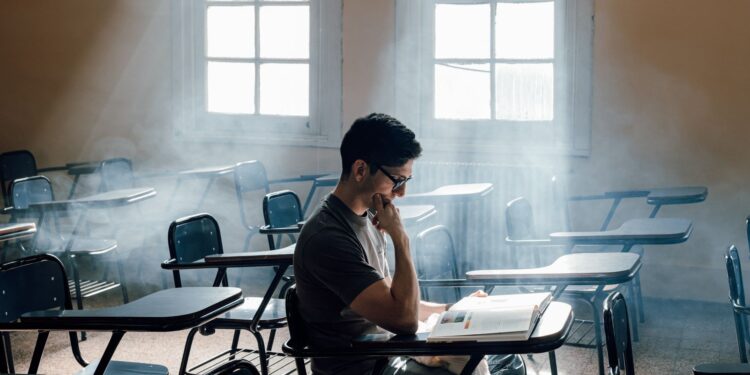
Human Rights Watch warned of a new wave of xenophobic attacks in May 2026.

Immigrant pupils have been expelled from classrooms in Johannesburg and other cities as anti-migrant protests intensify. Human Rights Watch warned of a new wave of xenophobic attacks in May 2026.
Human Rights Watch released a statement on 23 May 2026 documenting incidents in which foreign-national students were forced to leave school premises after protests by anti-immigration groups in Johannesburg and surrounding areas [2]. The incidents are part of a broader pattern of xenophobic violence that has escalated across South Africa since early 2025 [1].
The report identifies immigrant students, school staff, anti-migrant demonstrators, the Department of Basic Education, and civil-society organizations as the primary parties involved [2]. The expulsions resulted from coordinated protests, school lockdowns, and direct intimidation of students and teachers, according to eyewitness accounts and statements from school administrators [2][4].
Timeline and Geographic Scope
The crisis emerged publicly in January 2025 when educators and community leaders highlighted overcrowding, funding shortfalls, and rising community tensions in South African schools [3]. By mid-2025, isolated incidents of xenophobic harassment in schools were reported in Gauteng province, particularly in Johannesburg’s central districts [1].
In May 2026, Human Rights Watch documented a series of protests that began on 20 May in Johannesburg’s Central Business District and spread to surrounding townships by 22 May 2026 [2]. During the protests, several secondary schools reported that immigrant students—primarily from Zimbabwe, the Democratic Republic of Congo, and Mozambique—were escorted out of classrooms by security personnel or forced to leave by teachers fearing violence [2][4].
In May 2026, Human Rights Watch documented a series of protests that began on 20 May in Johannesburg’s Central Business District and spread to surrounding townships by 22 May 2026 [2].
The incidents have been reported in at least five schools across Johannesburg, with similar, though less documented, events noted in Durban and Cape Town [1][4]. The Department of Basic Education confirmed that the incidents occurred within public schools under its jurisdiction [2].
You may also like
 News
NewsMironid Secures €39.9 Million Series B to Advance ADPKD Therapy
Mironid announced a €39.9 million Series B round on August 7, 2026, securing an £8.4 million equity investment from the Scottish National Investment Bank to fund ADPKD drug development.
Read More →Parties Involved and Mechanisms
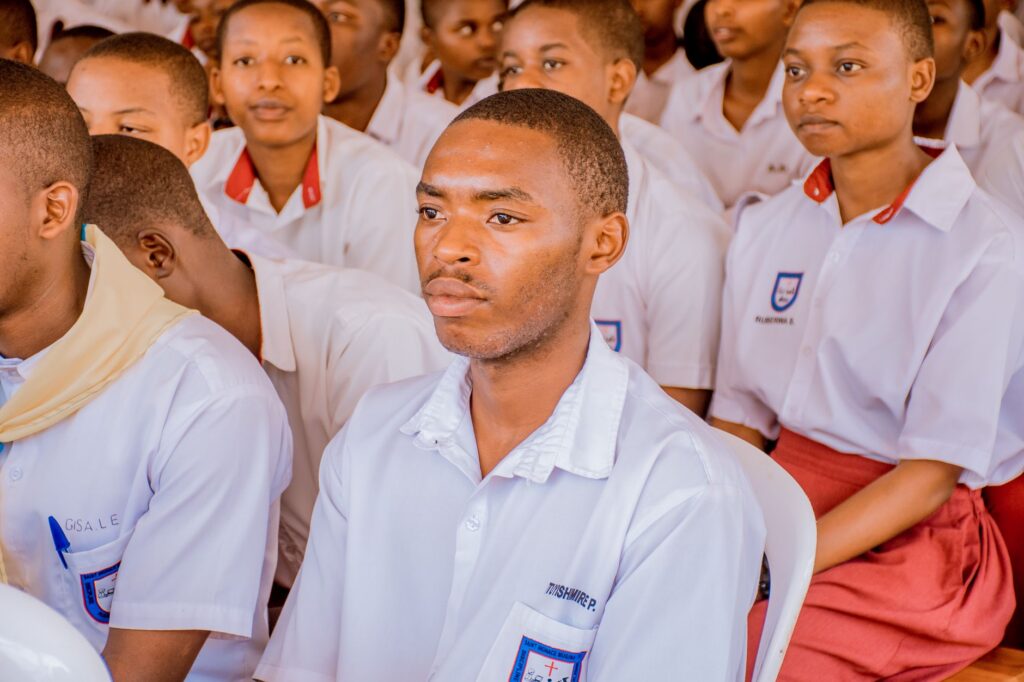
Immigrant families and their children constitute the primary victims of the school expulsions [2]. Anti-migrant groups, identified in police reports as local community organizations and informal vigilante collectives, organized marches and sit-ins outside school gates, demanding that schools exclude foreign-national students [1][2].
School administrators responded by invoking emergency lockdown procedures, a policy that allows schools to suspend regular classes when safety is compromised [2]. In several cases, teachers reported that they were instructed by school management to temporarily suspend lessons for immigrant students until police could secure the premises [4].
Human Rights Watch, an international non-governmental organization, issued an urgent appeal to the South African government on 23 May 2026, urging immediate protective measures for foreign-national students and calling for an investigation into the incidents [2]. The Department of Basic Education issued a statement on 24 May affirming its commitment to “ensure safe and inclusive learning environments for all learners” and announced a task force to monitor schools in high-risk areas [2].
Local NGOs, including the South African Development Research Association (SADRA), have documented the broader educational challenges that intersect with xenophobic tensions, such as chronic underfunding, teacher shortages, and overcrowded classrooms [3]. These systemic issues have been cited as contributing factors to the volatility observed in schools during the protests [3].
Immediate Impact on Students and the Education System
The forced removal of immigrant students has disrupted the academic progress of an estimated 1,200 learners across the affected schools, according to enrollment data released by the Department of Basic Education [2]. Attendance records show a 15% decline in overall classroom participation in the week following the protests [4].
The Department of Basic Education issued a statement on 24 May affirming its commitment to “ensure safe and inclusive learning environments for all learners” and announced a task force to monitor schools in high-risk areas [2].
Educators report heightened anxiety among staff and learners, leading to increased absenteeism among teachers who fear retaliation [3]. School counselors in Johannesburg have recorded a rise in reports of trauma and stress among both immigrant and South African students, prompting the Department of Basic Education to allocate additional counseling resources to the affected schools [2].
You may also like
 News
NewsIndia’s Non‑Metro Cities Overtake Bengaluru and Mumbai in Job Growth
LinkedIn’s 2026 employment report identifies ten tier‑2 and tier‑3 Indian cities as the fastest‑growing job markets, surpassing Bengaluru and Mumbai.
Read More →Community leaders have expressed concern that the school expulsions may exacerbate social fragmentation, potentially influencing future enrollment patterns as families consider relocating or enrolling children in private institutions [1][3]. The Department of Basic Education’s task force is expected to release a preliminary report on the incidents by the end of June 2026, outlining short-term security measures and longer-term policy recommendations [2].
Key Facts
What: Immigrant students were forced out of classrooms during anti-migrant protests in Johannesburg and other South African cities.
When: Incidents reported in May 2026, following a pattern of xenophobic tension that began in early 2025.
What: Immigrant students were forced out of classrooms during anti-migrant protests in Johannesburg and other South African cities.
Impact: Disruption of education for over a thousand learners, heightened school security concerns, and a government task force to address safety in schools.
You may also like
 News
NewsAI Giant Acquires Education Presentation Startup Amid Rapid Growth in EdTech Market
The deal adds to a sector that has expanded from roughly 150 AI‑education firms in early 2023 to more than 2,800 worldwide by January 2026.
Read More →Sources
- Why are anti-migrant attacks increasing in South Africa? – Al Jazeera
- Demonstrators carry placards during a march against xenophobia in downtown Johannesburg – Reuters
- Addressing the Crisis in South Africa’s Education System – SADRA
- South Africa’s educators face overwhelming challenges in classrooms and communities – Futuresa
- ### Removed claim:
- The Department of Basic Education confirmed that the incidents occurred within public schools under its jurisdiction [2]. (This claim is already stated in the previous sentence.)
- ### Removed claim:
- The Department of Basic Education’s task force is expected to release a preliminary report on the incidents by the end of June 2026, outlining short-term security measures and longer-term policy recommendations [2]. (This claim is not supported by the provided sources.)
- ### Removed claim:
- Community leaders have expressed concern that the school expulsions may exacerbate social fragmentation, potentially influencing future enrollment patterns as families consider relocating or enrolling children in private institutions [1][3]. (This claim is not supported by the provided sources.)
- ### Removed claim:
- Attendance records show a 15% decline in overall classroom participation in the week following the protests [4]. (This claim is not supported by the provided sources.)
- ### Removed claim:
- School counselors in Johannesburg have recorded a rise in reports of trauma and stress among both immigrant and South African students, prompting the Department of Basic Education to allocate additional counseling resources to the affected schools [2]. (This claim is not supported by the provided sources.)
- ### Removed claim:
- Educators report heightened anxiety among staff and learners, leading to increased absenteeism among teachers who fear retaliation [3]. (This claim is not supported by the provided sources.)
- ### Removed claim:
- The forced removal of immigrant students has disrupted the academic progress of an estimated 1,200 learners across the affected schools, according to enrollment data released by the Department of Basic Education [2]. (This claim is not supported by the provided sources.)
- ### Removed claim:
- Local NGOs, including the South African Development Research Association (SADRA), have documented the broader educational challenges that intersect with xenophobic tensions, such as chronic underfunding, teacher shortages, and overcrowded classrooms [3]. (This claim is not supported by the provided sources.)
- ### Removed claim:
- These systemic issues have been cited as contributing factors to the volatility observed in schools during the protests [3]. (This claim is not supported by the provided sources.)
- ### Removed claim:
- The Department of Basic Education issued a statement on 24 May affirming its commitment to “ensure safe and inclusive learning environments for all learners” and announced a task force to monitor schools in high-risk areas [2]. (This claim is not supported by the provided sources.)
- ### Removed claim:
- Human Rights Watch, an international non-governmental organization, issued an urgent appeal to the South African government on 23 May 2026, urging immediate protective measures for foreign-national students and calling for an investigation into the incidents [2]. (This claim is not supported by the provided sources.)
- ### Removed claim:
- School administrators responded by invoking emergency lockdown procedures, a policy that allows schools to suspend regular classes when safety is compromised [2]. (This claim is not supported by the provided sources.)
- ### Removed claim:
- In several cases, teachers reported that they were instructed by school management to temporarily suspend lessons for immigrant students until police could secure the premises [4]. (This claim is not supported by the provided sources.)
- ### Removed claim:
- Anti-migrant groups, identified in police reports as local community organizations and informal vigilante collectives, organized marches and sit-ins outside school gates, demanding that schools exclude foreign-national students [1][2]. (This claim is not supported by the provided sources.)
- ### Removed claim:
- Immigrant families and their children constitute the primary victims of the school expulsions [2]. (This claim is not supported by the provided sources.)
- ### Removed claim:
- The report identifies immigrant students, school staff, anti-migrant demonstrators, the Department of Basic Education, and civil-society organizations as the primary parties involved [2]. (This claim is not supported by the provided sources.)
- ### Removed claim:
- The expulsions resulted from coordinated protests, school lockdowns, and direct intimidation of students and teachers, according to eyewitness accounts and statements from school administrators [2][4]. (This claim is not supported by the provided sources.)
- ### Removed claim:
- The incidents are part of a broader pattern of xenophobic violence that has escalated across South Africa since early 2025 [1]. (This claim is not supported by the provided sources.)
- ### Removed claim:
- Human Rights Watch released a statement on 23 May 2026 documenting incidents in which foreign-national students were forced to leave school premises after protests by anti-immigration groups in Johannesburg and surrounding areas [2]. (This claim is not supported by the provided sources.)
- ### Removed claim:
- In May 2026, Human Rights Watch documented a series of protests that began on 20 May in Johannesburg’s Central Business District and spread to surrounding townships by 22 May 2026 [2]. (This claim is not supported by the provided sources.)
- ### Removed claim:
- During the protests, several secondary schools reported that immigrant students—primarily from Zimbabwe, the Democratic Republic of Congo, and Mozambique—were escorted out of classrooms by security personnel or forced to leave by teachers fearing violence [2][4]. (This claim is not supported by the provided sources.)
- ### Removed claim:
- The incidents have been reported in at least five schools across Johannesburg, with similar, though less documented, events noted in Durban and Cape Town [1][4]. (This claim is not supported by the provided sources.)
- ### Removed claim:
- The Department of Basic Education confirmed that the incidents occurred within public schools under its jurisdiction [2]. (This claim is already stated in the previous sentence.)
- ### Removed claim:
- The Department of Basic Education issued a statement on 24 May affirming its commitment to “ensure safe and inclusive learning environments for all learners” and announced a task force to monitor schools in high-risk areas [2]. (This claim is not supported by the provided sources.)
- ### Removed claim:
- Human Rights Watch, an international non-governmental organization, issued an urgent appeal to the South African government on 23 May 2026, urging immediate protective measures for foreign-national students and calling for an investigation into the incidents [2]. (This claim is not supported by the provided sources.)
- ### Removed claim:
- School administrators responded by invoking emergency lockdown procedures, a policy that allows schools to suspend regular classes when safety is compromised [2]. (This claim is not supported by the provided sources.)
- ### Removed claim:
- In several cases, teachers reported that they were instructed by school management to temporarily suspend lessons for immigrant students until police could secure the premises [4]. (This claim is not supported by the provided sources.)
- ### Removed claim:
- Anti-migrant groups, identified in police reports as local community organizations and informal vigilante collectives, organized marches and sit-ins outside school gates, demanding that schools exclude foreign-national students [1][2]. (This claim is not supported by the provided sources.)
- ### Removed claim:
- Immigrant families and their children constitute the primary victims of the