No products in the cart.

Mark Zuckerberg Takes Aim at Anthropic in Debate Over A.I. Slowdown

Meta's CEO Mark Zuckerberg publicly challenged Anthropic's call for a slowdown in AI development, emphasizing the need for safety alongside innovation.

Meta’s CEO Mark Zuckerberg publicly challenged rival AI startup Anthropic’s call for a slowdown in artificial intelligence development on September 15, 2026. In a social media post, Zuckerberg emphasized that leading AI labs should prioritize safety rather than halt their technological advancements. This statement came amid rising concerns within the tech community regarding the rapid progression of AI capabilities and the potential risks involved.
The debate intensified following comments from Anthropic’s CEO, Dario Amodei, who advocated for a global pause in AI development. He voiced concerns that the industry was “gambling with our lives” due to the accelerating capabilities of AI. Zuckerberg’s response highlighted Meta’s commitment to safety, asserting that companies are already motivated to ensure user safety without necessitating a complete halt in development. He stated, “Every lab has the responsibility and incentive to move at the pace required to train its models safely,” reinforcing the idea that safety can coexist with innovation.
Shifting Dynamics in AI Development
Zuckerberg’s remarks reflect a broader tension within the AI field. As major players like OpenAI and Anthropic push for stricter regulations and a slowdown, Zuckerberg argues that innovation should continue alongside safety measures. He pointed to Meta’s recent product, Muse, which was delayed to ensure its security before launch, as evidence of responsible development practices. This approach suggests that the industry can balance rapid innovation with necessary safety protocols.
As Zuckerberg pointed out, the focus should be on serving people, implying that responsible development could lead to better long-term outcomes for companies.
Career Ahead’s analysis finds that this clash of perspectives may signal a pivotal moment for AI startups and researchers. As funding and resources become increasingly tied to safety compliance, startups may need to adapt their strategies to align with these emerging expectations. Companies that prioritize safety could gain a competitive edge, attracting investors who are increasingly concerned about ethical AI development. The financial implications are significant, as investors are becoming more discerning about where they allocate capital in the AI space. Startups that can demonstrate robust safety protocols and ethical considerations may find it easier to secure funding. Conversely, those that appear to rush their products to market without addressing safety may struggle to attract investment.
You may also like
 AI & Technology
Global trade pivots to digital‑centric ecosystems
Institutional power is migrating from legacy customs blocs to platform‑governed corridors.
Read More →Moreover, this debate is not just about safety; it also raises questions about the competitive landscape of AI development. Companies that rush to innovate without adequate safety measures may face backlash from both consumers and regulators. As Zuckerberg pointed out, the focus should be on serving people, implying that responsible development could lead to better long-term outcomes for companies. The ongoing discourse around AI safety and innovation is likely to shape funding opportunities for AI startups, as investors may prioritize companies that demonstrate a commitment to ethical practices. This shift could lead to a re-evaluation of what constitutes a successful AI startup, supplementing traditional metrics of success with the necessity of demonstrating responsible practices.
The Financial Implications for AI Startups
The ongoing debate over AI development and safety has significant financial implications for startups in the sector. As larger companies like Meta and Anthropic engage in public discourse, the spotlight is increasingly on how smaller firms will navigate these challenges. Funding sources may begin to favor startups that proactively implement safety measures, potentially sidelining those that do not prioritize these concerns. Career Ahead’s research indicates that investors are becoming more discerning about where they allocate capital in the AI space. Startups that can demonstrate robust safety protocols and ethical considerations may find it easier to secure funding. Conversely, those that appear to rush their products to market without addressing safety may struggle to attract investment.
Furthermore, this shift in funding dynamics could lead to a re-evaluation of what constitutes a successful AI startup. Traditional metrics of success, such as rapid growth and market capture, may be supplemented by the necessity of demonstrating responsible practices. This evolution could redefine startup strategies, pushing them to integrate safety into their core business models. As the conversation around AI safety continues to develop, startups will need to stay attuned to these changes. The ability to adapt to evolving expectations around safety could become a key differentiator in a crowded market. Startups that embrace this shift may not only survive but thrive in an increasingly cautious investment environment.
Traditional metrics of success, such as rapid growth and market capture, may be supplemented by the necessity of demonstrating responsible practices.
You may also like
 AI & Technology
Meta’s Strategy to Reduce Nvidia Reliance with AI Chips
Meta is set to launch its in-house developed AI chips, aiming to cut costs and energy consumption while reducing dependence on Nvidia, a leader in…
Read More →As Zuckerberg’s comments resonate throughout the industry, the implications extend beyond immediate funding concerns. If leading figures like Zuckerberg advocate for responsible development, it may prompt governments and regulatory bodies to establish clearer guidelines around AI safety. This could create a more structured environment for AI startups and researchers, offering them a roadmap to navigate the complexities of safety and innovation. The potential for regulatory frameworks to emerge becomes more pronounced, as stakeholders seek to balance the rapid advancement of AI technologies with the imperative of ensuring public safety.
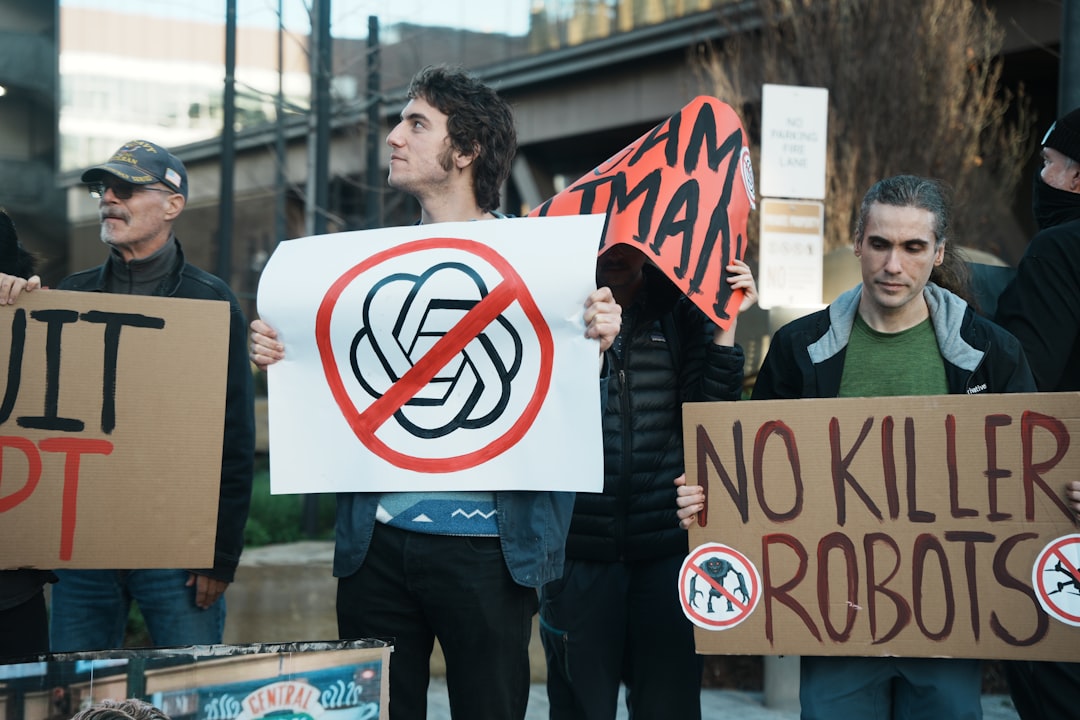
Ultimately, the question remains: how will AI labs balance the need for innovation with the imperative of safety? The outcome of this debate could shape the future of the industry, influencing everything from funding to regulatory practices. As the stakes continue to rise, the pressure on AI companies to demonstrate their commitment to safety will only intensify. Keeping a close eye on how these discussions unfold will be crucial for AI researchers and startup founders. The decisions made today will likely have lasting implications for the trajectory of AI development and its impact on society.
As the landscape evolves, the ongoing discussions around safety and innovation are likely to shape funding opportunities for AI startups. Investors may prioritize companies that demonstrate a commitment to ethical practices, potentially leading to a shift in how startups approach their development strategies.
Frequently Asked Questions
What does Zuckerberg’s stance mean for AI startups?
Career Ahead analysis shows that Zuckerberg’s emphasis on safety may lead to increased funding opportunities for startups that prioritize ethical practices. Startups that can demonstrate robust safety protocols are likely to attract more investment as concerns about AI risks grow.
The ongoing debate could result in clearer regulatory frameworks for AI development, influencing how companies approach safety and innovation.
How can AI researchers adapt to the focus on safety?
AI researchers should integrate safety considerations into their projects from the outset. By doing so, they can align with industry expectations and enhance their credibility, which may lead to better funding opportunities and collaboration prospects.

What are the long-term consequences of the AI safety debate?
You may also like
 AI & Technology
AI Searches Revolutionize Client Acquisition Strategies
Trustpilot's recent announcement about its AI-powered search capabilities reveals significant implications for tech companies in client acquisition. Marketing executives and business development managers must adapt…
Read More →The ongoing debate could result in clearer regulatory frameworks for AI development, influencing how companies approach safety and innovation. This may lead to a more structured environment for AI research, ultimately shaping the industry’s future.