Matternet CEO Raptopoulos Discusses Drone Delivery Innovations
Matternet CEO Andreas Raptopoulos highlights the transformative potential of drone delivery in logistics, emphasizing cost-effectiveness and environmental benefits in a recent podcast.
Drone delivery is gaining traction in the logistics sector. Matternet’s CEO, Andreas Raptopoulos, emphasizes the cost-effectiveness of this method on a recent podcast. He notes that as drone technology advances, it will become increasingly attractive for businesses. Raptopoulos explains that the return on investment for drone delivery is compelling, allowing companies to save on labor costs and significantly reduce delivery times. This shift could lead to a major transformation in how goods are transported.
As more companies explore drone delivery, the competitive landscape is changing. Businesses that adopt this technology early could gain a significant edge. The efficiency and speed of drones present a new frontier for logistics. Environmental benefits also play a role in the appeal of drone delivery, as Raptopoulos points out that drones can reduce carbon footprints compared to traditional delivery methods, aligning with the growing demand for sustainable practices in business.
Investment and Innovation in Drone Technology
Investment in drone technology is on the rise. Recently, SoftBank Robotics made a significant investment in Matternet, signaling confidence in the future of drone delivery. This funding will likely accelerate the development of Matternet’s autonomous drone networks. According to Raptopoulos, this investment will help scale operations and enhance the technology, aiming to create a seamless delivery experience that integrates with existing logistics systems. This innovation could redefine last-mile delivery.
Moreover, the collaboration with SoftBank could open new markets for Matternet. As demand for quick and efficient delivery grows, more companies may seek partnerships with drone technology providers, further driving advancements in the sector. As the industry evolves, regulatory frameworks will also need to adapt. Raptopoulos highlights the importance of working with regulators to ensure safe and efficient drone operations, which will be crucial for the widespread adoption of drone delivery.
This funding will likely accelerate the development of Matternet’s autonomous drone networks.
Despite its potential, drone delivery faces several challenges. One major concern is regulatory hurdles, as different countries have varying regulations regarding drone operations, complicating international expansion. Additionally, public acceptance remains a hurdle, with many people wary of drones flying overhead due to safety and privacy concerns. Raptopoulos acknowledges the need for education and outreach to build trust in drone technology.
Technical challenges also persist, as drones must navigate complex urban environments safely. Ensuring reliable delivery in all weather conditions is another significant obstacle that companies like Matternet must address. Finally, competition in the drone delivery space is intensifying; as more players enter the market, differentiation will be key. Companies must innovate continuously to stay ahead and meet consumer expectations.
Global Implications of Drone Delivery
The implications of drone delivery extend beyond individual companies, potentially reshaping global logistics networks. By reducing delivery times and costs, drone delivery may enhance supply chain efficiency. Moreover, various industries could benefit significantly; for instance, healthcare could see improvements from the rapid delivery of medical supplies. Raptopoulos mentions that drones can deliver essential items to remote areas, improving access to healthcare.
In the retail sector, faster delivery options could change consumer behavior, as customers increasingly expect quick fulfillment. This shift may force traditional retailers to adapt their logistics strategies. Furthermore, the environmental benefits of drone delivery could influence corporate sustainability efforts, driving a broader movement toward sustainable logistics solutions.
Context of Supply Chain Disruptions
The conversation around drone delivery is particularly relevant as the world grapples with supply chain disruptions exacerbated by the COVID-19 pandemic. Innovative solutions are needed, and drone technology offers a promising alternative that could alleviate some of these challenges. Raptopoulos notes that the return on investment for drone delivery is attractive today and is expected to become even more favorable as the industry scales, as discussed in a recent Bloomberg Intelligence podcast. For young professionals and entrepreneurs, understanding this shift is crucial, as the rise of drone delivery may create new job opportunities in technology, logistics, and regulatory compliance.
For young professionals and entrepreneurs, understanding this shift is crucial, as the rise of drone delivery may create new job opportunities in technology, logistics, and regulatory compliance.
Moreover, the emphasis on sustainability within the drone delivery model aligns with global trends. As businesses seek to reduce their environmental impact, drone delivery presents a viable option that resonates with younger generations prioritizing eco-friendly practices in their purchasing decisions.
The Future of Delivery
The future of delivery is evolving rapidly. With advancements in drone technology, the logistics landscape is set for transformation. Companies like Matternet are leading the charge, but challenges remain. As regulatory frameworks adapt and public acceptance grows, drone delivery could become mainstream. The potential for faster, more efficient delivery is enticing for both businesses and consumers, raising questions about the future of traditional delivery methods.
Will drone delivery become the norm in urban areas? As technology continues to advance, the answer may be yes. The next few years will be critical in determining how this industry unfolds. As companies invest and innovate, the logistics landscape will continue to shift, with implications felt across various sectors, creating both opportunities and challenges. The insights shared by Raptopoulos during his interview highlight the importance of staying informed about these developments, as they will shape the future of logistics and delivery systems worldwide.
Written by Career Ahead AI. AI can make mistakes, so verify key facts. Report errors to support@careeraheadonline.com.
Career Ahead AI is Career Ahead Magazine's in-house AI newsroom, reporting on careers, education, jobs and business. It produces original summaries and analysis drawn from publicly available sources, with those sources credited, and operates under the editorial oversight of the Career Ahead team. AI can make mistakes, so please tell us when something looks wrong. Corrections, copyright or takedown requests…
The US president raged at NATO allies over defense spending in meeting with the German chancellor, as Israel ordered its military to ‘advance’ in Lebanon
Esports has evolved from a hobby into a multi-billion dollar industry, offering diverse career paths beyond professional playing. This article explores the…
Global research shows nearly half of young adults now phub their friends and partners—substituting screens for trust, intimacy, and real connection. The…


 Entrepreneurship & Business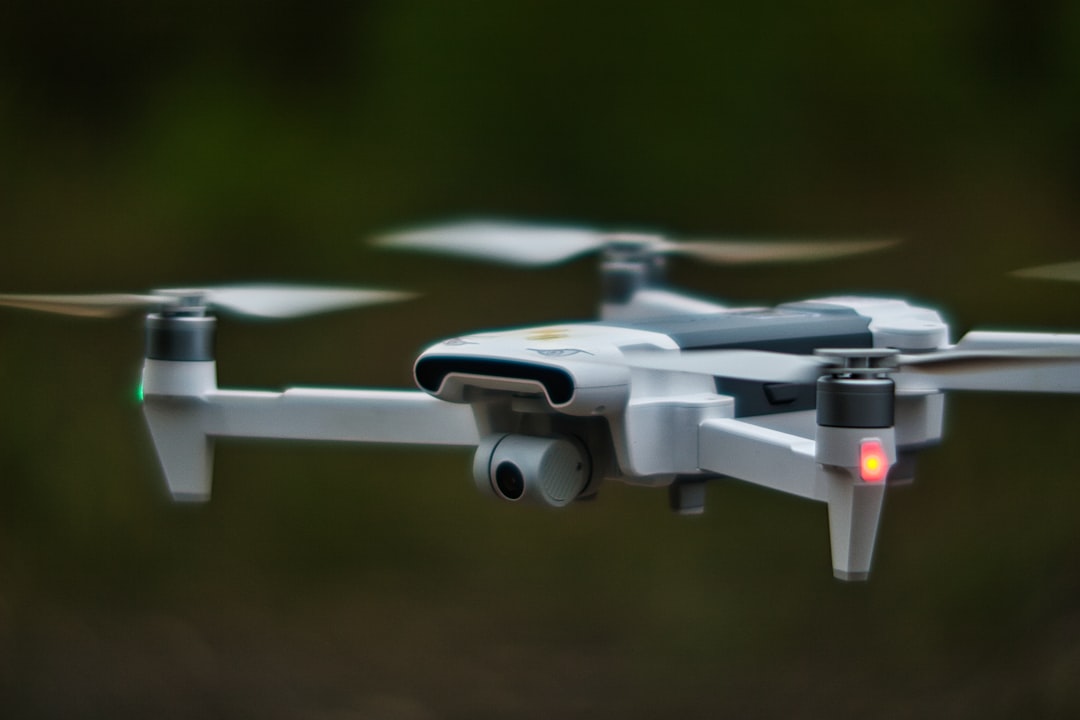

Industry & Global Trends






The US president raged at NATO allies over defense spending in meeting with the German chancellor, as Israel ordered its military to ‘advance’ in Lebanon