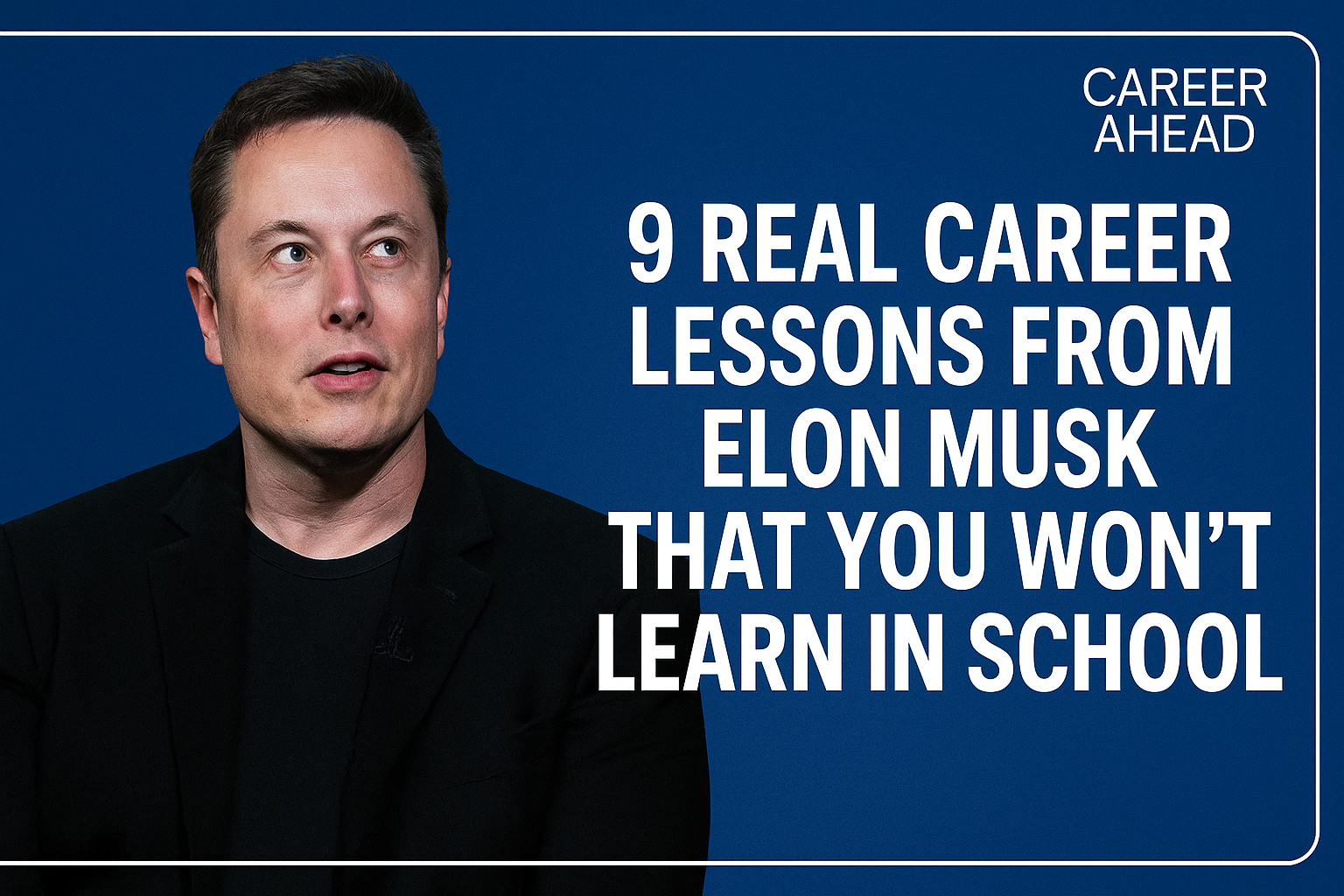
The ongoing trial between Elon Musk and OpenAI's leadership reveals significant tensions and the future of AI development. Discover the implications for the industry and the players involved.
The courtroom battle between Elon Musk and OpenAI’s leadership has captivated the tech world. This trial, which has drawn significant media attention, highlights the complex dynamics of power and ambition within the rapidly evolving artificial intelligence landscape. As Musk accuses OpenAI’s CEO Sam Altman and President Greg Brockman of breaching their agreement, the stakes have never been higher for both parties.
Musk claims that he was misled into donating $38 million to OpenAI under the premise that it would remain a nonprofit dedicated to developing AI for humanity. In contrast, Brockman has testified that Musk was actually a proponent of creating a for-profit arm of OpenAI. This contradiction sets the stage for a legal showdown that could redefine the future of AI development.
Financial Stakes and Industry Implications
Musk’s lawsuit not only seeks to remove Altman and Brockman from their positions but also aims for damages that could reach up to $134 billion. Such a financial burden could have profound implications for OpenAI, especially as it races towards a potential IPO valued at nearly $1 trillion. The outcome of this trial could determine whether OpenAI continues to thrive or faces severe setbacks.
According to MIT Technology Review, Musk’s motivations are under scrutiny, with some suggesting that his actions may stem from a desire to undermine a competitor to his own AI venture, xAI. This raises questions about the ethical implications of his lawsuit and whether it is genuinely about protecting OpenAI’s mission or more about personal rivalry and control.
Furthermore, the trial exposes the underlying tensions within the AI community regarding the balance between profit and ethical development. As AI continues to advance, the question of how to fund and govern these technologies becomes increasingly critical.
Shivon Zilis’ Testimony: A Key Turning Point
Shivon Zilis, a former OpenAI board member and Musk’s partner, provided crucial testimony that could sway the jury’s perception.
Razorpay's partnership with OpenAI to introduce ChatGPT Ads marks a significant shift in how Indian brands approach digital marketing. This move opens new avenues for…
Shivon Zilis, a former OpenAI board member and Musk’s partner, provided crucial testimony that could sway the jury’s perception. She revealed that Musk attempted to recruit Altman to lead a new AI lab at Tesla, indicating Musk’s intentions to establish a competitive edge in the AI race. This revelation not only highlights Musk’s ambition but also raises ethical questions about loyalty and conflict of interest within the tech industry.
Zilis’ testimony also sheds light on Musk’s shifting priorities regarding AI development. Initially, he was deeply involved with OpenAI, but as tensions grew, he pivoted towards building a rival AI lab at Tesla. This shift underscores the competitive nature of the AI landscape and the lengths to which Musk is willing to go to secure his position.
Moreover, Zilis’ dual role as both a board member at OpenAI and a close associate of Musk complicates the narrative. Her allegiance to both parties raises questions about transparency and trust, essential elements in the development of technologies that could impact society at large.
Contradictions and Conflicting Narratives
The trial has revealed stark contradictions in the narratives presented by Musk and OpenAI’s leadership. While Musk portrays himself as a guardian of ethical AI development, Brockman argues that Musk was never truly committed to maintaining OpenAI as a nonprofit. This ongoing debate reflects broader tensions within the tech industry regarding the commercialization of AI and its potential consequences.
According to AI Brief, the courtroom drama has also highlighted Musk’s personal motivations and how they intersect with his business interests. His desire for control over OpenAI’s direction suggests a deeper ambition to shape the future of AI in a way that aligns with his vision. This raises critical questions about the implications of individual power in the development of technologies that could affect millions.
Her allegiance to both parties raises questions about transparency and trust, essential elements in the development of technologies that could impact society at large.
Furthermore, the contrasting testimonies of Zilis and Brockman illustrate the complexities of personal relationships intertwined with professional ambitions. The courtroom is not just a battleground for legal claims but also a stage for revealing the intricate web of loyalties and rivalries that define the tech industry.
Implications for AI Governance and Ethics
The outcome of the Musk v. Altman trial could have lasting implications for the future of AI development. If Musk’s claims succeed, it may set a precedent for how tech companies navigate the balance between profit and ethical considerations. Such a shift could reshape the landscape of AI, with potential ramifications for innovation and public trust.
Moreover, the trial has sparked discussions about the governance of AI technologies. As AI becomes increasingly integrated into society, the need for clear ethical guidelines and accountability mechanisms is paramount. This case could serve as a catalyst for establishing more robust standards to ensure that AI development aligns with societal values.
As the tech industry reflects on the lessons learned from this legal battle, the importance of transparency, ethical considerations, and the potential consequences of unchecked ambition will be central to shaping the future of AI.
Written by Career Ahead AI. AI can make mistakes, so verify key facts. Report errors to support@careeraheadonline.com.
Career Ahead AI is Career Ahead Magazine's in-house AI newsroom, reporting on careers, education, jobs and business. It produces original summaries and analysis drawn from publicly available sources, with those sources credited, and operates under the editorial oversight of the Career Ahead team. AI can make mistakes, so please tell us when something looks wrong. Corrections, copyright or takedown requests…
Modern banking is no longer just about financial services—it is increasingly a technology industry powered by infrastructure, artificial intelligence, and regulation. In…
Golden Visas are evolving fast—from Portugal’s policy shift to the UAE’s merit-based model. For Indians exploring global mobility, this 2025 guide compares…


Entrepreneurship & Business

Entrepreneurship & Business