No products in the cart.

McDonald’s to take on KFC and rivals as Gen Z flock to fried chicken

With chicken sales growing at twice the rate of beef, McDonald's CEO Chris Kempczinski noted that the company’s current share of the chicken market is in the "high teens." The chain is not only

McDonald’s is making a strategic move to expand its share of the global chicken market as it aims to appeal to Gen Z consumers who are increasingly favoring fried chicken. The fast food giant announced its intention to capture an additional 1.5 percentage points of the chicken market by 2030, a significant shift in its product offerings. This announcement comes amid rising beef prices and changing consumer preferences, particularly among younger diners.
With chicken sales growing at twice the rate of beef, McDonald’s CEO Chris Kempczinski noted that the company’s current share of the chicken market is in the “high teens.” The chain is not only focusing on chicken but also plans to enhance its beverage sales by the same margin. As competition heats up with established players like KFC and newer entrants like Popeyes, McDonald’s is positioning itself to leverage its brand loyalty and operational capabilities to gain market share. This strategic pivot is not just a reaction to market trends but also a proactive approach to redefine its menu and attract a younger demographic.
Understanding the Shift Towards Chicken Among Gen Z
The trend towards chicken consumption, particularly among younger consumers, is evident in recent market research. In the UK, for instance, 39% of consumers used chicken shops in 2025, with Gen Z usage hitting 52%, nearly matching pizza outlets at 56%. This demographic shift indicates a preference for fried chicken that fast food chains cannot ignore. The rising popularity of chicken can be attributed to several factors, including health perceptions and price competitiveness.
Peter Backman, an independent food service industry analyst, emphasized that chicken is perceived as a healthier option than beef, making it more appealing to health-conscious consumers. Additionally, the rising cost of beef, which has increased by more than 20% in the US and UK over the past two years, has made chicken a more attractive and affordable alternative for many diners. This economic pressure is likely to drive even more consumers towards chicken-focused menus. As noted by The Guardian, McDonald’s is not alone in this shift; competitors like Domino’s Pizza are also diversifying their menus to include more chicken offerings, acknowledging the changing tastes of consumers.
Moreover, the cultural significance of fried chicken, particularly in the context of social media and food trends, cannot be overlooked. Gen Z is known for its engagement with food content online, often sharing their dining experiences on platforms like Instagram and TikTok. This trend has led to a surge in popularity for visually appealing chicken dishes, which are likely to resonate with younger audiences. As chicken shops continue to proliferate, the fast food landscape is poised for significant changes, with traditional burger chains needing to adapt or risk losing market share.
As chicken shops continue to proliferate, the fast food landscape is poised for significant changes, with traditional burger chains needing to adapt or risk losing market share.
Competitive Landscape and Menu Innovations
The competitive landscape of the fast food industry is rapidly evolving as chains adjust their menus to capture the attention of younger consumers. KFC, for instance, has long dominated the fried chicken market, but with McDonald’s increasing its focus on chicken, the competition is expected to intensify. KFC’s established brand presence and loyal customer base present a formidable challenge for McDonald’s as it seeks to carve out its share of the chicken market. The Guardian highlights that McDonald’s current strategy is not merely about adding chicken to its menu; it is about redefining its identity in a market that is increasingly valuing chicken as a primary protein source.
McDonald’s strategy to enhance its chicken offerings is indicative of a broader trend within the quick service restaurant (QSR) sector. Many chains are diversifying their menus to include more chicken dishes, recognizing that consumer preferences are shifting away from traditional beef burgers. This trend is not just limited to fast food; casual dining establishments are also exploring chicken-centric menus to cater to changing tastes. The competitive pressure is further compounded by the rise of specialized chicken shops that appeal directly to younger consumers, who are seeking out unique and flavorful options.
In addition to menu innovations, marketing strategies will play a pivotal role in how these chains communicate their new offerings. Fast food brands need to highlight the quality and sourcing of their chicken products, as consumers are increasingly interested in where their food comes from and how it is prepared. Transparency in sourcing and preparation methods can enhance brand trust and loyalty among consumers, particularly Gen Z, who prioritize ethical consumption. As the competition heats up, McDonald’s must also consider its pricing strategy. With chicken being a lower-priced protein, offering competitive pricing on new chicken items can attract cost-conscious consumers. However, maintaining profitability while offering lower-priced options will require careful planning and execution.
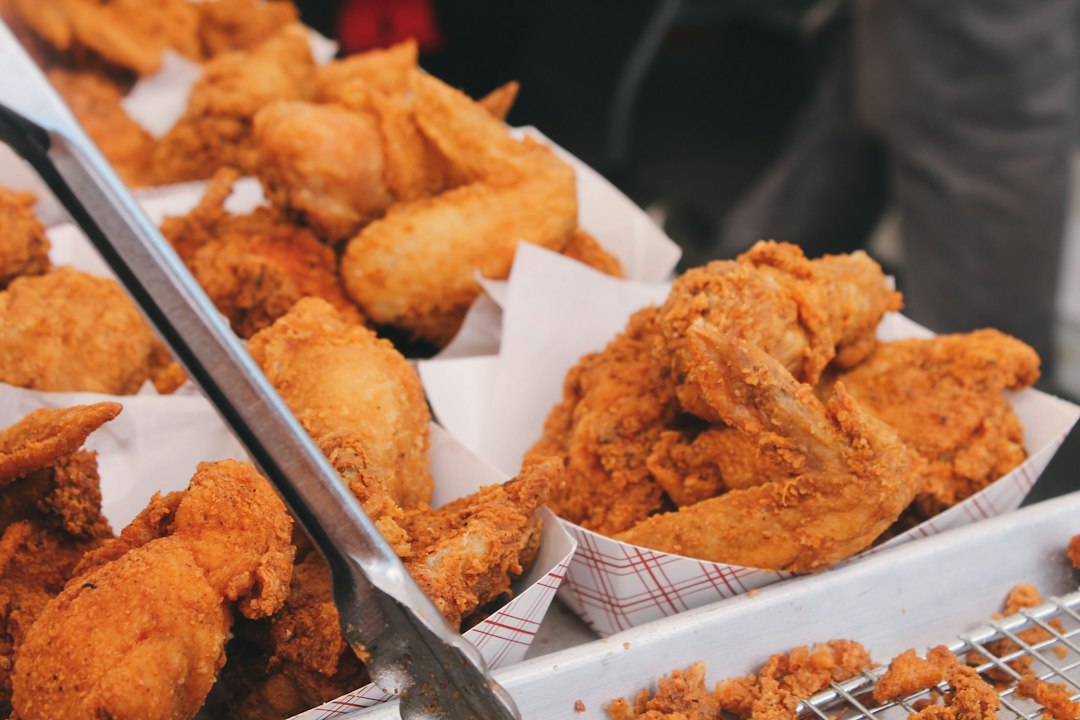
Overall, the shift towards chicken presents both opportunities and challenges for McDonald’s and its competitors. As the market evolves, staying attuned to consumer preferences and responding swiftly will be crucial for success in this dynamic environment. As McDonald’s embarks on this ambitious chicken strategy, the fast food industry will be watching closely. The outcome of this shift could redefine competitive dynamics, particularly in how brands engage with younger consumers and adapt to changing market conditions. Will McDonald’s be able to successfully leverage its operational strengths to challenge KFC’s dominance, or will the established player maintain its lead in the chicken market?
Marketing Strategies for Engaging Gen Z
As McDonald’s ramps up its chicken offerings, marketing professionals in the fast food industry must consider how to effectively communicate these changes to attract younger consumers. Engaging marketing campaigns that resonate with Gen Z’s values and preferences will be crucial. This could involve leveraging social media platforms and influencers that are popular with this demographic, ensuring that the messaging aligns with their lifestyle and food choices. Additionally, the introduction of innovative menu items that cater to the tastes of Gen Z can bolster McDonald’s position in the market. By offering unique flavor profiles and healthier options, McDonald’s can differentiate itself from competitors and create a buzz around its new chicken products.
Frequently Asked Questions
What marketing strategies can fast food brands use to attract Gen Z?
Fast food brands can leverage social media and influencer marketing to connect with Gen Z consumers. Engaging campaigns that resonate with their values and lifestyle are crucial for attracting this demographic.
Marketing Strategies for Engaging Gen Z As McDonald’s ramps up its chicken offerings, marketing professionals in the fast food industry must consider how to effectively communicate these changes to attract younger consumers.
How is the fried chicken trend affecting product development in QSR?
The fried chicken trend is driving many QSR chains to diversify their menus to include chicken dishes. This shift reflects changing consumer preferences, particularly among younger diners who favor chicken over beef.
What should marketing professionals in fast food consider about Gen Z preferences?
Marketing professionals should focus on transparency in sourcing and preparation methods, as Gen Z consumers prioritize ethical consumption. Additionally, innovative menu items that cater to their tastes can help attract this demographic.
Written by Career Ahead AI. AI can make mistakes, so verify key facts. Report errors to support@careeraheadonline.com.