The feature nudges users toward healthier habits, but its real impact will depend on how Meta balances wellbeing with ad revenue.
The Rise of Social Media Addiction
Social media addiction is a growing concern. A 2023 Britannica review found that 31% of U.S. adults admit to using social media “almost constantly,” leading to sleep loss, mood swings, and anxiety. The World Health Organization has classified gaming disorder as a mental health condition, prompting calls to treat compulsive scrolling similarly.
Understanding the Roots of Social Media Addiction

Endless scrolling, algorithmic feeds, and the dopamine hit of likes keep users glued. Cognitive scientists say the brain learns to expect rapid rewards, making it hard to disengage. This has led to reduced attention spans and impaired memory consolidation, according to a 2024 Frontiers review.
The Consequences of Inaction
If platforms ignore the problem, individuals may face chronic anxiety, lower productivity, and strained relationships. A 2022 study cited by Britannica showed a 12% rise in reported depressive symptoms among heavy social-media users. Regulators are watching, and investors are restless; BlackRock’s 2025 ESG report warned that poor user-health metrics could depress stock performance.
Understanding the Roots of Social Media Addiction Meta’s “Take a Break” Puts a Pause on Addiction Endless scrolling, algorithmic feeds, and the dopamine hit of likes keep users glued.
Meta’s Response: “Take a Break” Feature
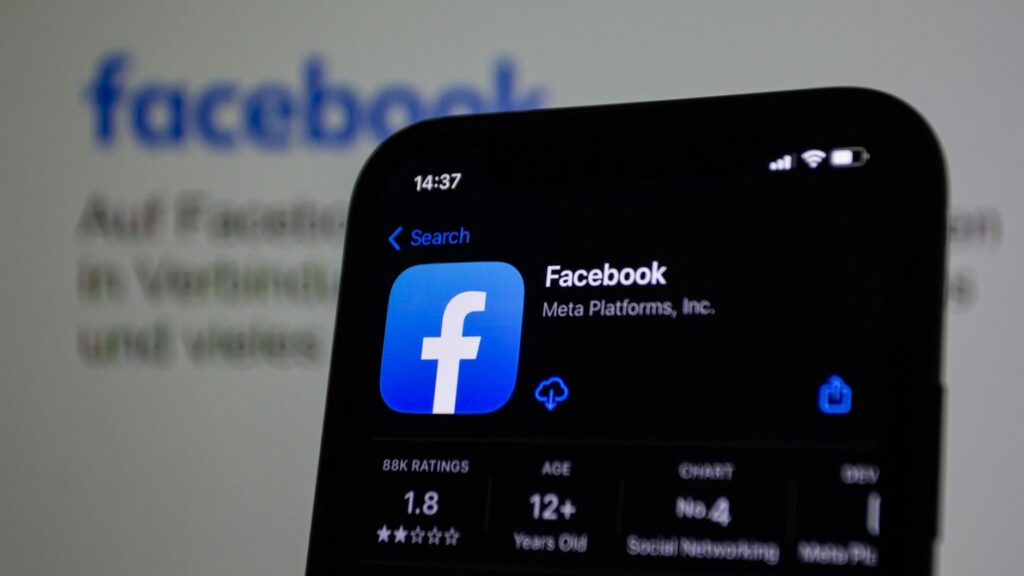
In October 2025, Meta rolled out “Take a Break” to Instagram and Facebook users in 15 countries. The tool lets users set daily limits, mute notifications, or schedule forced log-outs. Early feedback is mixed, with some users finding it helpful and others bypassing it with a simple app restart.
Meta frames the feature as part of a broader “digital wellbeing” push that includes screen-time dashboards and mental-health resources. The company claims 8% of beta testers reduced their average daily use by 22% within two weeks. However, independent researchers caution that self-reported data may overstate effectiveness.
Will “Take a Break” Make a Difference?
The tool’s future rests on three factors: enforcement, integration with ad pricing, and iteration. If Meta tightens the limit so users cannot simply override it, the habit-breaking potential rises. Advertisers may push back if reduced scroll time cuts impressions, and experts predict that algorithms will adapt, offering “micro-breaks” that feel less intrusive while still curbing binge use.
If Meta succeeds, other platforms may adopt similar controls, reshaping the industry’s approach to user health. Failure could reinforce the narrative that wellbeing features are cosmetic, prompting stricter regulation. For job seekers, the shift opens roles in ethical product design, data-privacy compliance, and mental-health tech.
 AI & Technology
Meta’s AI Tools Action 5.3 Million Child Exploitation Content in India
Meta Platforms has taken significant steps to combat child exploitation online, acting on 5.3 million pieces of child sexual exploitation content in India and 33.2…
Read More →The tool’s future rests on three factors: enforcement, integration with ad pricing, and iteration.
In short, “Take a Break” is a promising first step, but its power to curb addiction will be tested by Meta’s willingness to sacrifice short-term engagement for long-term trust.
Written by Career Ahead AI. AI can make mistakes, so verify key facts. Report errors to support@careeraheadonline.com.