


Clear labels will become law, and the brands that ignore them risk fines, lost partnerships, and a damaged reputation.
EU Regulations Redefine Sponsorship Deals
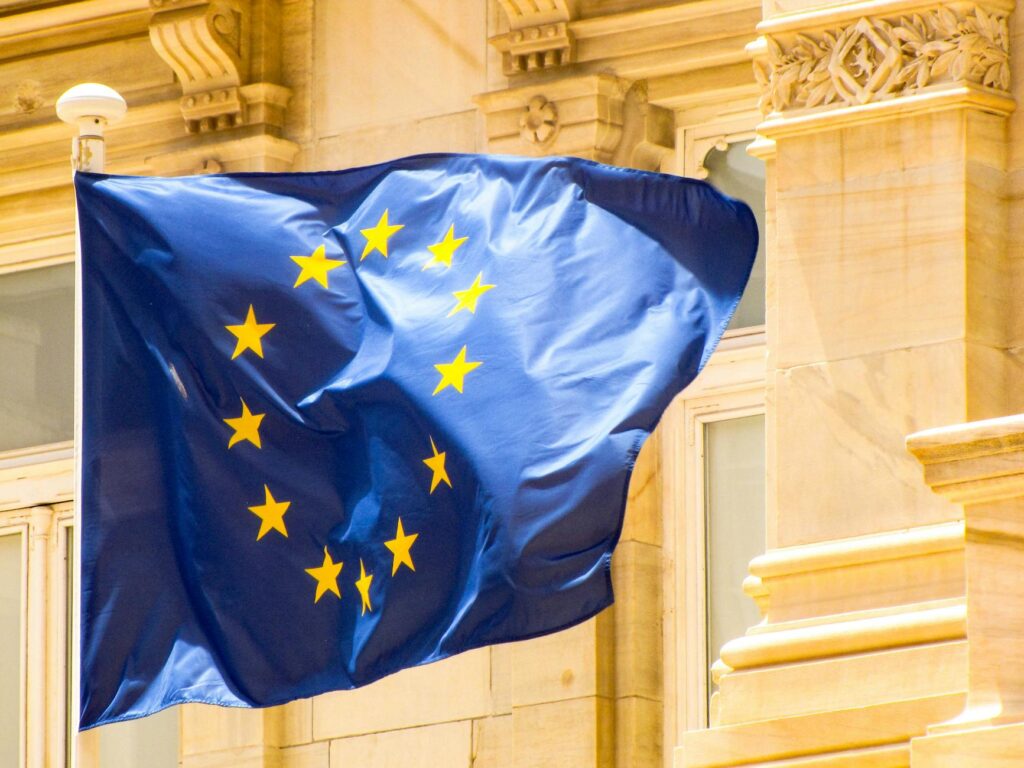
The European Commission announced on April 12, 2024, that every paid post reaching 10 million EU users must carry a standardized “#ad” label. Failure to comply can result in fines of up to €50,000 per breach. The rule applies to influencers worldwide, as long as their audience is EU-based.
TikTok’s UK head, Maya Hussein, warned creators that the platform will auto-detect unlabeled content and flag accounts for non-compliance within weeks of rollout. Instagram has already piloted a “Paid Partnership” badge that will become mandatory under the new law.
The Rise of Social Media Influencers
Influencer marketing now accounts for 15% of Europe’s digital ad spend, a figure that jumped from 5% in 2019. Brands such as L’Oréal and H&M have invested heavily in campaigns that rely on a single post’s reach. However, the sector has long operated in a gray zone, with 68% of creators admitting to blurring the line between organic and paid content.
TikTok’s UK head, Maya Hussein, warned creators that the platform will auto-detect unlabeled content and flag accounts for non-compliance within weeks of rollout.
Consequences of Non-Compliance
For influencers, the risk of non-compliance is two-fold. A fine can quickly dwarf the earnings from a single post, and reputation suffers. A 2023 case where a French fashion blogger was fined €30,000 for undisclosed brand ties led to a 40% drop in follower count within three months.
Brands are not insulated from the risks. The European Commission warned that companies that knowingly work with non-compliant creators could be fined up to 10% of their annual EU turnover.
Adapting to the New Regulatory Environment

Influencers are reshaping their workflows to comply with the new rules. Many have hired compliance consultants or partnered with agencies that specialize in “sponsor-clear” content. Brands are auditing their influencer contracts and introducing transparency clauses to ensure compliance.
Opportunities for Creators
The “True-Voice” program, backed by the European Consumer Organisation (BEUC), awards a “Transparency Badge” to influencers who consistently disclose sponsorships and undergo quarterly audits. Influencers who earn the badge have reported a 12% uplift in engagement, as followers cite “trust” as a key driver.
 AI & Technology
Global trade retools for post‑Cold War realignment
This analysis dissects the mechanisms, systemic implications, and stakeholder impacts that define.
Read More →The European Commission warned that companies that knowingly work with non-compliant creators could be fined up to 10% of their annual EU turnover.
Outlook: The Future of Social Media Influencer Marketing
The EU’s transparency mandate is likely to become a template for other jurisdictions. The UK’s Competition and Markets Authority announced plans to adopt similar labeling rules by early 2025. In the long run, clearer disclosure could rebuild consumer confidence and lead to innovation in the industry.
Written by Career Ahead AI. AI can make mistakes, so verify key facts. Report errors to support@careeraheadonline.com.





