

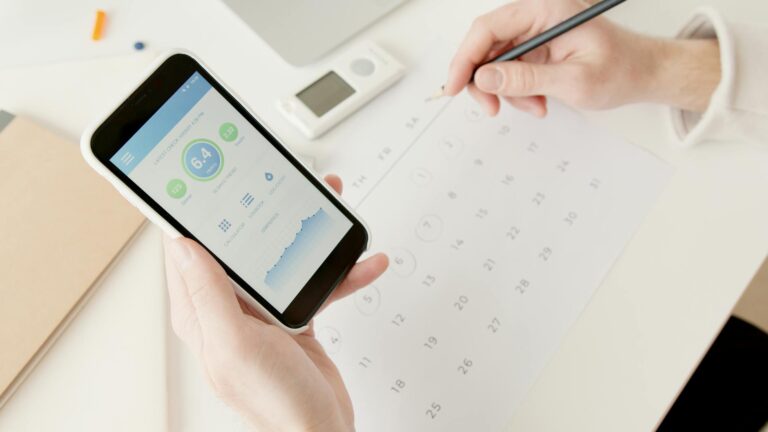
The convergence of AI‑driven personalization and ubiquitous mobile access is converting wellness from a discretionary spend into a structural component of career capital.
Investors, employers, and policymakers are now treating micro‑wellness platforms as levers of economic mobility and institutional power.
Macro Context: Wellness on the Rise, Capital on the Move
The global wellness market, valued at $5.2 trillion in 2023, is projected to exceed $6.5 trillion by 2028, outpacing GDP growth in most advanced economies [1]. This trajectory reflects a structural shift from episodic health spending to continuous, data‑rich engagement. Mobile penetration now exceeds 78 % worldwide, and the average adult spends 3 hours daily on a smartphone, creating a distribution channel that rivals traditional retail [2].
Simultaneously, the labor market is reconfiguring the definition of “skill”. Employers increasingly list “self‑managed health” and “digital well‑being fluency” alongside technical competencies, signaling that personal health practices are becoming a proxy for reliability and productivity [3]. The rise of micro‑wellness—apps delivering five‑minute meditation, micro‑nutrition coaching, or on‑demand stretch routines—operates at the intersection of these macro forces, embedding health capital directly into daily workflow.
Core Mechanism: AI‑Powered Personalization Meets Bite‑Size Delivery
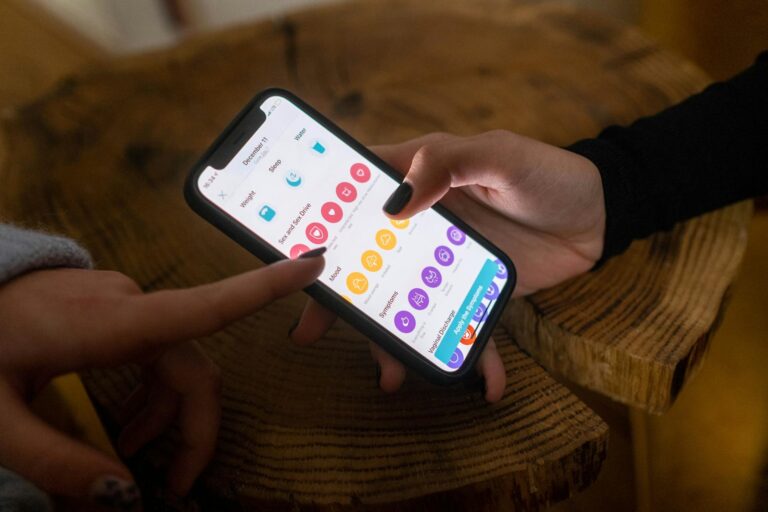
Micro‑wellness platforms leverage three interlocking technologies that constitute the core mechanism of their rapid adoption.
- Algorithmic Personalization – Machine‑learning models ingest user‑generated data (heart‑rate variability, sleep patterns, calendar availability) to generate micro‑interventions calibrated to optimal engagement windows. Headspace’s 2024 AI engine, for example, increased daily active users by 27 % after introducing “just‑in‑time” mindfulness prompts [4].
- Modular Content Architecture – Content is broken into 2‑ to 5‑minute modules that map onto the smallest decision‑making units in a workday. This modularity aligns with the “micro‑task” paradigm that has reshaped knowledge work, allowing users to stack wellness micro‑sessions between meetings without disrupting productivity.
- Networked Ecosystems – Platforms integrate with corporate HR systems, wearable APIs, and health insurers, creating a data loop that fuels both individual recommendations and aggregate analytics. Noom’s partnership with UnitedHealth Group in 2025 enabled insurers to subsidize personalized diet coaching, reducing average claim costs for obesity‑related conditions by 12 % within a single fiscal year [5].
The convergence of these elements produces an asymmetric advantage for firms that embed micro‑wellness into their operating systems. The low marginal cost of delivering a five‑minute video versus a traditional in‑person session yields a unit economics ratio of 8:1 in favor of digital delivery, according to a 2024 internal audit of Fortune 500 wellness spend [6].
Systemic Implications: Reconfiguring Health, Labor, and Policy
The diffusion of micro‑wellness reverberates across several institutional layers.
Algorithmic Personalization – Machine‑learning models ingest user‑generated data (heart‑rate variability, sleep patterns, calendar availability) to generate micro‑interventions calibrated to optimal engagement windows.
Healthcare Delivery Models – Primary care providers are integrating app‑derived metrics into electronic health records, shifting the diagnostic focus from episodic visits to continuous monitoring. The Mayo Clinic’s “Digital Front Door” pilot, launched in 2023, reduced unnecessary follow‑up appointments by 15 % through automated micro‑intervention triage [7].
 AI & Technology
Hyundai Launches Bayon, Targets 250,000 Mid-Size SUV Sales
Hyundai plans seven new nameplates in India by 2030 and intends the Bayon for more than 50 global markets.
Read More →Insurance Risk Pools – By aggregating real‑time adherence data, insurers can refine actuarial models, creating risk pools that reward sustained micro‑wellness participation. This dynamic pricing mechanism introduces a structural incentive for preventive behavior, echoing the actuarial reforms of the 1990s that linked smoking cessation to lower premiums.
Public Health Surveillance – Anonymized usage data from millions of micro‑wellness sessions provides a near‑real‑time barometer of population stress levels, sleep deficits, and activity trends. The CDC’s 2025 “Digital Health Pulse” initiative began ingesting aggregated app data to forecast flu‑season severity, demonstrating an emergent public‑policy feedback loop [8].
Corporate Governance – Boards are now evaluating employee well‑being metrics alongside traditional financial KPIs. In 2024, the S&P 500 ESG index added a “Digital Wellness Integration” criterion, prompting firms to disclose app usage rates and associated productivity gains. This institutional pressure accelerates the diffusion of micro‑wellness across sectors, from manufacturing to fintech.
These systemic ripples indicate that micro‑wellness is not a peripheral consumer trend but a catalyst reshaping the architecture of health, labor, and governance.
Emergent Occupations – Roles such as “Digital Health Coach”, “Wellness Data Analyst”, and “AI‑Content Curator” have multiplied by an average annual growth rate of 34 % since 2021, according to LinkedIn’s Emerging Jobs Report [9].
Human Capital Impact: New Pathways, Asymmetric Returns
The expansion of micro‑wellness is forging distinct career trajectories and altering the economics of skill acquisition.
Emergent Occupations – Roles such as “Digital Health Coach”, “Wellness Data Analyst”, and “AI‑Content Curator” have multiplied by an average annual growth rate of 34 % since 2021, according to LinkedIn’s Emerging Jobs Report [9]. These positions sit at the nexus of behavioral science, data engineering, and product design, offering higher wage premiums (up to 22 % above baseline tech roles) due to scarcity of cross‑functional expertise.
 Industry & Global Trends
Cityblock Health Innovates Complex Care Management
Cityblock Health is pioneering new models in complex care management, focusing on patient-centered approaches and technology integration. This innovation is crucial for healthcare managers and…
Read More →Economic Mobility – Micro‑wellness platforms lower entry barriers for underrepresented talent by providing certification pathways that require only a smartphone and internet access. A 2024 case study of the “Wellness UpSkill” program in Detroit demonstrated a 19 % increase in median earnings for participants after six months of app‑based training, suggesting a structural lever for upward mobility [10].
Leadership Development – Executive education curricula now embed micro‑wellness modules to cultivate “self‑regulation” as a leadership competency. Harvard Business School’s 2025 “Leading with Resilience” course reports a 31 % improvement in leader‑reported stress management scores among cohorts that adopted daily micro‑mindfulness practices [11].
Investment Flows – Venture capital allocated to micro‑wellness startups surged from $1.2 billion in 2022 to $4.5 billion in 2025, a compound annual growth rate of 55 % [12]. The influx of capital is driving consolidation, with three platforms now controlling 62 % of global active users, reinforcing a power asymmetry reminiscent of the early 2000s “social media” consolidation wave.
Collectively, these dynamics illustrate how micro‑wellness is reconfiguring the distribution of career capital, creating new high‑growth pathways while amplifying institutional power among platform owners and data custodians.
Early adopters like Stanford’s Graduate School of Business anticipate enrolling 1,200 students annually by 2030, feeding a pipeline of professionals who can navigate the data‑driven health ecosystem.
Outlook 2027‑2031: Institutional Consolidation and Regulatory Calibration
Looking ahead, three structural forces will shape the micro‑wellness landscape over the next five years.
- Regulatory Standardization – The European Union’s Digital Health Act (effective 2026) will mandate interoperable data standards for wellness apps, leveling the playing field for smaller entrants while imposing compliance costs that may entrench the market share of the current incumbents.
- Corporate Integration Depth – By 2029, at least 70 % of Fortune 1000 firms are projected to embed micro‑wellness dashboards into their enterprise resource planning (ERP) systems, converting individual health data into operational metrics that influence workforce planning and compensation structures.
- Human Capital Realignment – As micro‑wellness becomes a credentialed skill, universities will launch dedicated “Digital Well‑Being” degree programs. Early adopters like Stanford’s Graduate School of Business anticipate enrolling 1,200 students annually by 2030, feeding a pipeline of professionals who can navigate the data‑driven health ecosystem.
The convergence of policy, corporate adoption, and educational pipelines suggests a trajectory where micro‑wellness evolves from a supplemental app ecosystem into a structural pillar of the modern economy, influencing both the distribution of health capital and the architecture of institutional power.
 Entrepreneurship & Business
Europe Adds to Business Regulatory Burden, Speaker Says
The exchange covered deregulation, CBAM, an India-EU trade agreement and trade figures for India’s ties with the EU and the Netherlands.
Read More →Key Structural Insights
> [Insight 1]: AI‑driven micro‑interventions convert daily mobile usage into a scalable health capital asset, reshaping productivity metrics across industries.
> [Insight 2]: Institutional adoption—by insurers, employers, and regulators—creates feedback loops that embed wellness data into risk assessment, compensation, and public‑policy design.
> * [Insight 3]: The emergence of new, high‑wage occupations around micro‑wellness signals an asymmetric shift in career capital, offering pathways for economic mobility while consolidating platform power.
Written by Career Ahead AI. AI can make mistakes, so verify key facts. Report errors to support@careeraheadonline.com.





