No products in the cart.

Micron’s Sales Forecast Signals Major Growth

Micron's latest sales forecast reveals a significant surge in demand for memory chips, driven by the AI industry. This trend is reshaping job opportunities and skill requirements for semiconductor engineers, data center managers, and AI researchers.

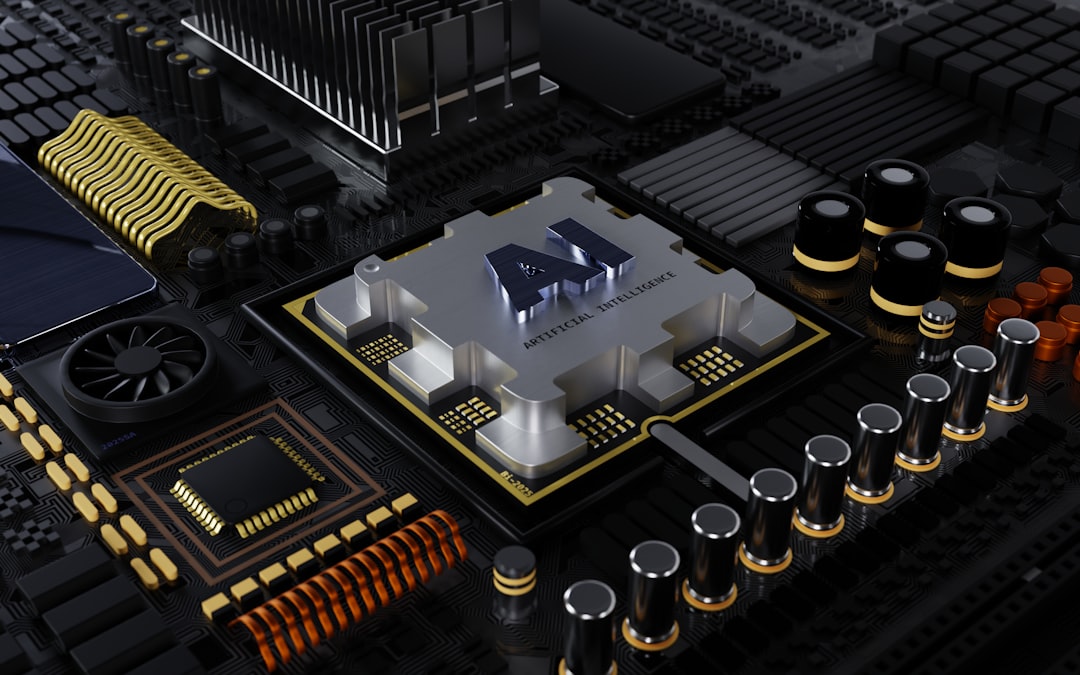
Micron Technology recently shared a sales forecast that surpassed Wall Street’s expectations. This growth is due to a strong demand for memory chips driven by artificial intelligence (AI) applications. Following this announcement, Micron’s shares rose about 13%, highlighting the increasing importance of AI in the semiconductor market. This forecast shows Micron’s strong performance and hints at new job opportunities and skill needs in the semiconductor industry.
The rise of AI applications has led to an unprecedented demand for memory chips. These chips are crucial for processing large datasets and running complex AI models. Micron’s forecast suggests that this demand will keep growing as AI technologies integrate into sectors like automotive, healthcare, and finance. Consequently, semiconductor companies are increasing hiring to meet this demand.
Increased Hiring in Semiconductor Firms
As AI transforms industries, companies like Micron are hiring more workers. Career Ahead’s analysis shows that Micron’s forecast has triggered a wave of recruitment to fill key roles in engineering, design, and manufacturing. There is a particular need for engineers focused on AI-related hardware optimization to develop chips that handle AI workloads efficiently.
Bain & Company reports that the demand for skilled semiconductor engineers will rise by 25% over the next three years. This growth is largely due to the expansion of AI technologies. Other semiconductor firms are also hiring to take advantage of the AI boom. Many companies are offering attractive salaries and benefits to attract skilled professionals.
Career Ahead research points out a skills gap in the semiconductor workforce. Many engineers lack the advanced skills needed for AI hardware design and optimization. This gap poses a challenge for companies that want to innovate and stay competitive. There is an urgent need for training programs to equip engineers with the necessary skills in this evolving field.
Besides hiring, companies are investing heavily in research and development. They aim to create advanced technologies that support AI applications. This investment is vital for maintaining a competitive edge and meeting market demands.
Career Ahead research points out a skills gap in the semiconductor workforce.
Investment in Data Center Infrastructure
You may also like
 Industry & Global Trends
India’s Resilience Shines Through Economic Disruptions
Malhotra’s comments come at a time when many economies are grappling with inflationary pressures and market volatility.
Read More →The demand for AI technologies is also driving major investments in data center infrastructure. As organizations adopt AI solutions, the need for efficient data centers is growing. Micron’s forecast highlights this trend as companies enhance their data processing capabilities for AI workloads.
Data center managers now face the challenge of scaling operations to handle the increasing data generated by AI applications. This requires more hardware and improvements in energy efficiency and cooling solutions. A report from Reuters states that investments in data center technology will exceed $100 billion over the next five years as companies strive to meet AI demands.
Career Ahead analysis shows that this investment is creating new roles for data center managers, especially those skilled in AI integration and optimization. As data centers evolve, managers must implement systems that efficiently handle increased workloads while ensuring reliability and security.
Moreover, the shift towards AI-driven data processing is prompting a reevaluation of existing infrastructure. Many organizations are upgrading their data centers with advanced technologies like edge computing and cloud solutions to boost performance and reduce latency. This transition is expected to create more job opportunities for IT professionals skilled in these new technologies.
Implications for AI Researchers
The implications of Micron’s forecast go beyond semiconductor engineers and data center managers. AI researchers are also impacted by this shift. As demand for AI applications grows, researchers must consider how hardware capabilities affect their work. The performance of AI models relies heavily on the underlying hardware, making collaboration with hardware engineers essential for optimizing algorithms for specific chip architectures.
This transition is expected to create more job opportunities for IT professionals skilled in these new technologies.
Career Ahead’s analysis indicates that AI researchers need to stay updated on semiconductor technology advancements. This knowledge will help them leverage the full potential of their models. Researchers must understand the specifications of new memory chips and how to use them to enhance model performance. They may also need to develop new methodologies that align with the latest hardware capabilities.
You may also like
 Industry & Global Trends
India’s Wind Turbine Manufacturers Push for Export Incentives
India's wind turbine sector is advocating for export-linked incentives to enhance competitiveness against foreign manufacturers, emphasizing the need for local manufacturing support to improve the…
Read More →Additionally, the focus on AI applications may shift research funding towards projects with clear commercial viability. This could lead to increased competition for grants, as institutions prioritize research that meets industry needs. AI researchers will need to be strategic in their proposals to secure funding and support.

As the semiconductor industry adapts to AI demands, collaboration between hardware engineers and AI researchers will become crucial. This partnership will drive innovation and ensure that developed technologies are cutting-edge and practical for real-world applications.
The future of the semiconductor job market is closely linked to the demand for AI technologies. Micron’s forecast signals a continued surge in this area. Professionals in the semiconductor industry must prepare for a rapidly changing landscape. Those who can adapt will find themselves at the forefront of a growing field.
Professionals in the semiconductor industry must prepare for a rapidly changing landscape.
Frequently Asked Questions
What skills do semiconductor engineers need to meet AI demand?
Semiconductor engineers should develop expertise in AI hardware optimization, including chip architecture and design knowledge. Understanding AI algorithms and their interaction with hardware is crucial for success in this evolving field.
How can data center managers prepare for increased AI workloads?
Data center managers should upgrade infrastructure to support AI applications. This includes investing in advanced hardware and energy-efficient solutions. Collaborating with AI specialists will help optimize data center operations for AI workloads.

What should AI researchers consider when choosing hardware for their projects?
AI researchers should evaluate memory chips and processors’ specifications and capabilities to ensure efficient model performance. Understanding hardware limitations and strengths will help researchers optimize their algorithms.
You may also like
 Industry & Global Trends
Sterlite Tech, HFCL Surge 5% Amid US-China Tensions
Shares of Sterlite Technologies and HFCL rose by 5% each following reports of a potential US ban on Chinese data center equipment imports, aimed at…
Read More →