


AI‑driven code review can slash defects 30 % at scale, but it still needs seasoned eyes to keep the ship steady.
The Problem with Code Review at Scale
Azure’s core services team tested Microsoft’s new AI-powered code reviewer on 1.2 million lines of code, reducing defects by 30% from 1,845 to 1,285. The team saw faster pull-request turnaround and fewer hot-fixes in production.
Traditional review cycles rely on manual triage, which can lead to missed defects due to human fatigue. Engineers spend hours scanning diff files and hunting for edge-case bugs that automated linters miss.
The Challenge of AI-Generated Code
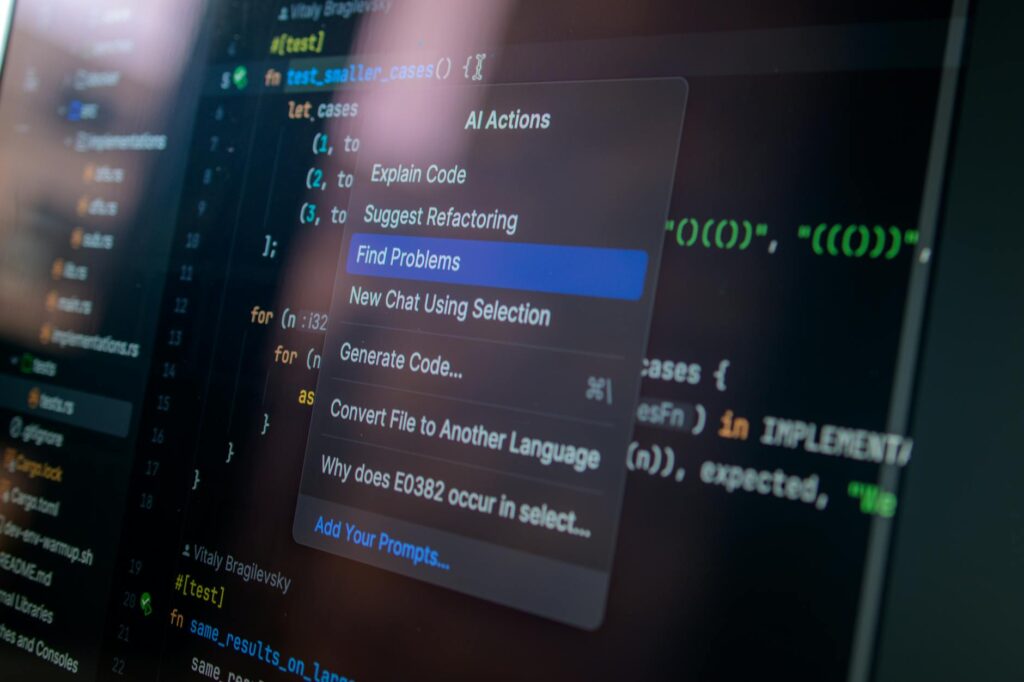
Large language models can now draft boilerplate, data-access layers, and complex algorithms on demand. However, the output can be syntactically correct but subtly flawed, requiring a review process that matches the speed of generation.
The Context of AI-Powered Code Review Microsoft reports over 1,000 customer stories where AI tools have reshaped development workflows.
Large-scale testing at fintech firms confirms the gap. In stress tests that simulate a quarter-million daily commits, manual review pipelines stalled, causing deployment delays and rollback incidents.
The Context of AI-Powered Code Review
Microsoft reports over 1,000 customer stories where AI tools have reshaped development workflows. Start-up Augment Code has built a platform that layers AI suggestions on top of GitHub pull requests, promising “human-in-the-loop” oversight.
However, many developers remain skeptical about AI reliability, citing concerns that AI may embed hidden security flaws, especially when models are trained on public codebases riddled with legacy bugs.
The Stakes of Inefficient Code Review
A single critical bug can cost a company millions in downtime, regulatory fines, and brand damage. Inefficient review pipelines increase the likelihood of such outages.
When AI-generated code bypasses senior scrutiny, the risk escalates. Belitsoft’s findings show that teams without experienced reviewers see a 15% rise in security vulnerabilities within three months of adopting AI code assistants.
Microsoft’s Response with AI-Powered Code Review
Microsoft’s new tool, built on the Azure OpenAI Service, combines static analysis with a large language model fine-tuned on Microsoft’s own code corpus. It flags risky patterns, suggests safer alternatives, and ranks findings by confidence level.
 AI & Technology
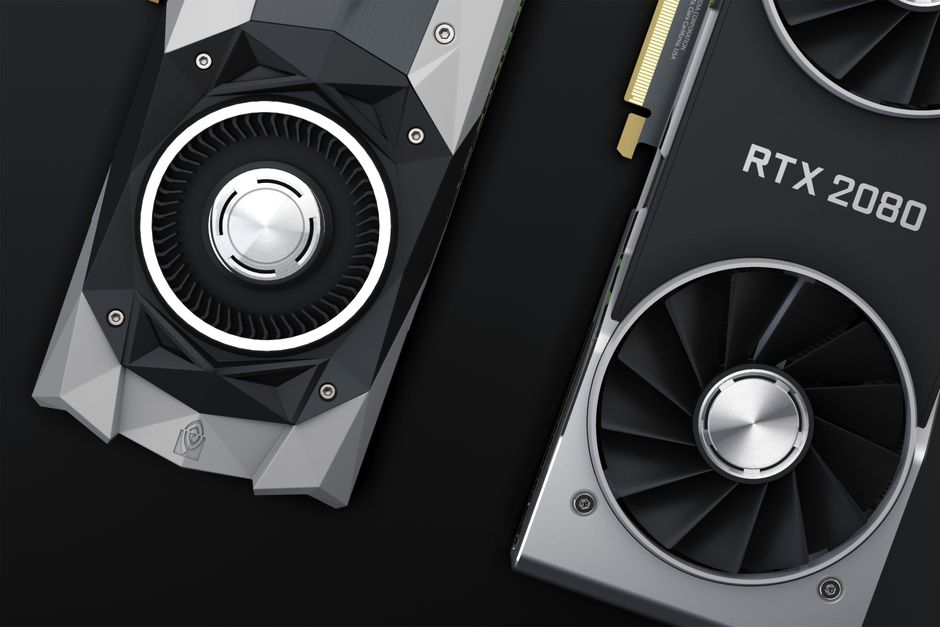
Microsoft Unveils AI-Optimized PCs with Nvidia Technology
Microsoft has unveiled new PCs powered by Nvidia's RTX Spark chip and an updated Windows 11, enhancing AI capabilities for developers and researchers. This shift…
Read More →The Stakes of Inefficient Code Review Microsoft’s AI Code Reviewer Cuts Bugs by One‑Third in Enterprise Tests A single critical bug can cost a company millions in downtime, regulatory fines, and brand damage.
In internal large-scale testing, the system identified 1,200 potential defects that manual reviewers missed, cutting the overall bug count by 30%. The tool also auto-generates concise remediation notes, cutting average review time from 45 minutes to 18 minutes per pull request.
The Outlook for AI-Powered Code Review
Industry analysts predict that AI code review tools will capture 45% of the enterprise market by 2028, driven by the twin pressures of code velocity and quality demands. Human oversight will remain essential; the consensus is that AI will handle “low-level” pattern detection while senior engineers tackle design and security strategy.
Adoption curves are steepening. Augment Code reports a 60% month-over-month increase in trial sign-ups after Microsoft’s public benchmark was released.
Written by Career Ahead AI. AI can make mistakes, so verify key facts. Report errors to support@careeraheadonline.com.





