No products in the cart.

Military Leaders Face Political Pressures
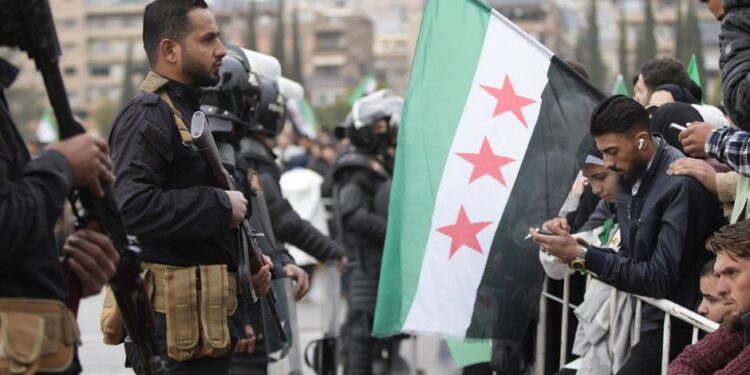
Military leaders are grappling with the challenge of maintaining autonomy amid political pressures from President Trump. This situation raises critical questions about the balance of power between military leadership and political authority, with significant implications for defense strategies and national security.

Military leaders are currently debating whether to resist political pressures from President Trump. This discussion has gained traction after recent events that blur the lines between military authority and political influence. The outcome of this dilemma could reshape U.S. defense policy.
The tension between military leaders and political figures is not new. Historically, military leaders have navigated complex relationships with civilian authorities. Recent talks have emphasized this dynamic, especially given Trump’s style of governance. The debate centers on whether military leaders should prioritize their oath to the Constitution over direct orders from the President.
The Debate on Military Autonomy
As President Trump has made controversial decisions, military leaders find themselves in a tough spot. The ethical implications of following orders that conflict with their judgment and the Constitution are significant. Research from resistance-journal.org shows that military leaders often face challenges that test their autonomy, especially in politically charged situations.
When orders appear politically motivated, military leaders must consider the consequences of compliance against their duty to uphold democratic values. This internal conflict can have serious repercussions for both the military and national security. For instance, if military leaders resist unlawful or unethical orders, they risk disciplinary actions that could undermine their authority and the military’s integrity.
Career Ahead’s analysis shows that this situation mirrors past instances where military leaders resisted political pressures, such as during the Vietnam War. These examples highlight the critical role military leaders play in balancing civilian control and military effectiveness.
These examples highlight the critical role military leaders play in balancing civilian control and military effectiveness.
Moreover, the implications of military resistance to presidential orders extend to defense policy analysts. Understanding the history of military resistance can shed light on current dynamics between military leadership and political authority. Analysts must consider how past events influence present-day actions.
Impact of Political Decisions on Military Strategy
Political decisions greatly influence military strategy. When military leaders face pressure to act against their better judgment, the risk of strategic miscalculations rises. The Hill emphasizes that military leaders should prioritize national interests and ethical considerations over political motivations for a stable defense posture.
Political pressures can also impact the morale and cohesion of military units. If soldiers believe their leaders act on political whims rather than strategic needs, trust in military leadership can erode. This loss of trust can have long-term effects on military effectiveness and national security. Career Ahead research highlights that keeping military operations separate from political agendas is crucial for maintaining military integrity.
Additionally, the current political climate has prompted calls for greater transparency and accountability within the military. Analysts argue that military leaders should communicate their decision-making processes more openly to reduce risks from political pressures. This transparency can build public trust and support for military actions, reinforcing the military’s role as a professional and apolitical entity.
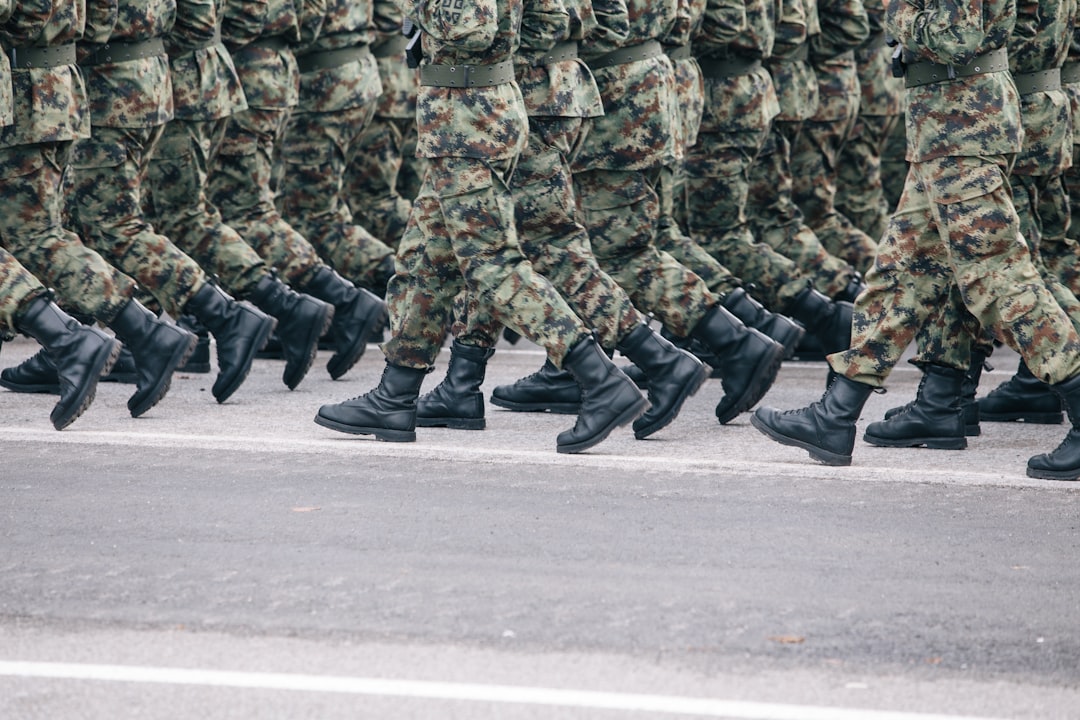
This transparency can build public trust and support for military actions, reinforcing the military’s role as a professional and apolitical entity.
The historical context of military resistance to political figures reveals patterns that can inform current practices. For example, during the Cold War, military leaders often clashed with political directives that compromised strategic goals. By examining these precedents, military leaders today can better navigate political influences while protecting their operational integrity.
Looking Ahead: The Future of Civil-Military Relations
The debate over military autonomy continues, leaving the future of civil-military relations uncertain. The dynamics between military leaders and political authorities will likely change as the political landscape evolves. Military leaders must adapt to these changes while remaining committed to their constitutional duties.
In the near future, we may see more discussions about the role of military leaders in shaping defense policy. As public scrutiny of military actions increases, leaders will need to navigate these pressures carefully. The potential for political influence to shape military strategy could lead to calls for reforms that reinforce the separation between military and political spheres.
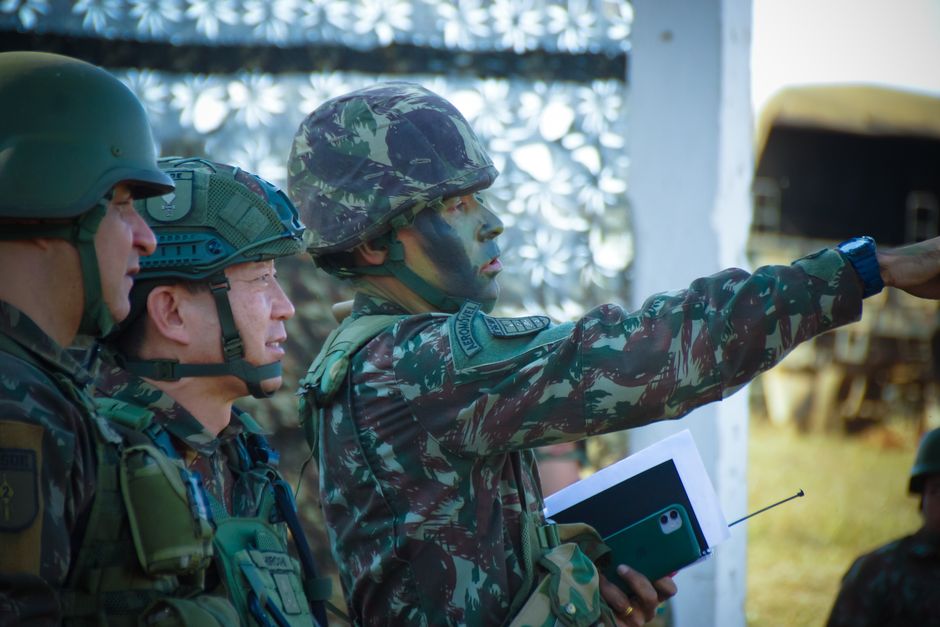
Ultimately, the question of whether military leaders should resist political pressures will remain a key issue in U.S. defense policy. As the military navigates its role in a politically charged environment, the implications of these decisions will resonate throughout the defense community and beyond. Ongoing dialogue between military leaders and political figures will be crucial for ensuring the military can effectively fulfill its mission while upholding democratic principles.
Frequently Asked Questions
What does military resistance to presidential orders mean for national security?
Career Ahead analysis shows that military resistance to presidential orders can lead to major shifts in national security strategy. If military leaders prioritize ethical considerations over political directives, it may result in more stable and effective defense policies.
This analysis helps identify patterns and inform future strategies that balance military effectiveness with political realities.
How can defense policy analysts assess the impact of political influence on military decisions?
Defense policy analysts can evaluate political influence by examining historical precedents and current military actions. This analysis helps identify patterns and inform future strategies that balance military effectiveness with political realities.
What should military leaders consider when faced with political pressure?
Military leaders must weigh the ethical implications of their decisions against the potential consequences of complying with political orders. Staying committed to constitutional principles is essential for preserving the integrity of military operations.
Related Articles
- Gautam Adani meets Karnataka CM
Written by Career Ahead AI. AI can make mistakes, so verify key facts. Report errors to support@careeraheadonline.com.