No products in the cart.

Mumbai College Faces Final-Year Result Discrepancies

Students at Kirti College in Mumbai are protesting significant discrepancies in their final-year exam results, which have raised concerns about their academic futures and job prospects. The college administration attributes these issues to a technical glitch during a system upgrade, but many students feel their concerns are being overlooked.

Mumbai, India — Students at Kirti College are worried about problems with their final-year exam results. Many students were marked absent for exams they attended. Others were declared failed despite passing their backlog exams. This issue arose after the college switched to a new service provider, leaving students anxious about graduation and job opportunities.
On May 27, 2026, Kirti College announced its final-year results, but the aftermath has been troubling. Students reported administrative errors due to a technical glitch during the data migration to a new ERP system. The college administration has admitted these errors and is working to fix them, but many students feel abandoned.
Technical Glitches and Their Consequences
The technical issues at Kirti College have caused anger among students. They worry about how these discrepancies will impact their academic futures. Some students were marked absent in exams they attended, while others were wrongly marked as failed in their ATKT (Allowed to Keep Terms) exams. This situation has led to immediate action from student groups, with the All-India Students’ Federation (AISF) stepping in to help.
Aamir Kazi, the AISF Mumbai president, stressed that educational institutions must prioritize students’ interests. He said, “Students cannot be made victims of administrative negligence.” This highlights the need for accountability within the college’s management. The principal of Kirti College, Anil Markandeya, explained that the recent switch to a new ERP system caused the glitch, affecting students with backlogs more than those without pending exams. According to a report by the Times of India, the college claims it is issuing corrected results, but some discrepancies remain unresolved, causing ongoing frustration among students.
As the college starts issuing corrected results, students still face uncertainty. Many have visited the college multiple times to resolve their issues, only to find their problems unresolved. This ongoing distress affects their graduation eligibility and job prospects. Many students rely on these results to secure employment. The Free Press Journal noted that the college’s autonomous status means it conducts its own exams, complicating the resolution process as students navigate administrative channels.
Career Ahead’s analysis shows that discrepancies in exam results can impact students’ futures.
Career Ahead’s analysis shows that discrepancies in exam results can impact students’ futures. With many final-year students preparing for job applications, delays in resolving these issues could hurt their chances in a competitive job market. Companies often require proof of graduation during hiring, and discrepancies could raise red flags.
Students’ Rights and Recourse in Academic Disputes
Students facing discrepancies in their exam results have specific rights and options for recourse. According to University Grants Commission (UGC) guidelines, students can request a review of their results if they believe there has been an error. Many colleges have grievance redressal mechanisms to address such issues, allowing students to formally appeal their results.
At Kirti College, students are encouraged to approach the administration with their grievances. The college has promised to manually verify results and issue corrections where needed. However, the effectiveness of these measures is still uncertain, as many students report unresolved issues. The AISF’s involvement shows the importance of collective action in addressing academic disputes. When students unite to advocate for their rights, they can pressure educational institutions to take their concerns seriously. This solidarity is crucial in ensuring institutions uphold their responsibility to protect students’ interests.
As the situation unfolds, it is vital for students to stay informed about their rights and available processes. Engaging with student organizations can provide support and resources during this challenging time. Awareness of grievance mechanisms can empower students to take action and seek the resolutions they deserve. The ongoing protests organized by the AISF demonstrate the power of collective student action in demanding accountability from the college administration.
How this situation is handled could set a precedent for managing similar issues in the future, influencing current and prospective students’ perceptions of the college.
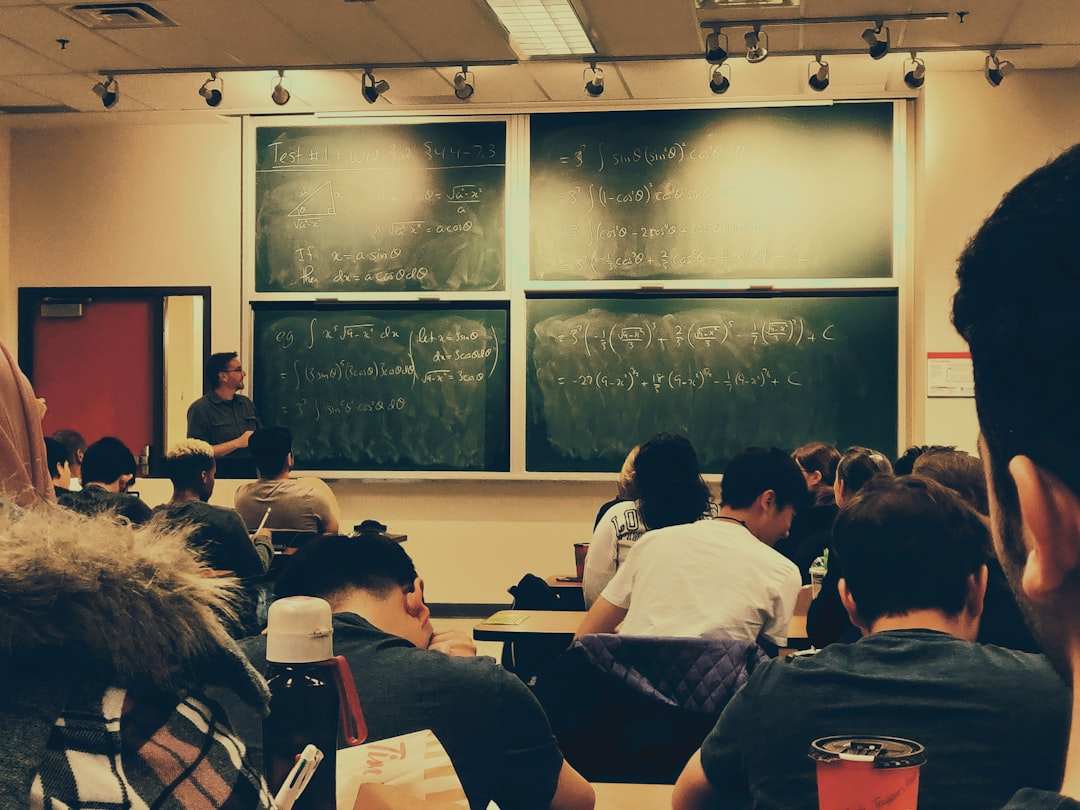
As Kirti College navigates this crisis, the administration’s response will be closely watched. The college’s ability to address these discrepancies will impact not only the affected students but also its reputation moving forward. How this situation is handled could set a precedent for managing similar issues in the future, influencing current and prospective students’ perceptions of the college.
The ongoing discrepancies in exam results at Kirti College have serious implications for students’ future job opportunities. As the job market becomes more competitive, having a clear and accurate academic record is crucial for securing positions. Employers often scrutinize candidates’ academic achievements, and discrepancies could raise concerns about a candidate’s reliability and attention to detail.
Career Ahead’s research indicates that students with unresolved discrepancies may find themselves at a disadvantage in the job market. Many companies have strict hiring timelines, and delays in resolving academic issues could mean missing out on job openings. This is particularly concerning for final-year students who feel pressure to secure employment before graduation. Additionally, the credibility of the institution affects how discrepancies are perceived by employers. If a college is known for administrative errors, it could impact the overall perception of its graduates. This situation highlights the need for accurate academic records and robust systems to prevent such issues in the future.
As Kirti College works to fix the situation, students and graduates will be watching closely. Resolving these discrepancies will impact individual students and the college’s reputation. How the administration handles this crisis could set a precedent for future incidents and shape students’ experiences for years to come.
Looking ahead, resolving these discrepancies and the college’s response will be critical. Will Kirti College restore trust among its students and ensure such issues do not happen again? The answers to these questions will have lasting implications for both the affected students and the institution itself.
Final-year students should formally approach their college administration to report discrepancies in their results.
Frequently Asked Questions
What steps should final year students take if their results are disputed?
Final-year students should formally approach their college administration to report discrepancies in their results. They can also seek support from student organizations like the All-India Students’ Federation to advocate for their rights.
How can discrepancies in exam results affect job applications for final year students?
Discrepancies in exam results can raise concerns for employers regarding a candidate’s reliability. Students may miss out on job opportunities if their academic records are not accurate or resolved in a timely manner.
What recourse do students have for resolving grading disputes with their college?
Students can request a review of their results through their college’s grievance redressal mechanism. Engaging with student organizations can also provide additional support in navigating these disputes.
Written by Career Ahead AI. AI can make mistakes, so verify key facts. Report errors to support@careeraheadonline.com.