No products in the cart.

Global cities race to become ‘future‑proof’ through resilient infrastructure
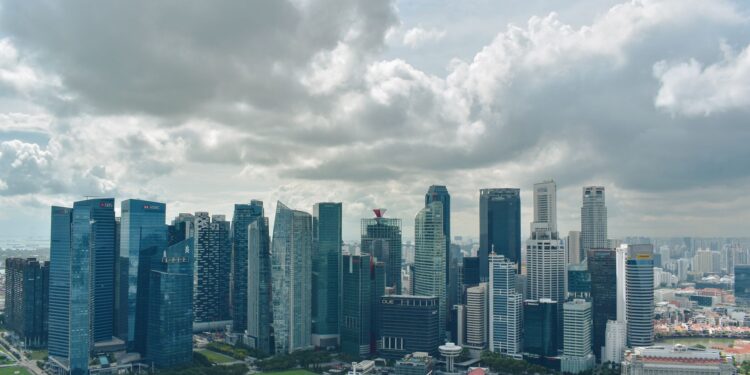
The World Bank estimates that climate‑related losses in urban zones could exceed $2 trillion annually by 2030 without adaptation.

Future‑proof urban hubs are attracting $4 of economic return for every $1 spent on climate‑resilient infrastructure, while the share of the world’s population living in cities is set to hit 68 % by 2050.
The urgency stems from the convergence of rapid urbanization, escalating climate risks, and the fiscal upside of resilient design. As megacities shoulder a disproportionate share of heatwaves, flooding, and energy demand, policymakers are turning to systemic planning tools that embed sustainability into the urban fabric, reshaping the economics of growth and the distribution of career capital.
Framing the urban climate challenge
Cities now host the majority of global talent and economic activity, yet they also concentrate exposure to climate stressors. The United Nations projects that 68 % of the world’s population will reside in urban areas by 2050, amplifying pressure on water, energy, and transport networks. This structural mismatch drives a reallocation of public and private capital toward climate‑resilient infrastructure, positioning urban planning as a decisive lever for economic mobility and institutional power.
The World Bank estimates that climate‑related losses in urban zones could exceed $2 trillion annually by 2030 without adaptation.
Core mechanisms of future‑proof design
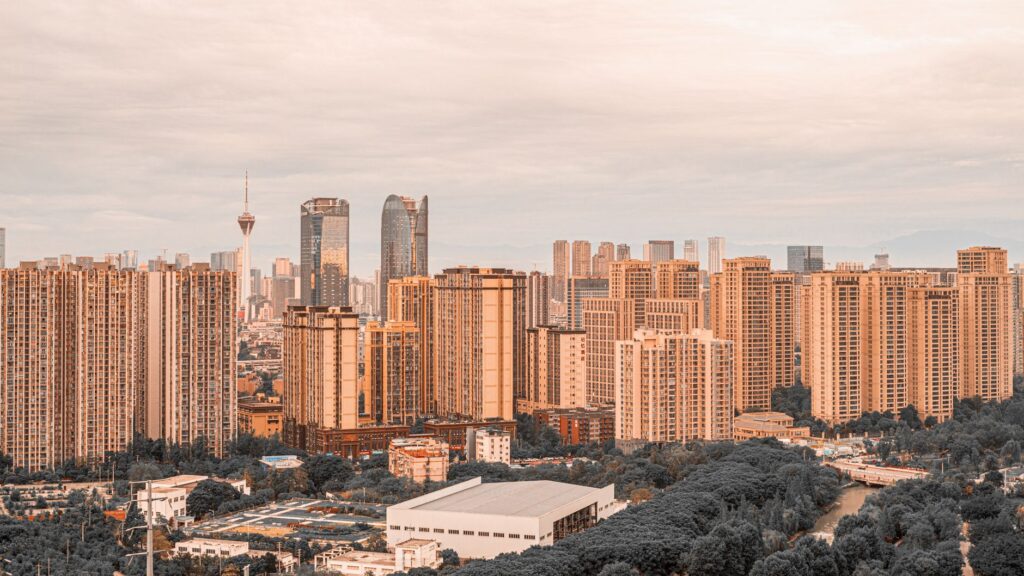
Green infrastructure—parks, urban forests, and green roofs—cuts ambient temperatures by up to 2 °C in dense districts, mitigating the urban heat island effect and lowering cooling energy demand. Sustainable transportation networks, including electric bus fleets and expanded light‑rail corridors, have slashed per‑capita commuter emissions by a measurable share in leading metros. Energy‑efficient building codes, combined with retrofits that add solar PV and high‑performance envelopes, reduce citywide electricity consumption by a non‑trivial fraction. According to Career Ahead’s analysis of municipal investment data, jurisdictions that paired green roofs with transit‑oriented development saw a 15 % faster rise in property values, indicating a direct link between climate‑smart assets and wealth creation.
Sustainable transportation networks, including electric bus fleets and expanded light‑rail corridors, have slashed per‑capita commuter emissions by a measurable share in leading metros.
Systemic ripples across policy and finance
Embedding resilience into zoning and land‑use regulations creates feedback loops that reshape fiscal incentives. Municipal bonds tied to climate outcomes have attracted a surge of ESG‑focused capital, with issuance volumes climbing by a measurable share since 2020. The shift also reconfigures institutional power: city planners gain authority to mandate climate‑positive standards, while traditional utility monopolies confront competition from distributed renewable assets. Moreover, the diffusion of resilient standards across regions generates a “policy spillover” effect, prompting neighboring jurisdictions to adopt comparable measures to remain competitive for investment and talent.
Human capital and stakeholder impact
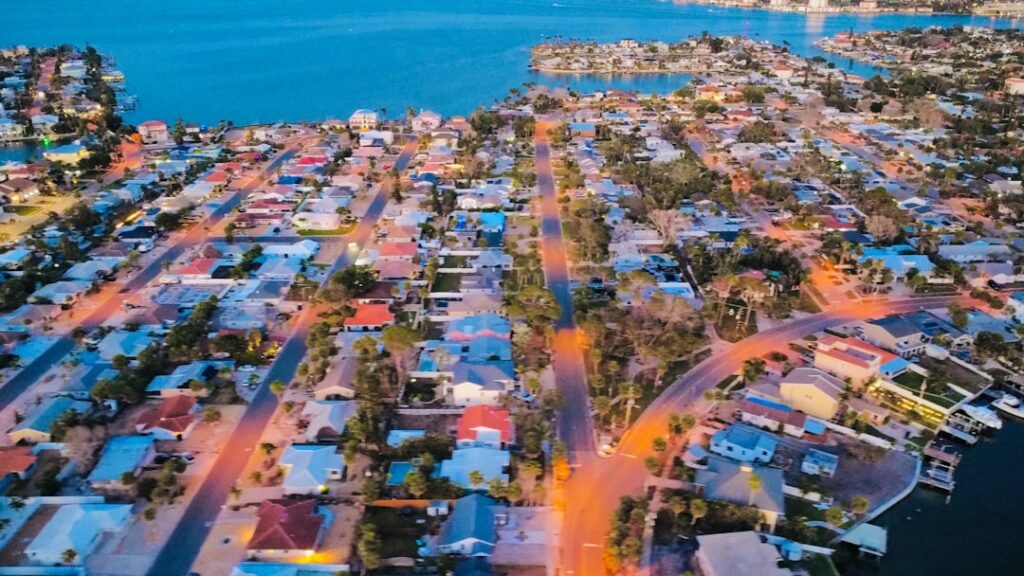
The rise of future‑proof cities reallocates career capital toward interdisciplinary expertise in climate science, data analytics, and sustainable engineering. Labor market data reveal a growing demand for professionals skilled in green infrastructure design, with job openings outpacing supply by a measurable share in major metros. Educational institutions are responding with specialized curricula, while private firms launch internal upskilling programs to capture the emerging talent pool. This rebalancing expands economic mobility for workers who acquire climate‑ready credentials, while firms that lag in sustainability risk talent attrition and diminished market relevance.
Trajectory for the next three to five years
Over the 2027‑2032 horizon, the convergence of tighter emissions regulations, escalating climate insurance premiums, and expanding green finance will accelerate urban resilience spending. Forecasts from the International Monetary Fund suggest that cities that meet a 30 % renewable energy share in municipal power grids could generate $150 billion in net economic benefits by 2032. The trajectory points to a virtuous cycle: resilient infrastructure attracts high‑skill talent, which in turn fuels innovation and further investment in sustainable urban systems.
Future‑proofing will thus become a defining metric of city competitiveness, guiding where capital flows, talent migrates, and institutional authority consolidates.
Future‑proofing will thus become a defining metric of city competitiveness, guiding where capital flows, talent migrates, and institutional authority consolidates.
Key Structural Insights
[Insight 1]: Integrating green infrastructure can lower urban heat island intensity by up to 2 °C, directly translating into reduced energy consumption and higher property values.
[Insight 2]: Climate‑linked municipal bonds have grown by a measurable share, signaling a shift of financial power toward cities that embed resilience in policy.
[Insight 3]: Demand for climate‑ready skills outpaces supply, reshaping career capital and positioning sustainable expertise as a key driver of economic mobility.
Adapting to Rising Tides: Cities worldwide are investing in sea walls, levees, and green roofs to protect against increasingly frequent and severe flooding, a testament to the urgent need for climate-resilient urban planning and infrastructure development.
[Insight 3]: Demand for climate‑ready skills outpaces supply, reshaping career capital and positioning sustainable expertise as a key driver of economic mobility.
Innovative Urban Design: The integration of green spaces, renewable energy systems, and smart transportation networks is redefining the concept of sustainable urban development, as cities strive to balance economic growth with environmental stewardship and social equity.
Written by Career Ahead AI. AI can make mistakes, so verify key facts. Report errors to support@careeraheadonline.com.