No products in the cart.

Mumbai Implements Water Rationing Amid 12-Year Low June Rainfall, Schools Face Immediate Constraints
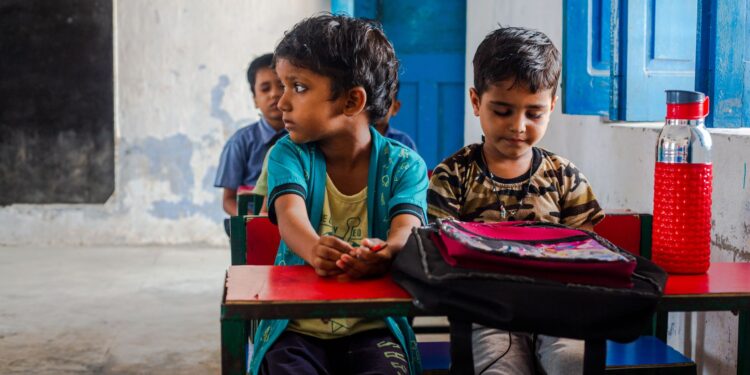
Mumbai’s municipal water board began citywide water rationing on 15 June 2026, limiting water-intake periods and hygiene facilities in schools after June rainfall hit a 12-year low.

Mumbai’s municipal water board began mandatory rationing on 15 June 2026 after June rainfall fell to its lowest level since 2014. The measures limit water-intake periods and reduce hygiene-facility availability in public and private schools across the city.
The Brihanmumbai Municipal Corporation (BMC) announced water-rationing measures on 15 June 2026, citing a June monsoon total of 48 mm— the lowest recorded for the month in twelve years [3]. The rationing applies citywide, affecting households, businesses, construction sites, and educational institutions.
The BMC, the municipal authority responsible for water supply, issued the directive after consulting its water-resource department and the Maharashtra State Water Supply and Sewerage Board [1]. Public and private schools were instructed to curtail water-intake windows to two-hour blocks per day and to limit the operation of showers and drinking-water stations. The city’s 7.5 million students and their teachers are subject to the new schedule [1].
Scope of the Rationing Measures
The rationing plan reduces the volume of water allocated to residential complexes, commercial establishments, and construction projects by 30 percent compared with the previous month [3]. In schools, the BMC’s notice requires principals to post daily water-availability timetables at entry points and to suspend non-essential water-using activities such as field-trip washing stations and laboratory flushes [1].
Both government-run schools and privately managed institutions reported adjustments to classroom schedules to accommodate the shortened water-intake periods. The BMC’s water-distribution control center monitors flow rates in real time and can impose additional restrictions if reservoir levels drop below 35 percent of capacity [4].
The municipal board also directed that all school sanitation facilities operate on a reduced-flow basis, installing low-flow taps where feasible. Maintenance crews are tasked with inspecting plumbing for leaks weekly to prevent water loss [1].
Teachers report that the limited water availability has required modifications to physical-education drills and science-lab experiments that rely on running water [2].
Immediate Effects on Students and Educators
You may also like
 News
NewsHHS Proposes Overhaul of Head Start Regulations, Targeting Expanded Access and New Health Standards
Department of Health and Human Services announced a proposed rule to revise federal guidelines for the Head Start early‑education program.
Read More →Students in grades K-12 now have access to drinking water for only two designated periods each day, typically scheduled before the first and after the last class [1]. Teachers report that the limited water availability has required modifications to physical-education drills and science-lab experiments that rely on running water [2].
School administrators indicate that the reduced water supply has increased the workload for custodial staff, who must prioritize essential cleaning tasks and manage waste-water disposal within the new constraints [1]. Some schools have temporarily suspended extracurricular activities that involve water use, such as swimming clubs and gardening projects [2].
Parents of affected students have expressed concerns about the impact on hygiene practices, especially during the summer heat when water scarcity can exacerbate health risks [4]. The BMC has advised households to store water in approved containers and to use water-saving practices at home to alleviate pressure on the municipal system [3].
Broader Educational Impact
Higher-education institutions in Mumbai, including colleges and universities, are also subject to the citywide rationing, with campus dormitories and laboratory facilities receiving reduced water allocations [2]. The AcademicJobs report notes that several universities have postponed water-intensive research projects and delayed campus maintenance work [2].
The water-rationing directive aligns with broader state-level water-conservation policies introduced after the 2026 monsoon season fell short of projected averages across Maharashtra [4]. The BMC’s approach reflects a coordinated effort to balance water distribution among residential, commercial, and educational sectors during the deficit period [3].
Broader Educational Impact Higher-education institutions in Mumbai, including colleges and universities, are also subject to the citywide rationing, with campus dormitories and laboratory facilities receiving reduced water allocations [2].
Long-term planning documents from the municipal water board indicate that the city will evaluate the effectiveness of the current rationing schedule and consider infrastructure upgrades, such as rainwater harvesting and wastewater recycling, to enhance resilience against future low-rainfall events [4].
Impact on Readers
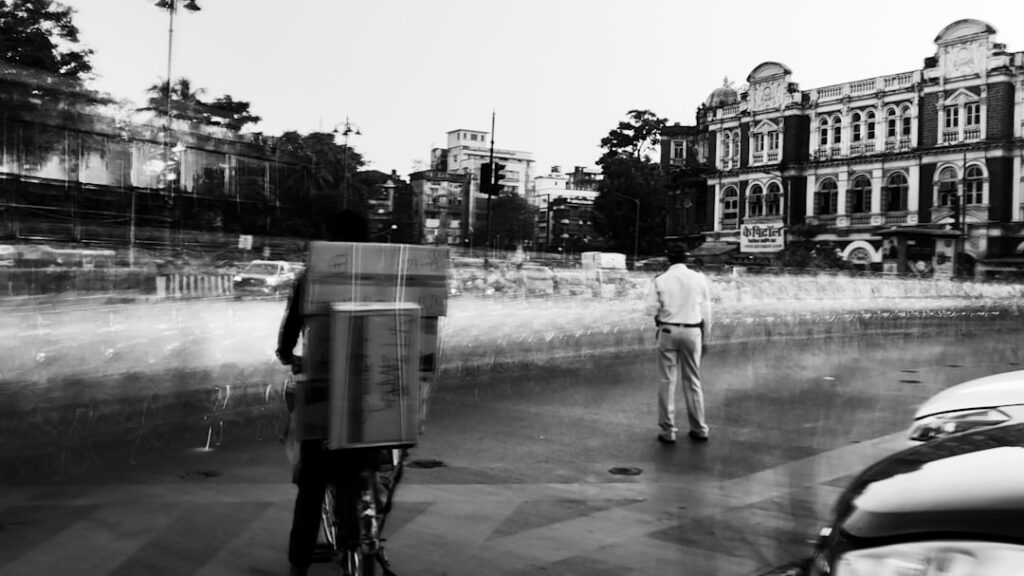
Students and educators in Mumbai must adapt daily routines to operate within reduced water-intake windows, affecting classroom activities, hygiene practices, and extracurricular programs. Parents are required to manage household water storage and adopt conservation measures. School administrators need to adjust operational plans, maintain compliance with BMC directives, and communicate schedule changes to stakeholders.
You may also like
 News
NewsRecord Low Rhine Water Levels Trigger Industry Disruption Across Europe
Severe drought in July 2026 drove the Rhine River to historic lows, prompting German authorities to launch a national water-monitoring platform and forcing logistics firms…
Read More →Businesses and construction sites across the city also face a 30 percent cut in water allocation, potentially influencing project timelines and operational costs. The coordinated rationing effort aims to preserve essential water supplies for health and safety while mitigating the immediate effects of the monsoon shortfall.
Key Facts
What: Mumbai’s municipal water board began citywide water rationing, limiting water-intake periods and hygiene facilities in schools.
Impact: Students, educators, and school staff must operate within reduced water windows; households and businesses face lowered water allocations.
When: 15 June 2026, following the lowest June rainfall since 2014.
Impact: Students, educators, and school staff must operate within reduced water windows; households and businesses face lowered water allocations.
Sources
You may also like
 News
NewsCambridge Sociology Professor Jason Arday Resigns Amid Plagiarism and Qualification Concerns
Jason Arday’s resignation was announced on August 5, 2026, by the University of Cambridge’s Department of Sociology.
Read More →- Mumbai Water Rationing Affects Schools – careeraheadonline.com – https://careeraheadonline.com/mumbai-implements-water-rationing-amid-12-year-low-rainfall-schools-face-immediate-constraints/
- The measures affect public and private schools across the city, limiting water-intake periods and reducing hygiene-facility availability. Career Ahead Mumbai’s municipal water board began mandatory rationing in June 2026 after June rainfall fell to its lowest level in 12 years. The measures affect public and private schools across the city, limiting water-intake periods and reducing…
- Mumbai Water Rationing: 12-Year Low June Rainfall – https://careeraheadonline.com/mumbai-implements-water-rationing-after-june-rainfall-reaches-12-year-low/
- The Brihanmumbai Municipal Corporation (BMC) announced water rationing measures on 15 June 2026 after June rainfall fell to its lowest level since 2014, prompting Career Ahead Mumbai’s municipal body reduced water allocations to households, businesses and construction sites in June 2026 after the city recorded its driest monsoon month in over a decade. The Brihanmumbai Municipal Corporation…
- Summer 2026 Water Crisis: How Ready Are Delhi, Mumbai, Bengaluru … – https://newsable.asianetnews.com/india/summer-2026-water-crisis-how-ready-are-delhi-mumbai-bengaluru-chennai-hyderabad-articleshow-3vlis81
- HomeIndiaSummer 2026 Water Crisis: How Ready Are Delhi, Mumbai, Bengaluru, Chennai, Hyderabad?Summer 2026 Water Crisis: How Ready Are Delhi, Mumbai, Bengaluru, Chennai, Hyderabad?3 Min read Author : Deevika NM Published : Apr 01 2026, 02:18 PM ISTShare this ArticleFBTWLinkdinWhatsappGNFollow UsHere’s how Delhi, Mumbai, Bengaluru, Chennai and Hyderabad are preparing to tackle water shortages and…