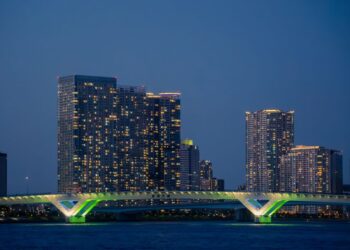
Mumbai’s municipal water authority has imposed strict rationing across the city as reservoir levels fall, prompting schedule changes for thousands of students.
Mumbai’s municipal water authority has imposed strict rationing across the city as reservoir levels fall, prompting schedule changes for thousands of students. The measures respond to a delayed and weak monsoon season that has reduced water availability since early 2026.
The Brihanmumbai Municipal Corporation (BMC) announced city‑wide water curbs on April 15, 2026, after reservoir storage dropped below 30 percent of capacity [1]. The rationing, which limits household supply to 2 hours per day in many wards, coincides with the academic calendar for primary and secondary schools, many of which rely on municipal water for drinking, sanitation, and laboratory activities [3].
The BMC, state education officials, school administrators, and students are directly involved in the response [2][3]. The BMC’s decision follows an assessment of rainfall deficits recorded by the India Meteorological Department, which reported that the 2025‑2026 monsoon delivered only 68 percent of its long‑term average precipitation [1]. To conserve water, the corporation issued notices requiring institutions to reduce non‑essential usage, install temporary water storage tanks, and adjust class timings to align with water‑available windows [3].
Water Rationing Measures Implemented by BMC
The BMC’s rationing plan divides the city into zones, each assigned specific supply windows that rotate on a weekly basis [3]. Residential complexes receive a two‑hour tap water allotment between 6 a.m. and 8 a.m., while commercial and institutional users, including schools, are allocated a separate three‑hour slot in the late afternoon [3]. The corporation also imposed a ban on non‑essential water‑intensive activities such as garden irrigation and car washing [3].
To enforce compliance, the BMC deployed field officers to monitor usage and issued penalties of up to ₹10,000 for violations [3]. The authority coordinated with the Maharashtra State Water Supply and Sewerage Board to prioritize water delivery to health‑care facilities and schools that lack alternative sources [2]. Schools were instructed to install water‑saving fixtures, use bucket‑based hand‑washing stations, and limit laboratory experiments that require running water [3].
The BMC, state education officials, school administrators, and students are directly involved in the response [2][3].
Impact on Educational Institutions in Mumbai
Mumbai Water Rationing Disrupts School Operations Amid Weak Monsoon
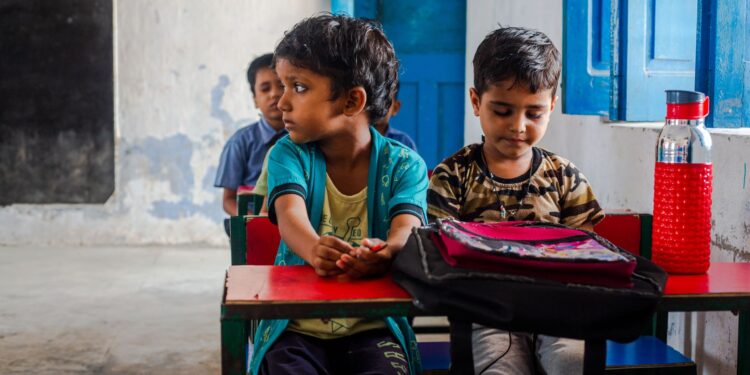
By mid‑April, more than 200 public and private schools reported disruptions to daily routines [3]. Many institutions postponed examinations scheduled for May 2026, citing insufficient water for invigilation rooms and sanitation [3]. Several schools shifted to staggered timetables, moving morning classes to the early water‑supply window and afternoon sessions to the later slot [3].
The recent Bloomberg report on unusual network activity alerts underscores a critical issue for digital marketing professionals. With increasing cybersecurity threats, teams must enhance their…
The water shortage has also affected extracurricular programs that depend on water, such as sports fields and science labs. According to the BMC, schools with on‑site laboratories have reduced practical sessions by 40 percent, substituting theory‑only lessons until water availability improves [2]. Some private schools arranged for tanker deliveries, incurring additional costs estimated at ₹150 million collectively [3].
Immediate Implications for Students and Staff
Students in affected wards experience longer travel times to schools that have adjusted schedules, with some commuting an extra 30 minutes to align with water‑supply windows [2]. Teachers report increased workload in preparing alternative lesson plans that do not require water‑based activities [3]. Health officials warned that reduced access to clean drinking water and limited hand‑washing facilities could elevate the risk of water‑borne illnesses in schools [1].
Parents have been advised to provide bottled water for children and to ensure that students carry personal hygiene kits [2]. The BMC has pledged to review reservoir levels weekly and to lift restrictions once storage exceeds 45 percent of capacity, a threshold projected to be reached by late July 2026 [1].
Key Facts
What: Mumbai’s municipal water rationing curtails school operations due to low reservoir levels.
Immediate Implications for Students and Staff Students in affected wards experience longer travel times to schools that have adjusted schedules, with some commuting an extra 30 minutes to align with water‑supply windows [2].
When: Rationing began on April 15, 2026, with ongoing assessments through July 2026.
Impact: Students and educators face schedule changes, reduced laboratory work, and heightened health precautions.
BT's decision to pause broadband services for some customers has sparked accusations of bullying, raising concerns about the impact on vulnerable populations during the transition…



 News
NewsNews