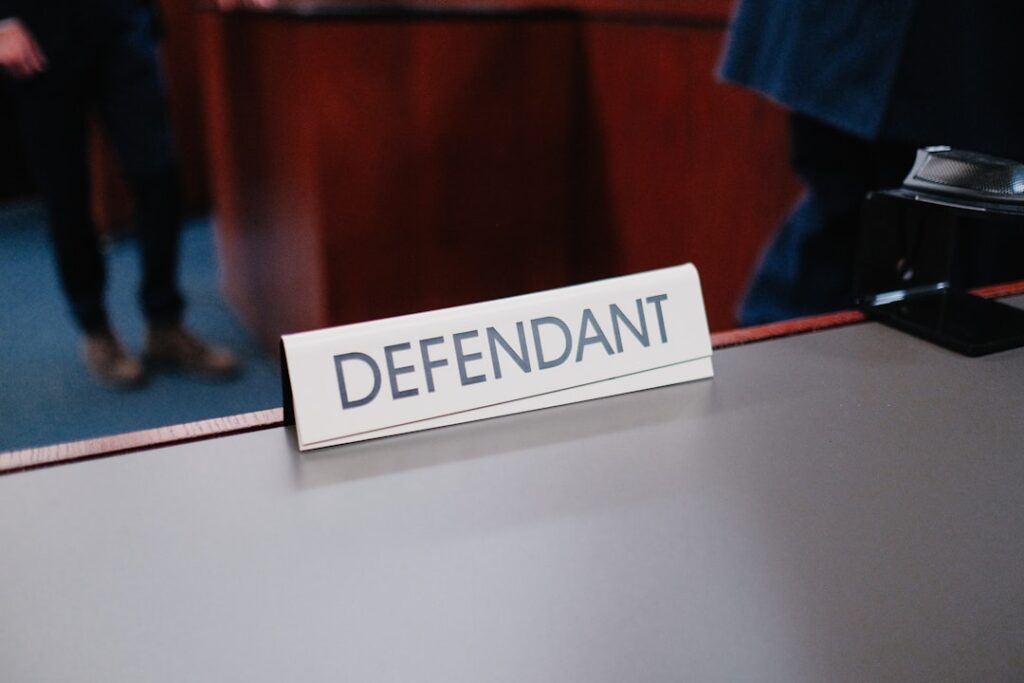
Legal Tensions in AI Development
The courtroom battle between Elon Musk and Sam Altman is not just a personal feud; it represents a critical juncture for artificial intelligence governance. Musk, a co-founder of OpenAI, claims he was misled about the organization’s shift to a for-profit model. This trial could set significant precedents for how AI companies operate and are regulated in the future.
Musk’s concerns stem from a belief that profit motives could compromise the safety and ethical considerations that should govern AI development. Altman, on the other hand, defends the need for financial backing to fuel innovation and compete in a rapidly evolving market. This clash of perspectives highlights the broader debate over the role of profit in technology that affects society at large.
The implications of this trial extend beyond the two men involved. It raises questions about accountability in AI development and the responsibilities of tech leaders. As AI becomes increasingly integrated into various sectors, the governance frameworks established through this trial could influence how future innovations are approached.
Profit Motives and Ethical Standards
The legal arguments presented in the Musk v. Altman trial reflect deeper issues within the AI industry. Companies are often caught between the need for profitability and the ethical implications of their technologies. This trial exemplifies the tension between these two forces, particularly in a field as impactful as AI.
The trial has revealed stark differences in vision between Musk and Altman. Musk advocates for stringent ethical standards and transparency in AI development, while Altman emphasizes the necessity of funding to drive progress. This divergence illustrates a critical challenge facing tech companies: balancing ethical considerations with the demands of investors and market competition.
Musk advocates for stringent ethical standards and transparency in AI development, while Altman emphasizes the necessity of funding to drive progress.
 Entrepreneurship & Business
Blackstone’s Jas Khaira Shapes Future AI Giants
At TechCrunch Disrupt 2026, Jas Khaira, global head of Blackstone N1, discussed the evolving landscape of AI investment, emphasizing networking, sustainable practices, and infrastructure development…
Read More →The outcome of this trial may influence how other tech firms approach their governance and ethical frameworks. If Musk’s arguments resonate with the court, it could lead to stricter regulations and oversight for AI companies, impacting their operational models. Conversely, a ruling in favor of Altman may embolden companies to prioritize profit over ethical considerations.
AI’s Role in Democratic Processes
The intersection of AI technology and democratic processes is another focal point of the trial. As AI tools become more prevalent, the potential for misuse in political contexts grows. The trial underscores the need for robust discussions about how AI can either enhance or undermine democratic values.
AI has the potential to improve civic engagement and reduce polarization in democratic societies. However, the ethical deployment of such technologies remains a challenge. The Musk v. Altman trial serves as a catalyst for these conversations, pushing stakeholders to consider the implications of AI on democracy.
The outcome of this legal battle could shape the future of AI governance in relation to democratic processes. If the court emphasizes the ethical responsibilities of AI developers, it may lead to frameworks designed to protect democratic values. On the other hand, a focus on profit could exacerbate existing challenges in democratic engagement and civic trust.

The outcome of this legal battle could shape the future of AI governance in relation to democratic processes.
Debates on Innovation and Regulation
The Musk v. Altman trial has sparked significant debate within the tech community and beyond. While Musk’s concerns about the ethical implications of AI resonate with many, there are also voices that argue for a more flexible approach to AI development. Some believe that strict regulations could stifle innovation and hinder technological advancement.
 Entrepreneurship & Business
College Students Shape the Future of A.I. Investment
College students are increasingly influencing the A.I. investment landscape, with initiatives like Dorm Room Fund raising substantial capital. This shift highlights the growing importance of…
Read More →Critics of Musk’s position argue that his views could lead to an overly cautious approach that limits the potential benefits of AI. This viewpoint suggests that a balance must be struck, allowing for innovation while still addressing ethical concerns. The trial has highlighted these conflicting perspectives, creating a rich dialogue about the future of AI.

The ongoing discussions surrounding this trial reflect broader societal tensions about technology’s role in our lives. As AI continues to evolve, the need for a nuanced understanding of its implications becomes increasingly urgent. The trial serves as a platform for these critical conversations, emphasizing the importance of diverse viewpoints in shaping the future of AI governance.
Implications for AI Governance and Careers
The ongoing developments in the Musk v. Altman trial have significant implications for individuals pursuing careers in AI and technology. As the industry evolves, professionals will need to navigate the complexities of ethics, governance, and innovation. Understanding the dynamics at play in this trial can provide valuable insights for aspiring tech leaders and innovators.
Implications for AI Governance and Careers The ongoing developments in the Musk v.
For those entering the field, a strong grasp of ethical considerations in AI development will be essential. As companies become more aware of their responsibilities, professionals who can bridge the gap between technology and ethics will be in high demand. Additionally, the trial emphasizes the importance of adaptability in a rapidly changing landscape, where new regulations and frameworks may emerge.
The Musk v. Altman trial is more than a legal dispute; it is a pivotal moment that could shape the future of AI governance, ethics, and its relationship with democracy. As the trial unfolds, its implications will ripple through the tech industry and beyond, influencing how we understand and engage with AI technologies.
 Entrepreneurship & Business
Future VCs Evaluate Startup Battlefield 200 Contenders
TechCrunch Disrupt 2026 will feature the Startup Battlefield 200 competition, showcasing 200 startups to a panel of esteemed VCs. This event offers critical networking opportunities…
Read More →Written by Career Ahead AI. AI can make mistakes, so verify key facts. Report errors to support@careeraheadonline.com.