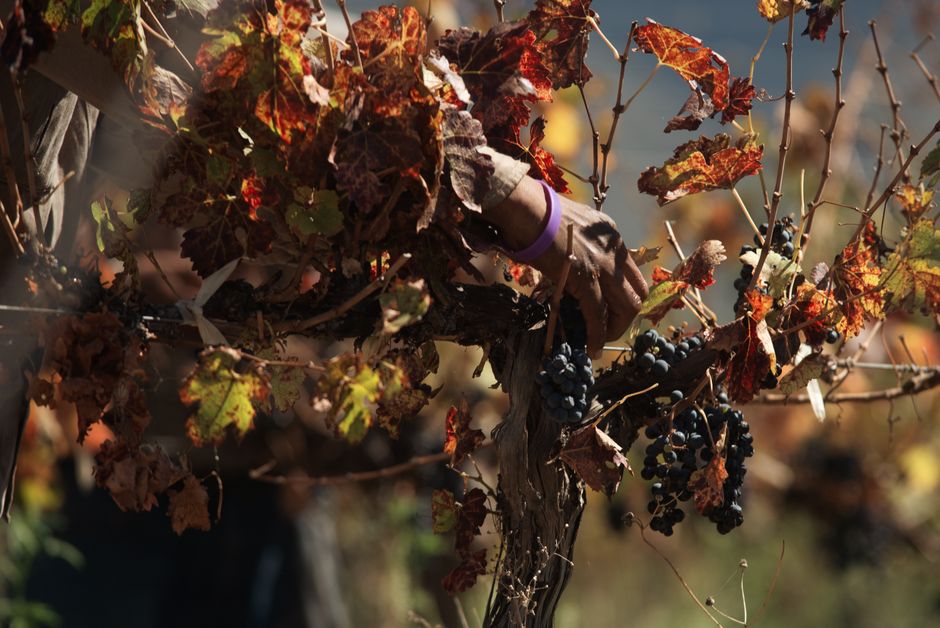
Napa and Sonoma had their earliest grape harvest in decades in 2026, with grape-picking starting in July after a record-breaking March heat wave and early bud break. The harvest process typically starts in early to mid-August. Rodney Strong Vineyards, a 67-year-old winery in Healdsburg, California, managed the accelerated season through changes to picking and grape handling.
An early harvest brought the work forward
Napa and Sonoma had their earliest grape harvest in decades in 2026, with grape-picking starting in July after a record-breaking March heat wave and early bud break. The harvest process typically starts in early to mid-August. Rodney Strong Vineyards, a 67-year-old winery in Healdsburg, California, was among the businesses working through the early season.¹
Rodney Strong established his namesake winery in 1959 after a brief stint in the Navy and dancing on Broadway in New York City. He brought on Rick Sayre as winemaker in 1979. The Klein family purchased Rodney Strong Vineyards in 1989. Tom Klein met Strong and Sayre a decade before the purchase, when his team at McKinsey & Company was hired to evaluate the winery.¹
During the final days of the 2026 harvest, Entrepreneur visited Rodney Strong Vineyards and its estate vineyard, Rockaway Vineyards. Justin Seidenfeld is the winery’s chief winemaking and operations officer. The harvest work included handling fruit from Rockaway as well as grapes destined for broader Sonoma County or Estate tiers.¹
The harvest work included handling fruit from Rockaway as well as grapes destined for broader Sonoma County or Estate tiers.¹
Dawn picking limits heat exposure
 News
California Voters Reject Proposition 40 Billionaire Tax
The proposal set a net-worth threshold dated 1 January 2026 and directed proceeds to healthcare, education and food assistance.
Read More →Heat is the most immediate logistical risk to grape quality between a morning harvest at Rockaway Vineyards and the crush pad. As fruit sits in the sun, it begins to dessicate. The team starts picking grapes at dawn and moves them quickly to the winery. There, the fruit stays in an air-conditioned space until it is sorted and placed in a tank for fermentation.¹
The same attention to timing shapes the winery’s rosé process. To achieve its preferred light pink shade, Rodney Strong brings in the grapes under cover of night, before heat can degrade them. That requirement makes the harvest schedule part of the production method: for this wine, picking at night protects the fruit before it reaches the winery.¹
Different wine tiers get different handling
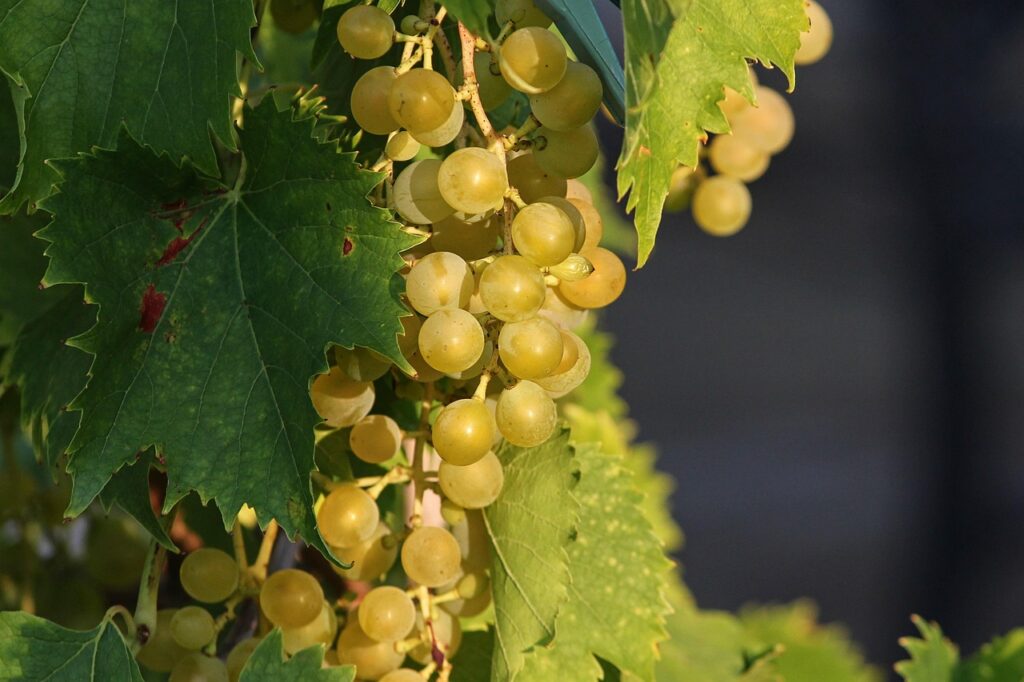
Rockaway grapes destined for premium, small-lot wines go through a different crush and fermentation process from larger lots for the broader Sonoma County or Estate tiers. The winery also uses a less precise “sweet spotting” technique for its larger Sonoma and Estate wines than for Rockaway and other reserve wines. The handling changes with the lot’s intended tier rather than following one identical process for every grape.¹
Seidenfeld described careful site development to keep a vineyard block as uniform as possible, along with deficit irrigation to find more balance across the block. These practices address variation in the growing area before the fruit reaches the winery. They sit alongside the separate crushing and fermentation methods used for different lots.¹
Harvest decisions rely on timing and field measurements
Seidenfeld says the decision about when to harvest is the most important one the winery makes each year. The team uses soil moisture monitoring, weather stations and plant-based measurements to make more precise farming decisions. Those tools provide information about vineyard conditions as the team manages its work, including the timing of grape-picking.¹
 News
Hispanic Scholarship Fund Application Window Is Closed
The application window has closed; the settlement shifts scholarship review toward commitment to Hispanic success and away from race or ethnicity.
Read More →Rodney Strong became the first carbon neutral winery in Sonoma County in 2009. Carbon neutrality and waste reduction efforts have broader environmental benefits, while everyday vineyard practices directly influence vine health, fruit development and wine quality. The winery’s account links those routine field decisions to the condition of the grapes that reach its production process.¹
Seidenfeld described careful site development to keep a vineyard block as uniform as possible, along with deficit irrigation to find more balance across the block.
Timing beats tools in harvest work
If you manage work where a product degrades quickly, the ledger shows that the decision of when to act matters more than any single tool. Seidenfeld calls the harvest timing the most important decision each year, and the team backs it with soil moisture monitors, weather stations, and plant-based measurements. For your own role, treat scheduling as a core skill, not a side task. Ask to own the calendar for your deliverables, and build a habit of checking field-level data before committing to a start time.¹
The early harvest also shows how a climate shift changes logistics, not just outcomes. Picking moved to July because of a March heat wave, and the winery responded by starting at dawn and keeping fruit in air-conditioned space. If your industry faces similar shifts, plan for earlier peaks and add cooling or speed steps to your process. Also notice that premium lots get different handling than larger ones, so match your precision to the value of the output you produce.¹
Sources
Written by Career Ahead AI. AI can make mistakes, so verify key facts. Report errors to support@careeraheadonline.com