No products in the cart.

Narrative’s Enduring Influence in Data-Driven Times

Storytelling transcends mere data, shaping understanding and decision-making in a world overwhelmed by analytics. Explore its crucial role today.

New York, USA — In an age dominated by data analytics, the power of storytelling remains a vital tool for understanding complex information. As organizations increasingly rely on data to inform decisions, the human element of narrative is more crucial than ever. This intersection of narrative and analytics shapes how we comprehend and engage with the world around us.
Storytelling is not merely a method of entertainment; it has emerged as an essential framework for making sense of data. In the corporate landscape, for instance, companies like Google and Amazon leverage narrative techniques to enhance user experience and drive engagement. By weaving data into compelling stories, these giants transform raw numbers into relatable experiences, making information more digestible for their audiences.
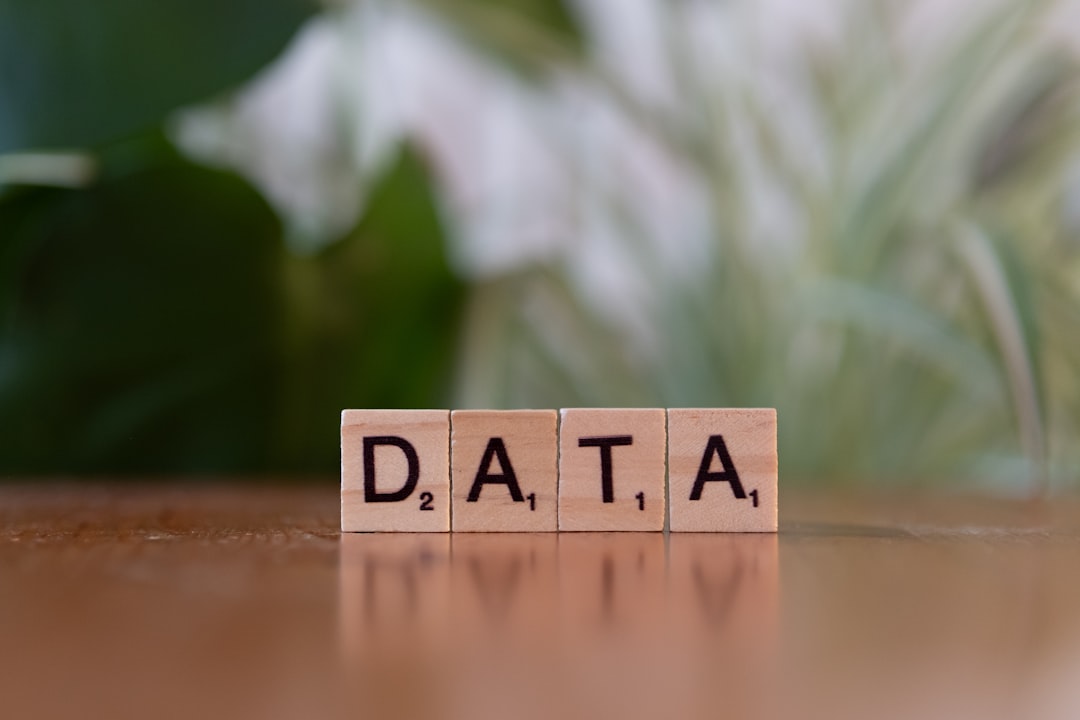
The significance of storytelling in a data-driven world cannot be overstated. According to a report by the McKinsey Global Institute, organizations that effectively use storytelling to communicate data-driven insights can increase engagement by up to 60%[1]. This statistic highlights the growing necessity for professionals to master the art of narrative in their communication strategies. As the deluge of data continues, the ability to craft a narrative around it becomes not just beneficial, but essential.
Context and Background
Data has always been a part of human history. From ancient civilizations using tally sticks to modern-day algorithms analyzing consumer behavior, numbers have driven decisions. However, as we navigate an era characterized by an overwhelming influx of information—often termed ‘data overload’—the challenge lies in making sense of this data.
This exponential growth poses a challenge for professionals across sectors who must distill insights from vast amounts of information.
In 2023, the international Data Corporation projected that the global datasphere would grow to 175 zettabytes by 2025[2]. This exponential growth poses a challenge for professionals across sectors who must distill insights from vast amounts of information. Here, storytelling acts as a bridge, connecting analytical data with human experiences. The ability to narrate data effectively can lead to better decision-making and foster deeper connections with stakeholders.
Analysis: The Role of Narrative in Data Interpretation
Multiple perspectives underline the importance of storytelling in data interpretation. Dr. Brené Brown, a research professor at the University of Houston, emphasizes that stories create a sense of belonging and understanding. “We are wired for story,” she explains. “We connect through narrative, not just through facts”[3]. This sentiment resonates across various fields, from marketing to healthcare.
You may also like
 Industry & Global Trends
AI Talent Race Between US and China Is the Next Battleground
The competition for AI talent between the US and China is growing, with significant implications for job opportunities and recruitment strategies in the field. The…
Read More →In marketing, for example, brands like Nike and Coca-Cola have successfully utilized storytelling to resonate with their audiences. Their advertisements often focus on personal journeys, evoking emotions that statistics alone cannot. This approach not only boosts brand loyalty but also enhances the effectiveness of their campaigns.
However, the integration of narrative into data presentation is not without challenges. Some analysts argue that relying too heavily on storytelling can lead to oversimplification or misinterpretation of data. It is crucial to strike a balance, ensuring that narratives do not distort the underlying facts. Data visualization experts advocate for complementary strategies where storytelling enhances, rather than replaces, the integrity of the data presented.
The rise of data visualization tools like Tableau and Power BI exemplifies this balance. These platforms enable users to create engaging visual narratives while maintaining data accuracy. As the capabilities of these tools expand, professionals must continue to hone their storytelling skills to effectively communicate insights derived from complex datasets.
Looking Ahead: The Future of Storytelling in a Data-Driven Landscape
As we move further into a future defined by data, the role of storytelling will only grow more significant. Organizations will increasingly recognize the need for professionals who can translate data into compelling narratives that resonate with diverse audiences. The ability to weave stories around data will not only enhance communication but will also foster innovation.
As the capabilities of these tools expand, professionals must continue to hone their storytelling skills to effectively communicate insights derived from complex datasets.
Education systems are beginning to adapt, incorporating storytelling techniques into data analysis curricula. Initiatives aimed at developing these skills will equip future leaders with the tools to navigate the complexities of a data-driven world. Moreover, as artificial intelligence continues to evolve, the intersection of narrative and technology may yield new forms of storytelling that further enrich our understanding of data.
You may also like
 Industry & Global Trends
Hormuz Crude Oil Exports Near Pre-War Levels
The return to pre-war export levels is crucial as it indicates a stabilization in the oil market. Producers and shipping industries have adapted by employing…
Read More →Ultimately, as the volume of data expands, the human capacity for storytelling will remain a critical asset. It serves as a reminder that beyond the numbers, there are real people, experiences, and emotions that data represents. Embracing this narrative approach will not only enhance our understanding of data but also strengthen the connections we share in an increasingly analytical world. How will you leverage storytelling to enhance your engagement with data?