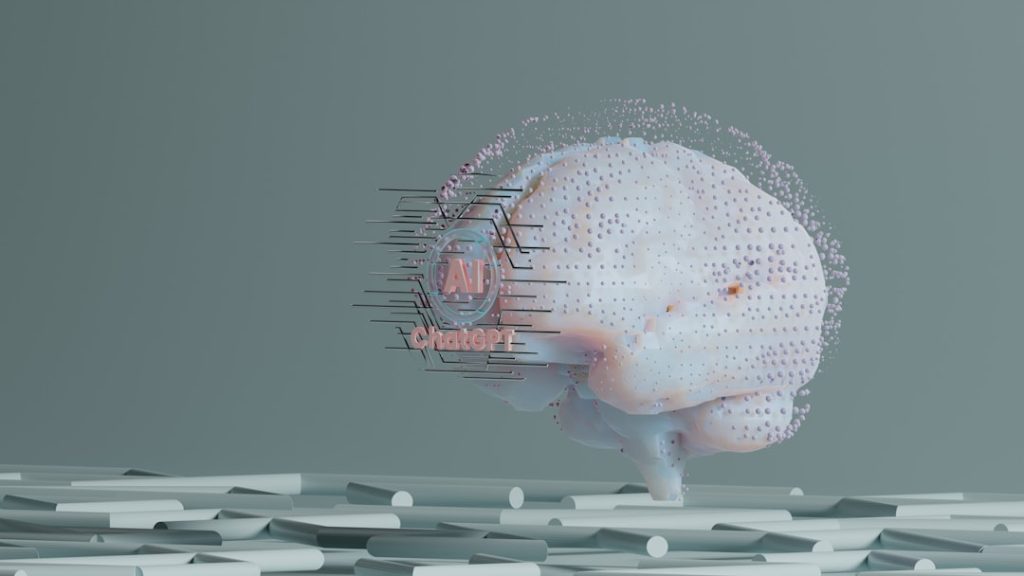
San Francisco, USA — In a bold move towards the future, major technology companies are increasingly investing in brain-computer interfaces (BCIs). These devices promise to enable direct communication between human brains and computers, potentially revolutionizing how we interact with technology. As of late 2025, firms like Neuralink, founded by Elon Musk, and Meta Platforms, Inc. are at the forefront of this innovative frontier, aiming to unlock unprecedented capabilities for users.
This development matters profoundly for several reasons. First, the implications for personal privacy are staggering. As technology becomes capable of interpreting thoughts and intentions, questions surrounding data security and ethical use will intensify. Second, the advent of BCIs could reshape career landscapes, creating new roles in tech, cybersecurity, and ethics that did not exist a decade ago. The integration of such technology into daily life could redefine work, learning, and even personal relationships.

The concept of BCIs is not new; research has been ongoing for decades. However, recent advancements in artificial intelligence and neuroscience have accelerated progress. For instance, Neuralink’s recent trials have demonstrated the ability to decode brain signals with remarkable accuracy, allowing users to control devices with their thoughts. According to a report by the National Institutes of Health, the global BCI market is projected to reach $3.7 billion by 2027, growing at a compound annual growth rate of 13.4% from 2020 to 2027[1].
Yet, as these technologies evolve, they bring forth a myriad of concerns. Privacy advocates warn that direct access to brain data could lead to unprecedented invasions of personal privacy. The potential for misuse by corporations or governments raises alarms about surveillance and consent. A study published in the journal Nature Neuroscience highlighted that while BCIs could enhance cognitive capabilities, they also pose ethical dilemmas regarding autonomy and control[2].
From a career perspective, the rise of BCIs is creating a surge in demand for professionals skilled in cybersecurity, ethics, and neuroscience.
From a career perspective, the rise of BCIs is creating a surge in demand for professionals skilled in cybersecurity, ethics, and neuroscience. According to the Bureau of Labor Statistics, employment in information security is expected to grow by 31% from 2019 to 2029, much faster than the average for all occupations[3]. This growth is fueled by the increasing need to protect sensitive data as technology becomes more integrated into our lives.
Moreover, educational institutions are beginning to adapt their curricula to prepare students for this changing landscape. Universities are introducing interdisciplinary programs that combine computer science, neuroscience, and ethics. For example, Stanford University has launched a new program focusing on neurotechnology, aiming to equip students with the necessary skills to navigate the complexities of BCIs and their implications.
Industry leaders are also recognizing the need for responsible innovation. In October 2025, a coalition of tech companies, including Google and Microsoft, announced the formation of the Ethical BCI Initiative. This group aims to establish guidelines for the development and deployment of brain-computer interfaces, emphasizing transparency, user consent, and data protection. The initiative reflects a growing awareness of the ethical responsibilities that come with such powerful technologies.
Looking ahead, the future of work will likely be intertwined with advancements in BCI technology. As these interfaces become more sophisticated, they may lead to new forms of collaboration and productivity. Imagine a workplace where teams can share thoughts and ideas instantaneously, enhancing creativity and problem-solving capabilities. However, this potential comes with significant risks that must be managed carefully.
Moreover, educational institutions are beginning to adapt their curricula to prepare students for this changing landscape.
As we stand on the brink of this technological revolution, the question remains: How will society adapt to the challenges and opportunities presented by brain-computer interfaces? The answer will shape the future of work, education, and personal interaction for generations to come. Engaging in discussions about privacy, ethics, and the implications of these technologies will be crucial as we navigate this uncharted territory.
Written by Career Ahead AI. AI can make mistakes, so verify key facts. Report errors to support@careeraheadonline.com.