


NASA’s Artemis II mission represents a historic leap into the future of space exploration. Launched on April 2, 2026, this mission aims to orbit the Moon and return to Earth, marking the first crewed lunar flight since Apollo 17 in 1972. With four astronauts aboard, including the first woman to fly to the Moon, Artemis II is not just a mission; it is a bold statement about humanity’s aspirations in space.
The mission is part of NASA’s broader Artemis program, which seeks to establish a sustainable human presence on the Moon. This goal reflects a significant shift in space exploration, moving from short visits to long-term habitation. As the Artemis II crew travels around the far side of the Moon, they will test critical systems that will support future lunar landings and missions to Mars.
Ambitious Objectives of Artemis II
The Artemis II mission is designed to test the Orion spacecraft’s systems and capabilities in deep space. This includes a 10-day journey that will take the crew approximately 252,756 miles from Earth, setting a new record for human spaceflight distance. According to NASA, this mission will help validate the technology and procedures needed for Artemis III, which aims to land astronauts on the lunar surface.
NASA’s strategy with Artemis is to create a sustainable lunar presence by the end of the decade. This involves not only landing astronauts but also establishing infrastructure that can support ongoing exploration. The Artemis program envisions a lunar base that could serve as a launch point for missions to Mars, making it a cornerstone of human space exploration for years to come.
According to NASA, this mission will help validate the technology and procedures needed for Artemis III, which aims to land astronauts on the lunar surface.
Moreover, Artemis II serves as a platform for international collaboration. NASA has partnered with space agencies from various countries, including the European Space Agency (ESA) and the Canadian Space Agency (CSA). This collaboration enhances global participation in space exploration, fostering shared knowledge and resources.
Challenges Facing the Artemis II Mission
Despite its ambitious goals, the Artemis II mission has faced numerous challenges. The program has experienced delays and budget overruns, raising questions about its feasibility and long-term sustainability. Critics argue that the focus on lunar missions may divert attention and resources from other pressing needs in space exploration, such as robotic missions to Mars or the outer planets.
 News
NewsGermany Leads Survey of Study Destinations for Indian Students
Germany’s international enrolment, work limits and graduate stay options sit alongside different living costs in Berlin and Munich.
Read More →Additionally, the legal status of establishing a lunar base has sparked debate. Many experts highlight the complexities of international space law, particularly concerning the Moon’s resources. As nations vie for a foothold on the lunar surface, the potential for conflict over territory and resources looms large.
Furthermore, the reliance on existing technology has drawn scrutiny. While NASA’s use of proven systems may reduce risk, it also raises concerns about innovation stagnation. Critics argue that a more aggressive approach to developing new technologies is necessary to ensure the U.S. maintains its leadership in space exploration.
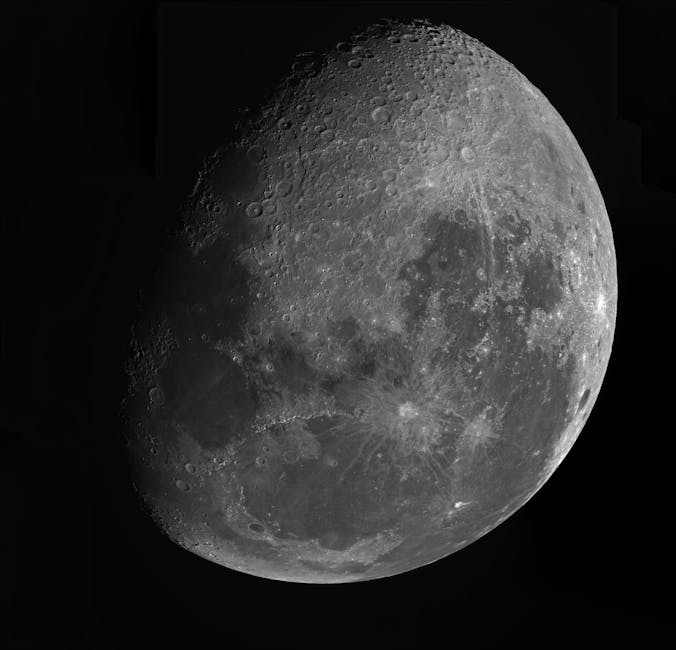
Implications for Future Lunar Missions
The future of lunar exploration is bright yet fraught with challenges. As Artemis II paves the way for Artemis III and beyond, the implications for science, technology, and international relations are profound. The mission is expected to yield valuable data that will inform future lunar habitats and exploration strategies.
maintains its leadership in space exploration.
In terms of career relevance, the Artemis program presents numerous opportunities for young professionals in various fields. Engineers, scientists, and technologists will be crucial in developing the systems needed for sustained lunar exploration. The program’s emphasis on innovation and collaboration also opens doors for interdisciplinary work, as diverse skills will be required to address the complexities of space missions.

Ultimately, Artemis II is more than a mission; it is a testament to human ingenuity and the relentless pursuit of knowledge. As we stand on the brink of a new era in space exploration, the lessons learned from this mission will shape the future of humanity’s journey beyond Earth.
 News
NewsSoftware Engineer Considers Farming as AI Advances
A software engineer with nearly a decade of experience considers farming as AI advances, prompting Reddit users to debate work and alternative livelihoods.
Read More →Written by Career Ahead AI. AI can make mistakes, so verify key facts. Report errors to support@careeraheadonline.com.





