No products in the cart.

Navigating India’s Freelance Landscape: Skills vs. Security
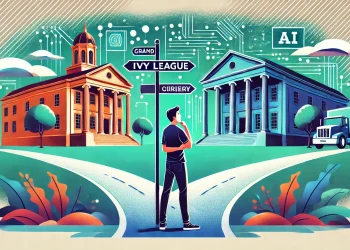
As India's freelance economy grows, workers face a critical choice between skill development and job security. This analysis explores the implications for the future of work.

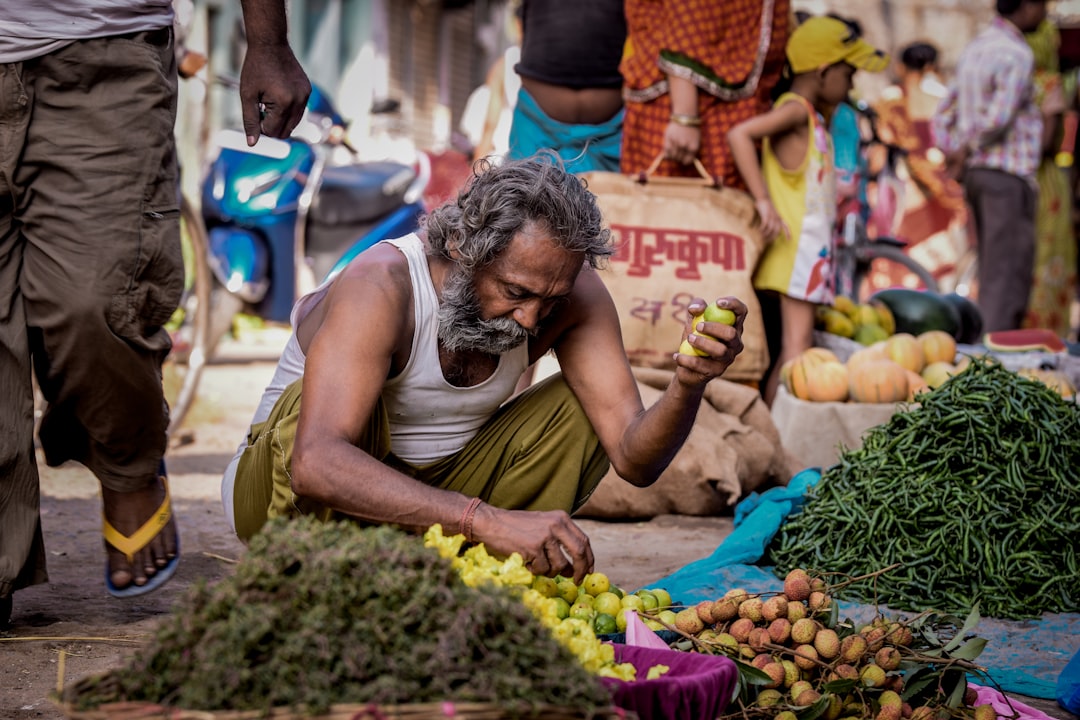
Mumbai, India — India’s freelance economy is booming, with over 15 million freelancers contributing to the workforce as of 2025. This rapid growth has raised critical questions about the balance between skill enhancement and job security in an increasingly gig-based landscape.
The rise of platforms like Upwork and Fiverr has made freelancing more accessible, allowing professionals to offer services globally. However, the flexibility of freelancing comes with hidden costs that could shape the future of work in India.

Understanding this dynamic is crucial as it affects not only individual careers but also the broader economic landscape. According to a recent report by the International Labour Organization (ILO), freelancers in India are expected to comprise nearly 50% of the workforce by 2030, highlighting a significant shift in employment paradigms.
Freelancers often prioritize skill acquisition to remain competitive. A survey by LinkedIn revealed that 70% of freelancers believe continuous learning is essential for success. However, this focus on skills can lead to a precarious situation where job security is sacrificed for the sake of flexibility and independence.
 Career Development
Unlocking Income Potential: Diversifying Revenue Streams
Learn how to leverage your skills to create diverse revenue streams, ensuring financial stability and growth in today's economy.
Read More →A survey by LinkedIn revealed that 70% of freelancers believe continuous learning is essential for success.
Many freelancers find themselves in a constant cycle of securing new contracts, which can lead to financial instability. The ILO’s report indicates that 40% of Indian freelancers experience income volatility, making it difficult to plan for the future. This uncertainty can deter talented professionals from pursuing freelancing as a long-term career.
Furthermore, the lack of social security benefits for freelancers exacerbates these challenges. Unlike traditional employees, freelancers often do not have access to health insurance, retirement plans, or paid leave. This gap in security can lead to significant stress and anxiety, impacting their overall productivity and well-being.
In light of these challenges, various stakeholders are exploring ways to enhance the freelance ecosystem in India. Organizations like the Freelancers Union are advocating for better working conditions and benefits for freelancers. Additionally, government initiatives aimed at providing social security for gig workers are in the pipeline, though implementation remains a critical hurdle.
From a corporate perspective, companies are beginning to recognize the value of freelancers. A study by McKinsey found that 60% of executives believe that integrating freelancers into their workforce can lead to greater innovation and flexibility. This shift could pave the way for more structured collaborations between companies and freelancers, ultimately enhancing job security.
 Sustainability
Empowering Young Innovators: Jolé St. John’s Vision for Sustainable Tourism in the Caribbean
Jolé St. John from Tobago is leading a sustainable tourism revolution, inspiring youth across the Caribbean with innovative solutions.
Read More →However, the success of this integration depends on creating an environment where freelancers can thrive without sacrificing their security. Training programs that focus on both skill development and financial literacy could empower freelancers to manage their careers more effectively. Investing in platforms that offer comprehensive benefits packages for freelancers may also be a viable solution.
As India continues to navigate its freelance future, the interplay between skill development and job security will remain a critical focus. The choices freelancers make today will shape the landscape of work tomorrow. Will they prioritize skill acquisition at the expense of security, or can a balance be struck that allows for both growth and stability?
Training programs that focus on both skill development and financial literacy could empower freelancers to manage their careers more effectively.
Ultimately, the direction of India’s freelance economy will depend on the collective efforts of freelancers, companies, and policymakers to create a sustainable and equitable working environment. As the gig economy expands, the lessons learned from this transition will be invaluable for other nations grappling with similar issues.
What remains clear is that the future of freelancing in India is not just about flexibility; it’s about finding a way to ensure that this flexibility comes with the security that workers deserve. As we look ahead, the challenge will be to foster an ecosystem where skill enhancement and job security coexist, paving the way for a more resilient workforce.
 Economic Policies
Navigating the Challenges of Ocean Acidification
Ocean acidification poses a significant threat to marine ecosystems. Understand its causes, impacts, and what can be done.
Read More →