No products in the cart.

Netflix Acquires Ben Affleck’s AI Startup for $600 Million
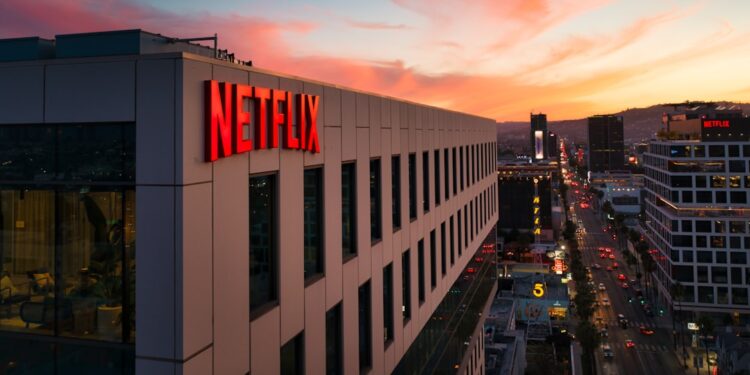
Netflix's $600 million acquisition of InterPositive, co-founded by Ben Affleck, marks a shift to AI-integrated filmmaking, enhancing post-production efficiency.

“`html
Netflix Acquires InterPositive for $600 Million
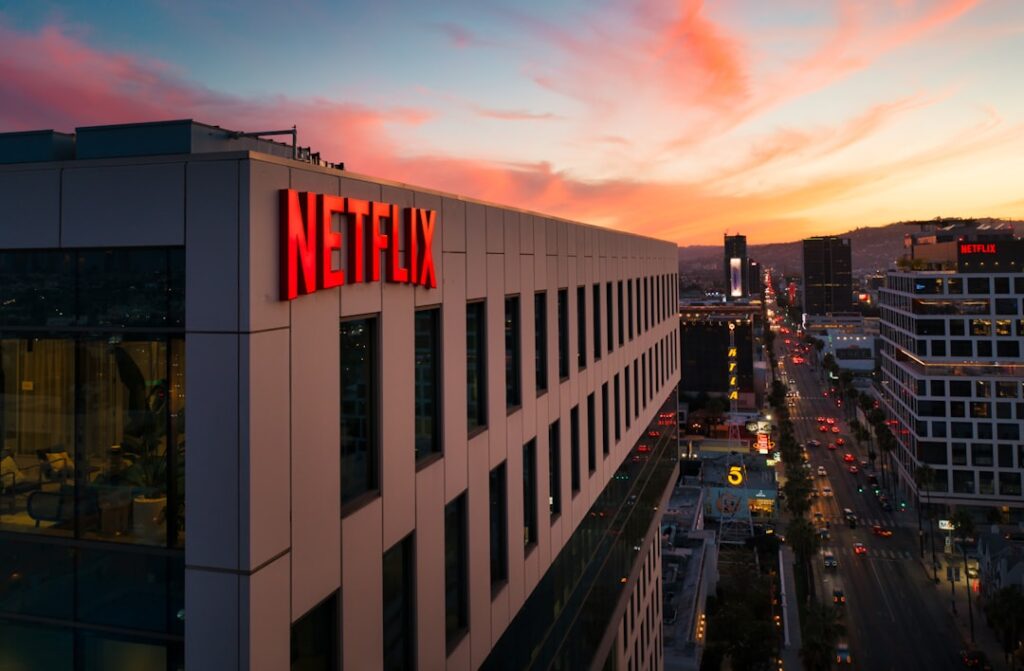
Last week, Netflix announced a deal that could change post-production economics. Sources tell Bloomberg that Netflix will pay up to $600 million for InterPositive, an AI startup co-founded by Ben Affleck. While the cash amount may be lower, the deal includes performance-based earn-outs that could reach the headline figure.
InterPositive focuses on providing AI tools for editors. These tools flag continuity errors, suggest alternative cuts, and enhance visuals without creating new footage or using existing clips without permission. For example, a director could use the platform to smooth a jump cut, or a colorist could apply a consistent color palette across different shooting days. This technology aims to streamline workflows, allowing creatives to focus on storytelling instead of tedious tasks.
If the deal closes at the upper limit, it would rank among Netflix’s largest acquisitions. The company’s biggest purchase to date was the Roald Dahl Story Company for about $700 million. Unlike that deal, InterPositive is a tech-focused acquisition, signaling Netflix’s shift from content aggregation to owning the tools that create that content.
Netflix has already explored generative AI. The Argentine series The Eternaut used AI for a building-collapse scene that would have been too costly to film traditionally. The acquisition of InterPositive enhances this effort, moving Netflix from “AI-enhanced” to “AI-integrated” production.
AI’s Impact on Filmmaking
AI is becoming essential in Hollywood. Amazon is building in-house AI teams for its Prime Video productions, and Disney has partnered with OpenAI to explore generative tools. InterPositive fits into this trend by offering specialized tools for labor-intensive post-production tasks.
Traditional workflows involve hours of manual review and feedback.
For editors, the benefits are immediate. Traditional workflows involve hours of manual review and feedback. An AI assistant can quickly highlight mismatched eyelines or suggest smoother transitions, significantly speeding up the process. Colorists can also benefit from algorithms that learn a director’s style, applying it consistently and reducing delays.
You may also like
 Entrepreneurship & Business
MSMEs Demand Action on Rising Steel and Metal Prices
Rising material costs have been a persistent issue for MSMEs, which are already grappling with higher prices for diesel, furnace oil, and LPG.
Read More →AI also democratizes high-end post-production. Independent filmmakers can now access advanced tools through cloud platforms, leveling the playing field and allowing smaller productions to achieve high-quality visuals.
However, this shift may reduce some job roles. A 2024 survey found that about 30 percent of post-production professionals expect a decline in manual editing work in the next five years, even as demand for quality increases. Creators will need to adapt, becoming curators of AI-generated suggestions rather than executing every cut.
Industry Reactions: Concerns and opportunities
The announcement has sparked varied responses in the film industry. Labor unions representing editors and visual effects artists warn that AI could threaten job security without proper safeguards. Their main concern is the lack of clear standards for compensating creators whose work trains these models.
On the other hand, many technologists and innovative producers see this as an opportunity for creativity. At the Sundance Film Festival, a panelist from a mid-sized production house stated that “AI tools like InterPositive allow us to experiment with narrative structures that were previously too time-consuming.” This reflects a belief that technology will enable new storytelling forms, such as dynamic narratives and real-time visual effects adjustments.
Their main concern is the lack of clear standards for compensating creators whose work trains these models.
Other studios are closely monitoring this development. Amazon’s AI teams have created prototype tools that generate rough cuts from raw footage, while Disney collaborates with OpenAI on text-to-image generation for concept art. Netflix’s acquisition may push competitors to speed up their AI initiatives, potentially igniting a “race to the algorithm” that could shift the industry’s power dynamics.
You may also like
 AI & Technology
AI Interviewing Transforms Future Hiring Landscape
HackerRank's AI interviewer, Chakra, is transforming recruitment by streamlining the hiring process and emphasizing critical thinking and problem-solving skills in candidates.
Read More →Regulators have not yet made definitive statements, but discussions are growing in legislative circles. California lawmakers have proposed a bill requiring AI developers to disclose training data sources and share royalties with creators whose work contributes to model development. If passed, this could impose new compliance costs on companies like InterPositive while providing a framework to reassure concerned workers.
Despite the debate, market reactions have been cautiously optimistic. Netflix’s stock rose slightly after the announcement, indicating investor confidence that the acquisition could improve content creation efficiency and profitability. Analysts note that even minor reductions in post-production timelines can lead to earlier release dates, crucial in the competitive streaming landscape.
Strategic Outlook: Embracing an AI-Driven Future
Netflix will likely integrate InterPositive in phases. Initially, it will pilot the technology on select original series, measuring metrics like edit-time reduction and crew satisfaction. Successful trials could lead to a broader rollout, establishing a standardized AI-augmented workflow that other studios may need to adopt.
Long-term, the acquisition raises questions about authorship. If an algorithm suggests a cut that becomes the final edit, who owns that decision? The industry will need to create new contracts defining AI’s role in the creative process, possibly sharing royalties with the developers of the underlying models alongside traditional writers and directors.
Successful trials could lead to a broader rollout, establishing a standardized AI-augmented workflow that other studios may need to adopt.
For adaptable creators, the future holds exciting possibilities. Imagine a director visualizing multiple editing scenarios instantly or a documentary filmmaker using AI to sift through vast amounts of archival footage to find the best moments quickly. These efficiencies promised by InterPositive could redefine storytelling.

You may also like
 AI & Technology
Higher education reallocates capital to digital platforms
The analysis that follows dissects the mechanisms, systemic implications, and stakeholder outcomes.
Read More →Moving forward, the industry must balance technological progress with fair labor practices and artistic integrity. This balance will determine whether AI becomes a helpful partner or a