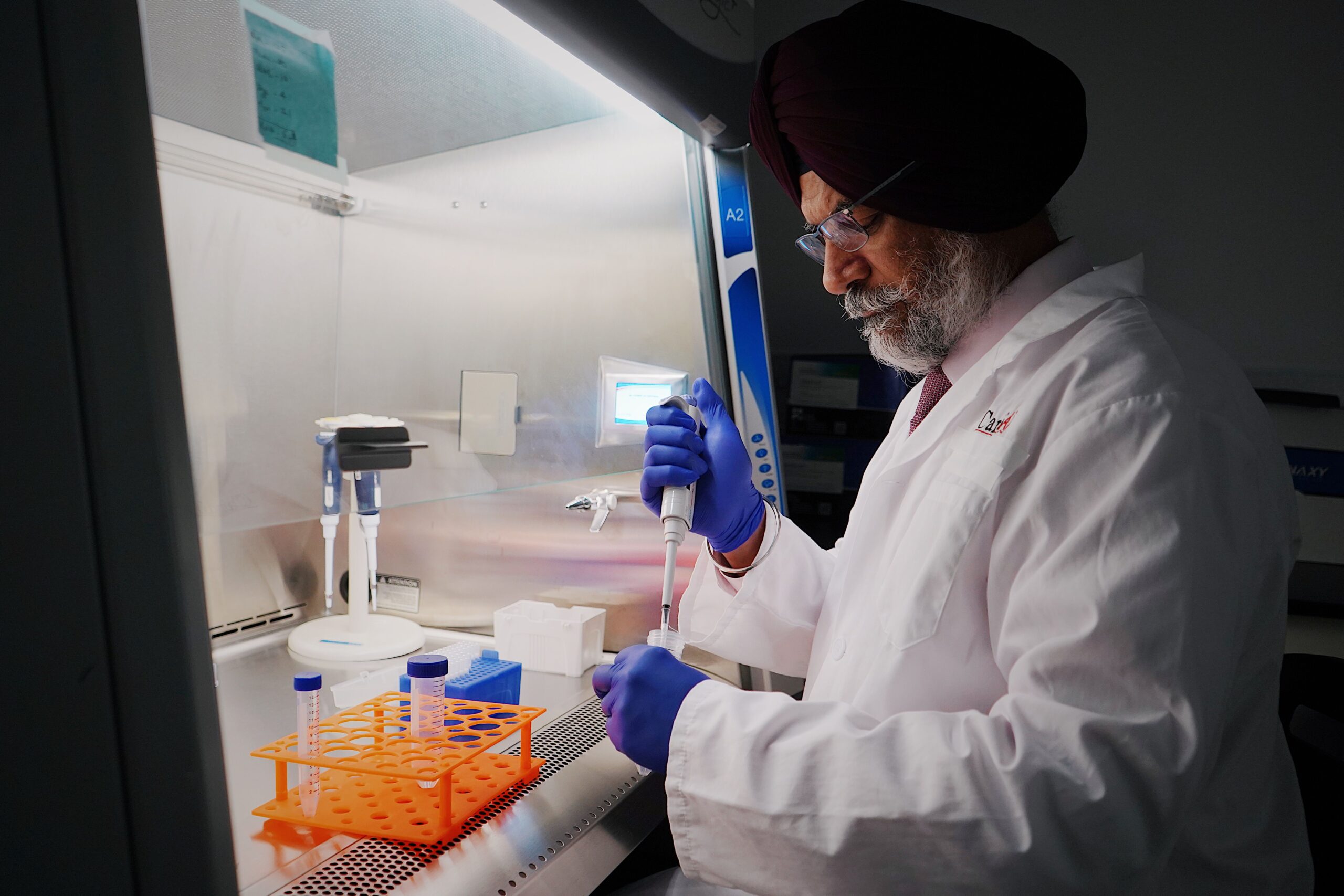
India's government has proposed new norms to simplify the regulatory process for drug approvals, focusing on bioavailability and bioequivalence studies, which could significantly enhance the speed at which new pharmaceuticals enter the market.
India’s government has proposed new norms to simplify the regulatory process for drug approvals, particularly focusing on bioavailability and bioequivalence (BA/BE) studies. This initiative allows applicants to initiate eligible studies after notifying the drug regulator, rather than awaiting prior approval. The proposal is currently under review by the Drugs Technical Advisory Board (DTAB), with discussions expected to occur this month. According to a report by the Economic Times, this change is part of a broader strategy to enhance the ease of doing business in India’s pharmaceutical sector.
This change is significant for regulatory affairs specialists and clinical research associates, as it marks a shift towards a more efficient approval process. The government also aims to reduce the timeline for processing import license applications for new drugs and reference products from 90 working days to just 45. This reduction is expected to significantly impact the speed at which new pharmaceuticals can enter the market, aligning with global trends where regulatory bodies are increasingly adopting measures to expedite drug approvals, especially in times of public health emergencies.
Streamlining Bioequivalence Studies
Bioequivalence studies are crucial for the approval of generic drugs in India. The proposed regulations will allow for a prior intimation system similar to what is already in place for export-focused studies. This means that researchers can start their studies without waiting for formal approval, expediting the process significantly. As a result, Career Ahead analysis finds that this could lead to faster availability of affordable generic medicines for patients. The Economic Times highlights that any reduction in the time required for these studies will have a direct impact on how quickly affordable generic versions of medicines can reach patients.
However, the proposed changes come with limitations. The prior intimation system will not apply to high-risk drug categories, including sex hormones, cytotoxic drugs, and vaccines. This ensures that products requiring greater regulatory scrutiny still undergo the necessary checks before entering the market. Nonetheless, the simplification of the approval process for other drugs could enhance the overall efficiency of the pharmaceutical industry. Furthermore, the changes could also influence how clinical research associates design and execute studies. With less bureaucratic red tape, there may be more room for innovative approaches in study design, and researchers can focus on generating quality data more efficiently. This shift could foster a more dynamic research environment, allowing for quicker adaptations to emerging health needs.
As a result, Career Ahead analysis finds that this could lead to faster availability of affordable generic medicines for patients.
The report deadline runs to around May 2027. Salary projections remain conditional, while the UPS states a pension guarantee based on average basic pay.
Moreover, the implications of these changes extend beyond just the approval process. As the demand for affordable medications continues to rise in India, the ability to expedite drug approvals could lead to improved health outcomes across the board. Faster approvals mean that patients can receive necessary treatments sooner, which is particularly crucial in a country where healthcare access remains a significant challenge. The proposed regulations are a response to the urgent need for a more agile pharmaceutical sector that can adapt to the changing landscape of healthcare demands.
Impact on Drug Approval Efficiency
The proposed regulatory changes are likely to have a significant impact on drug approval efficiency in India. By halving the timeline for import license applications, the government aims to create a more responsive regulatory framework. This aligns with global trends where regulatory bodies are increasingly adopting measures to expedite drug approvals, especially in times of public health emergencies. The Hit Reboot article emphasizes the importance of a phased approach in regulatory processes, suggesting that the Indian government’s move reflects a growing recognition of the need for agility in the pharmaceutical sector.
Career Ahead research identifies that the move to streamline drug approvals reflects a growing recognition of the need for agility in the pharmaceutical sector. As the global market evolves, Indian regulatory affairs specialists must adapt to these changes to ensure compliance while maintaining the integrity of the approval process. The enhanced efficiency in drug approvals could also attract more foreign investment into the Indian pharmaceutical sector. Investors often seek markets with streamlined regulations and quicker return on investment. The proposed changes could position India as a more attractive destination for pharmaceutical companies looking to launch new products.
While the immediate focus is on expediting the drug approval process, the long-term implications of these changes could reshape the landscape of drug development in India. Regulatory affairs specialists will need to stay informed about the evolving norms to effectively navigate the new system. This regulatory shift presents an opportunity for professionals in the pharmaceutical industry to engage with the changes actively. Understanding the nuances of the new regulations will be crucial for those involved in drug development and approval processes as they adapt their strategies accordingly.
This regulatory shift presents an opportunity for professionals in the pharmaceutical industry to engage with the changes actively.
As India moves forward with these proposed changes, the implications for regulatory affairs specialists and clinical research associates will be profound. The ability to navigate a faster, more efficient approval process will be essential for success in the evolving landscape of the pharmaceutical industry. The proposed regulations not only aim to enhance the speed of drug approvals but also seek to ensure that the integrity of the regulatory framework is maintained, ultimately benefiting patients and healthcare providers alike.
Frequently Asked Questions
What are the new regulations for BA/BE studies?
The new regulations allow applicants to initiate bioavailability and bioequivalence studies after notifying the drug regulator, rather than waiting for prior approval. This streamlining is expected to expedite the approval process for generic drugs.
How will the timeline for import licenses change affect drug development?
The timeline for processing import license applications will be reduced from 90 working days to 45. This significant cut is expected to enhance the efficiency of drug approvals and improve market access for new pharmaceuticals.
What should regulatory affairs specialists do to adapt to the new drug approval process?
Regulatory affairs specialists should familiarize themselves with the new regulations and adapt their strategies accordingly. Understanding the nuances of the streamlined process will be essential to ensure compliance and efficiency in drug approvals.
Written by Career Ahead AI. AI can make mistakes, so verify key facts. Report errors to support@careeraheadonline.com.
Career Ahead AI is Career Ahead Magazine's in-house AI newsroom, reporting on careers, education, jobs and business. It produces original summaries and analysis drawn from publicly available sources, with those sources credited, and operates under the editorial oversight of the Career Ahead team. AI can make mistakes, so please tell us when something looks wrong. Corrections, copyright or takedown requests…



 Government & Policy
Government & Policy