


Auckland, New Zealand — The New Zealand government has announced significant changes to its education growth plan, raising the work hour limit for international students and expanding rights for exchange programme participants. effective immediately, international students can now work up to 30 hours per week during term time, an increase from the previous limit of 20 hours. this change aims to better support students financially while they pursue their studies.
this policy shift is crucial as New Zealand seeks to attract more international students in a competitive educational landscape. The increase in allowable work hours aligns with a broader strategy to enhance the country’s appeal as a study destination, particularly as it recovers from the impacts of the COVID-19 pandemic.
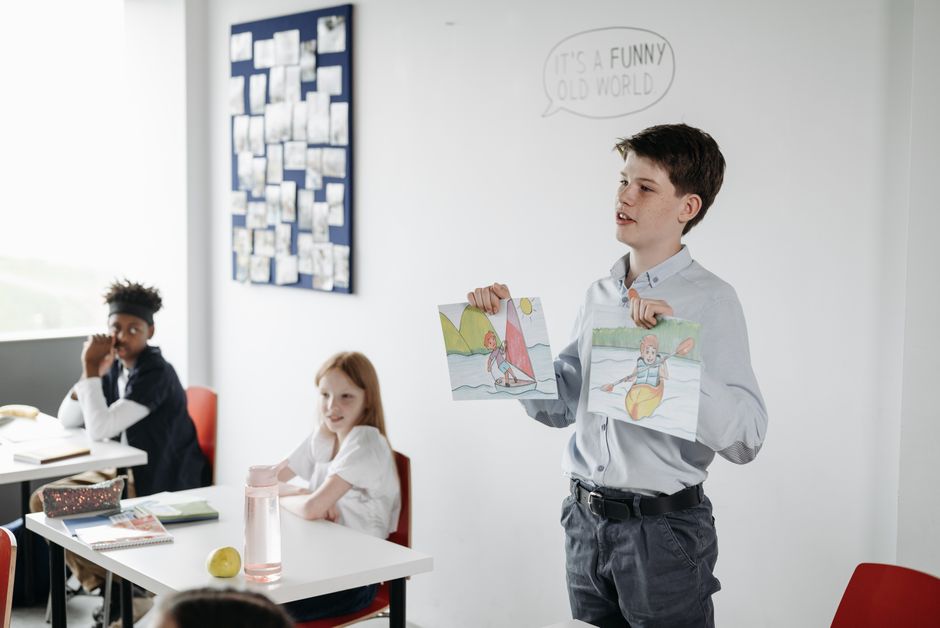
<figure class=”aligncenter”><img src="https://careeraheadonline.com/wp-content/uploads/2025/11/1181280.jpg" alt="New Zealand expands student work Hours and exchange Programmes” loading=”lazy” />
The move comes amid a global rise in demand for skilled labor and a tightening job market in many sectors. By allowing students to work more hours, New Zealand not only supports the financial needs of these individuals but also addresses gaps in the labor market, particularly in hospitality, agriculture, and healthcare sectors.
According to the New Zealand Ministry of education, the country had approximately 36,000 international students enrolled in 2023, a figure that represents a 25% increase compared to the previous year. this surge underscores the growing interest in New Zealand as a preferred study destination, particularly among students from asia and the Pacific islands. The government anticipates that enhanced work opportunities will further boost these enrollment numbers.
The hospitality sector, in particular, has been vocal about its need for workers, as many businesses struggle to recruit sufficient staff.
To complement this increase in work hours, the government is also expanding rights for participants in exchange programmes. Previously restricted to limited opportunities, exchange students will now gain greater access to internships and part-time employment, enriching their educational experiences and fostering cross-cultural connections.
experts agree that these changes are a strategic response to labor shortages exacerbated by the pandemic. New Zealand’s unemployment rate is currently at 3.2%, one of the lowest in the world, making it imperative for the government to tap into the international student population to fill essential roles. The hospitality sector, in particular, has been vocal about its need for workers, as many businesses struggle to recruit sufficient staff.
 Education & University Insights
Kumar Urges Colleges to Graduate Students with Work Portfolios
Kumar linked policy success to institutional capacity, while industry examples show curricula and hiring tests shifting towards applied problem-solving.
Read More →from an educational perspective, enhancing work opportunities for students is a powerful incentive for attracting global talent. international students contribute significantly to the economy, with estimates indicating they inject over NZD 5 billion annually into the local economy. Furthermore, the skills and diversity they bring to the classroom enrich the educational experience for all students.
while the policy changes are widely welcomed, some stakeholders express concerns about the potential impact on students’ academic performance. balancing work and study can be challenging, especially for those unfamiliar with New Zealand’s educational system. However, the government reassures that support systems will be in place, including mentoring and academic counseling, to help students manage their responsibilities effectively.
Looking ahead, the implications of this policy extend beyond immediate economic benefits. The increased work hour limit and expanded exchange rights signal a commitment to fostering an inclusive educational environment that values diversity and global perspectives. As New Zealand continues to enhance its educational offerings, it may also position itself as a leader in international education reform.
The changes reflect a growing recognition of the role of education in driving innovation and economic growth. By investing in the student experience, New Zealand not only enhances its attractiveness as a destination for higher education but also prepares its workforce for the future.
By investing in the student experience, New Zealand not only enhances its attractiveness as a destination for higher education but also prepares its workforce for the future.
As the global landscape evolves, New Zealand’s proactive approach may inspire other countries to reconsider their policies regarding international students. The balance between academic integrity and practical work experience could redefine how nations view the role of students in their economies.
Ultimately, the success of these initiatives will depend on effective implementation and monitoring. As the education sector adapts to these changes, stakeholders will need to remain agile and responsive to the needs of students and the labor market.
 Education & University Insights
Jamia Orders Student Union Polls Within 15 Days of Constitution Approval
The order also revoked student suspensions and show-cause notices and provided for an inquiry into security staff conduct.
Read More →The future of work is undoubtedly intertwined with education, and New Zealand is setting a precedent that could resonate globally. As countries worldwide grapple with similar challenges, the lessons learned from this initiative may serve as a blueprint for enhancing student engagement and workforce readiness.
Written by Career Ahead AI. AI can make mistakes, so verify key facts. Report errors to support@careeraheadonline.com.





