No products in the cart.

Nicole Hu Explores Google TurboQuant’s AI Evolution

Google's TurboQuant is a groundbreaking advancement in AI model optimization, enhancing efficiency by redefining the balance between memory and compute resources. This technology is set to transform AI infrastructure economics, prompting a reevaluation of cost and latency in data centers.

Google’s TurboQuant has emerged as a significant advancement in AI model optimization, unveiled on June 3, 2026. This breakthrough aims to enhance the efficiency of AI workloads by redefining the balance between memory and compute resources. As hyperscalers increasingly seek to optimize their infrastructure, TurboQuant presents new opportunities and challenges for cloud ML engineers and data center architects.
The implications of TurboQuant are vast, affecting not only how AI models are deployed but also the underlying hardware requirements. This technology is expected to reshape the economics of AI infrastructure, prompting a reevaluation of cost and latency considerations in data centers. According to Bloomberg’s analysis, the advancements in quantization brought forth by TurboQuant are redefining the trade-offs between memory and compute, which are critical for optimizing AI workloads.
Revolutionizing AI Workload Efficiency
TurboQuant introduces a novel approach to quantization, which is critical for optimizing AI workloads. By improving the trade-offs between memory usage and computational power, TurboQuant allows for more efficient model inference. This shift is particularly relevant for cloud ML engineers, who must adapt their strategies to leverage these advancements effectively.
For instance, TurboQuant’s ability to reduce the size of models without compromising performance means that engineers can deploy more complex models on existing hardware. This capability not only enhances performance but also minimizes costs associated with scaling infrastructure. As a result, cloud ML engineers are likely to see a shift in their operational focus towards optimizing existing resources rather than acquiring new hardware. The implications of this shift are profound, as engineers will need to rethink their deployment strategies to fully exploit TurboQuant’s capabilities.
Furthermore, the implications extend to latency reduction. TurboQuant’s optimizations can lead to faster response times for AI applications, a critical factor for industries relying on real-time data processing. As latency becomes a competitive differentiator, engineers will need to prioritize TurboQuant’s methodologies in their deployment strategies. Enhanced efficiency in processing not only improves user experience but also opens up new avenues for innovation in AI applications.
Professionals will need to familiarize themselves with advanced quantization techniques and understand how to integrate these methodologies into their existing workflows.
You may also like
 AI & Technology
Data‑Driven Raise Negotiations Redefine Career Capital
Aiming for a 6%–17% increase positions the request well above the 3.1% average merit increase.
Read More →Career Ahead analysis finds that this shift towards TurboQuant will necessitate a new skill set for cloud ML engineers. Professionals will need to familiarize themselves with advanced quantization techniques and understand how to integrate these methodologies into their existing workflows. This evolution is not just about adopting new tools but fundamentally rethinking how AI models are designed and implemented. As highlighted in a recent Bloomberg report, the future of AI infrastructure will depend heavily on the ability of engineers to adapt to these new paradigms.
As TurboQuant gains traction, it is essential for engineers to stay ahead of the curve. Continuous learning and adaptation will be key to leveraging these advancements effectively, ensuring that they can meet the demands of an increasingly competitive landscape. The rapid pace of change in AI technologies means that those who can quickly adapt to TurboQuant’s principles will have a significant advantage in the marketplace.
New Hardware Requirements for AI Deployment
The introduction of TurboQuant will also have significant implications for the hardware landscape in AI deployment. As model sizes decrease and efficiency increases, the requirements for data center architecture will evolve. Data center architects must prepare for a future where traditional hardware solutions may no longer suffice.
TurboQuant’s optimizations will likely lead to a shift in the types of hardware that are most effective for running AI workloads. For example, existing GPU architectures may need to be reevaluated to accommodate the new demands of TurboQuant-optimized models. This shift could result in increased investments in specialized hardware that can better support these advanced techniques. As noted by Bloomberg, the evolving economics of AI infrastructure will necessitate a careful assessment of hardware capabilities to ensure they align with TurboQuant’s requirements.
Moreover, data center architects will need to consider the implications of TurboQuant on energy consumption. As models become more efficient, the overall energy footprint of data centers could decrease, leading to cost savings and a reduced environmental impact. However, this will require careful planning and investment in energy-efficient technologies. The balance between performance and energy efficiency will be crucial as organizations strive to maintain competitive pricing while minimizing their carbon footprint.
TurboQuant’s optimizations will likely lead to a shift in the types of hardware that are most effective for running AI workloads.
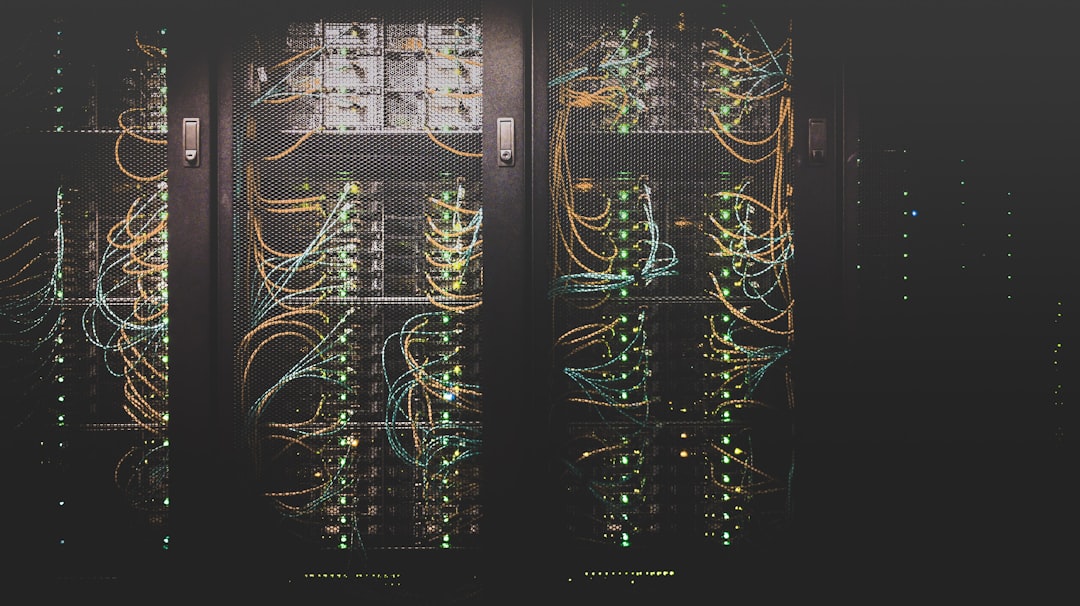
Career Ahead research indicates that data center architects who proactively adapt to these changes will position themselves as leaders in the industry. By embracing new hardware solutions and optimizing infrastructure for TurboQuant, they can enhance their data centers’ performance and appeal to clients seeking cutting-edge solutions. Collaboration between cloud ML engineers and data center architects will be more critical than ever. As both groups work to implement TurboQuant effectively, their combined efforts will drive innovation and efficiency across the AI landscape.
You may also like
 AI & Technology
This startup is issuing AI-generated acne prescriptions
Nolla Health's AI system analyzes acne severity and autonomously writes prescriptions for treatments. This pilot program costs $4.99 per month and is available to Utah…
Read More →As the demand for AI capabilities continues to grow, those who understand and implement TurboQuant’s principles will be well-equipped to lead the charge in transforming AI infrastructure. The integration of TurboQuant into existing systems will not only enhance operational efficiency but also redefine the competitive landscape for AI service providers.
In conclusion, the evolution of TurboQuant represents a pivotal moment for AI infrastructure. As cloud ML engineers and data center architects navigate this new landscape, the focus will need to shift towards embracing these advancements and rethinking traditional approaches to AI deployment. The future of AI infrastructure is poised for transformation, and those who adapt will thrive in this dynamic environment.
Frequently Asked Questions
What does TurboQuant mean for cloud ML engineers?
TurboQuant introduces new optimization techniques that cloud ML engineers must learn to implement effectively. This shift will require a focus on advanced quantization methods to enhance model efficiency.
Continuous learning and adaptation will be essential to leverage these advancements effectively.
How can data center architects adapt to new AI infrastructure requirements?
Data center architects should focus on upgrading their hardware to support TurboQuant-optimized models. This may involve investing in specialized hardware that can handle the new demands of AI workloads.

What should cloud ML engineers do to optimize workloads with TurboQuant advancements?
Cloud ML engineers should familiarize themselves with TurboQuant’s methodologies and incorporate them into their workflows. Continuous learning and adaptation will be essential to leverage these advancements effectively.
You may also like
 AI & Technology
Beam Unveils Affordable AI Model to Disrupt Competitors
Reflection AI's Beam model, launched on October 5, 2026, is set to disrupt the AI market by offering a cost-efficient alternative to leading Chinese models.…
Read More →