No products in the cart.

Nifty’s 7th Weekly Loss Signals Investor Action Needed
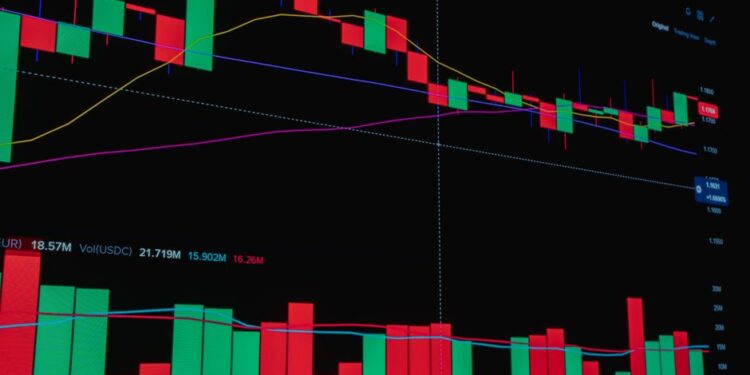
The Nifty 50's seventh consecutive weekly loss raises alarms for equity investors, prompting a re-evaluation of strategies. With rising US Treasury yields and geopolitical uncertainties, investors must navigate a challenging landscape.

The Nifty 50 index has faced its seventh straight weekly loss, a trend not seen in six years. This drop is due to rising US Treasury yields, geopolitical tensions, and large foreign institutional investor (FII) outflows. The index closed at 23,140.50, prompting equity investors to rethink their strategies amid these challenges.
As the market deals with these pressures, investors are uncertain about the future of equities. The Nifty’s ongoing decline encourages a closer look at the factors causing these losses, including rising crude oil prices and changes in global financial markets.
Impact of Rising US Treasury Yields
Rising US Treasury yields greatly affect global equity markets, including India. When yields rise, borrowing costs increase, which can reduce spending and investment. This situation is troubling for equity investors who depend on low interest rates to support stock values. Career Ahead’s analysis shows that higher yields make fixed-income investments more appealing than equities, shifting investor sentiment.
Data from thereader.ai indicates that the rise in US Treasury yields has led many investors to reconsider their exposure to riskier assets. The Nifty’s performance mirrors this trend, as investors weigh potential returns against rising borrowing costs. This shift toward safer, fixed-income options could worsen the Nifty’s struggles, causing more funds to leave equities.
Additionally, the link between US Treasury yields and foreign investment in Indian markets is significant. As yields rise, foreign institutional investors may retreat from riskier markets like India. This trend has already shown with notable FII outflows during the Nifty’s recent decline. Investors should watch this closely, as it may signal more volatility in the Indian equity market.
Moreover, rising yields are compounded by inflation concerns and economic growth projections. Investors need to consider how these factors interact to influence market sentiment and stock performance. The Nifty’s current path may serve as a warning, urging investors to reassess their portfolios based on these economic indicators.
Moreover, rising yields are compounded by inflation concerns and economic growth projections.
As the global economy evolves, understanding the effects of rising US Treasury yields will be crucial for investors navigating today’s market complexities.
Geopolitical Factors and Market Sentiment
Geopolitical uncertainties significantly shape market sentiment, and the current climate is no different. Increased tensions in various regions, including conflicts and trade disputes, can cause volatility in equity markets. The Nifty’s recent losses partly stem from these external factors, which have heightened investor anxiety.
Career Ahead research shows that geopolitical events can trigger swift and unpredictable market reactions. Recent developments in international relations have made investors cautious about potential economic impacts. Uncertainty in global trade and diplomacy can heavily influence market performance and investor confidence.
Furthermore, understanding the interplay between domestic and international factors is key to grasping the Nifty’s decline. As geopolitical tensions rise, investors may become more risk-averse, leading to capital outflows from emerging markets like India. This behavior can worsen the challenges faced by the Nifty.
Market analysts suggest that the current geopolitical landscape may lead to prolonged volatility for the Nifty. Investors should stay alert and consider how these external factors might impact their strategies. Adapting to changing geopolitical circumstances will be essential for navigating the equity market’s uncertain waters.
In this context, understanding how geopolitical events affect market sentiment will be vital for investors making informed decisions in a rapidly changing environment.
Higher oil prices can increase costs for businesses, impacting profitability and stock valuations.
Predictions on Oil Prices and Their Effect on Equities
The link between oil prices and equity markets is complex. Recent trends show that rising crude oil prices have contributed to the Nifty’s ongoing losses. Higher oil prices can increase costs for businesses, impacting profitability and stock valuations. As the Nifty faces these challenges, investors must consider how fluctuating oil prices affect their portfolios.
Data from ndtvprofit.com reveals that the current surge in oil prices raises concerns about inflation and its potential impact on economic growth. Investors are sensitive to oil price changes, as they can influence consumer spending and overall market sentiment. The Nifty’s decline amid rising oil prices highlights the interconnectedness of global markets and the need to monitor these developments.
Moreover, the impact of oil prices goes beyond immediate market reactions. Sustained high oil prices can have long-term economic effects, influencing everything from consumer behavior to corporate earnings. Investors should be aware of how these dynamics may shape the Nifty’s future and the broader equity market.

As oil prices remain a critical factor in the economy, understanding their influence on equities is essential for investors facing upcoming challenges. The Nifty’s performance in the coming weeks will likely depend on developments in the oil market, making it a key area for investors to watch.
Career Ahead analysis suggests diversifying investments and focusing on sectors less affected by downturns can be helpful.
Given these factors, the outlook for the Nifty remains uncertain. Investors must stay agile and informed as they navigate the current market complexities.
Frequently Asked Questions
What should equity investors do in a declining market?
In a declining market, equity investors should closely monitor trends and adjust their portfolios. Career Ahead analysis suggests diversifying investments and focusing on sectors less affected by downturns can be helpful.
How can financial analysts interpret the impact of geopolitical uncertainty on stock performance?
Financial analysts interpret the impact of geopolitical uncertainty by examining historical trends and current events. Career Ahead research indicates that geopolitical factors often lead to increased volatility and can significantly affect investor sentiment and market dynamics.

What strategies should I adopt to mitigate risks during this downturn?
To mitigate risks during a downturn, investors should consider diversifying their portfolios and focusing on companies with strong fundamentals. Career Ahead analysis highlights the importance of maintaining a balanced approach to investing in uncertain times.
Written by Career Ahead AI. AI can make mistakes, so verify key facts. Report errors to support@careeraheadonline.com.