


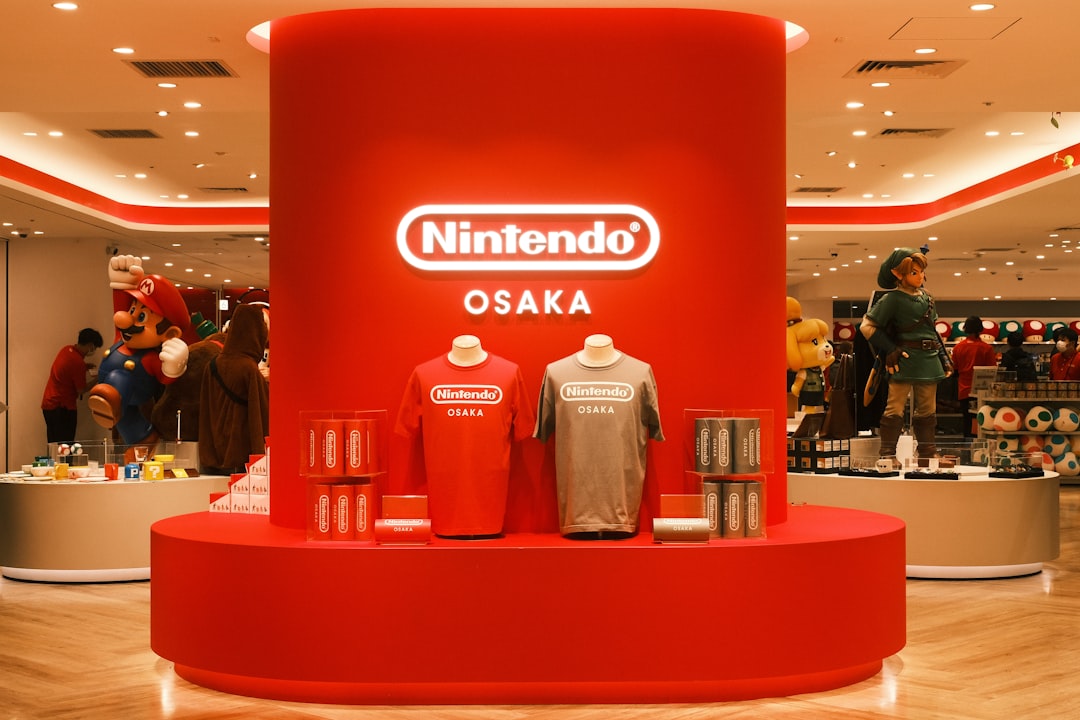
Nintendo is successfully navigating a turbulent gaming industry. As consoles become more expensive and layoffs become common, many companies are struggling. However, Nintendo has managed to stay afloat by focusing on its core strengths and maintaining a consistent release schedule. This approach not only keeps its loyal fanbase engaged but also highlights a unique strategy that could influence your career decisions in the gaming and tech sectors.
In recent months, the gaming industry has faced significant challenges. Major companies are shutting down games, and the live-service model is in turmoil. According to a report from The Verge, Nintendo has weathered these storms by largely ignoring fleeting trends and concentrating on what it does best: creating engaging games that resonate with players. This strategy has allowed Nintendo to maintain a steady stream of releases, particularly for its popular Switch console.
In March 2026, Nintendo continued to release new titles, showcasing its commitment to quality and consistency. This is a stark contrast to other companies in the industry, which are grappling with rising costs and market uncertainty. For instance, the Australian games industry is also facing similar challenges, with many developers struggling to keep their projects afloat amid financial pressures. According to GamesHub, the ongoing storm in the gaming sector has made it increasingly difficult for studios to operate effectively, leading to a wave of layoffs and project cancellations.
Nintendo’s Strategy: A Blueprint for Success
Nintendo’s approach is not just about survival; it’s about strategic resilience. While many companies chase the latest trends, Nintendo focuses on its unique strengths. This has allowed it to create games that not only attract new players but also retain long-time fans. The company’s dedication to innovation and quality is evident in its recent titles, which have received critical acclaim.
Nintendo’s Strategy: A Blueprint for Success Nintendo’s approach is not just about survival; it’s about strategic resilience.
 AI & Technology
Samsung Projects $80 Billion Profit Amid AI Chip Surge
Samsung Electronics has projected a record quarterly profit of $80 billion for Q3 2026, driven by soaring demand for AI chips and a global memory…
Read More →Moreover, Nintendo’s strategy emphasizes the importance of strong brand loyalty. By creating beloved franchises like Mario and Zelda, the company has built a community of dedicated fans who eagerly anticipate new releases. This loyalty translates into robust sales, even during challenging economic times. In contrast, other companies that rely heavily on live-service models are finding it difficult to maintain player engagement when their games fail to deliver consistent quality.
As the gaming landscape evolves, the importance of community and brand loyalty cannot be overstated. Nintendo’s success demonstrates that focusing on quality and player engagement can lead to sustainable growth, even in an uncertain market. This is a crucial lesson for anyone looking to build a career in gaming or tech.
What This Means for Your Career in Gaming
The current state of the gaming industry has significant implications for your career. If you are entering the field, it’s essential to understand the trends shaping the market. Here’s how the situation affects various career paths:
- Entry-Level Positions: For those just starting, opportunities may be available at companies that prioritize creativity and innovation. Look for firms that focus on quality over quantity, as they are likely to weather economic storms better.
- Mid-Career Professionals: If you’re already established in your career, consider how your skills align with companies like Nintendo that emphasize strong brand loyalty and community engagement. Upskilling in areas such as game design or community management could enhance your value.
- Career Switchers: If you’re looking to transition into gaming, focus on developing skills that are in demand. Learning about user experience design or game monetization strategies can make you a valuable asset to companies navigating the current challenges.
Actionable Steps to Position Yourself for Success
- Expand Your Skill Set: Take online courses in game design or programming to improve your marketability. Websites like Coursera and Udemy offer courses tailored to the gaming industry.
- Network Actively: Join gaming communities and attend industry events. Networking can open doors to opportunities and provide insights into industry trends.
- Stay Informed: Follow industry news to understand market shifts. Publications like The Verge and GamesHub provide valuable insights into the gaming landscape.
However, experts warn that this trend may not be sustainable. A recent article from The Japan Times highlights that while Nintendo has found success, the overall gaming industry is facing significant layoffs and restructuring. This raises questions about the long-term viability of companies that are not adapting to the changing market dynamics. It’s crucial for professionals to remain adaptable and continuously update their skills to stay relevant.
The Future of Gaming: Will Nintendo Lead the Way?
As we look to the future, the gaming industry is likely to undergo further transformations. Nintendo’s current success raises questions about the sustainability of its model. Will other companies adopt similar strategies, or will they continue to chase fleeting trends? The ability to adapt will be crucial for survival.
 AI & Technology
Taiwan’s Taiex Outperforms South Korea’s Kospi Amid AI Boom
Taiwan’s Taiex Index has surged ahead of South Korea’s Kospi, outperforming it by an impressive 23 percentage points in the last quarter, marking a significant…
Read More →Mid-Career Professionals: If you’re already established in your career, consider how your skills align with companies like Nintendo that emphasize strong brand loyalty and community engagement.
Moreover, the rise of AI in gaming presents both challenges and opportunities. Companies that can leverage AI effectively may find new ways to enhance player experiences and streamline development processes. As a professional in this field, staying ahead of these trends will be vital.


In light of these developments, how can you prepare for the evolving landscape of the gaming industry? What skills will you need to thrive in a market that is constantly changing? The answers to these questions will shape your career trajectory in the coming years.
Written by Career Ahead AI. AI can make mistakes, so verify key facts. Report errors to support@careeraheadonline.com.





