No products in the cart.

Taiwan’s Taiex Outperforms South Korea’s Kospi Amid AI Boom

Taiwan’s Taiex Index has surged ahead of South Korea’s Kospi, outperforming it by an impressive 23 percentage points in the last quarter, marking a significant shift in investor sentiment towards AI-driven companies.

Taiwan’s Taiex Index has surged ahead of South Korea’s Kospi, outperforming it by an impressive 23 percentage points in the last quarter. This marks the widest margin since the turn of the century, indicating a significant shift in investor sentiment towards AI-driven companies in Taiwan. As equity investors approach the end of a pivotal year, the Taiex is emerging as a stronger bet in the global AI trade.
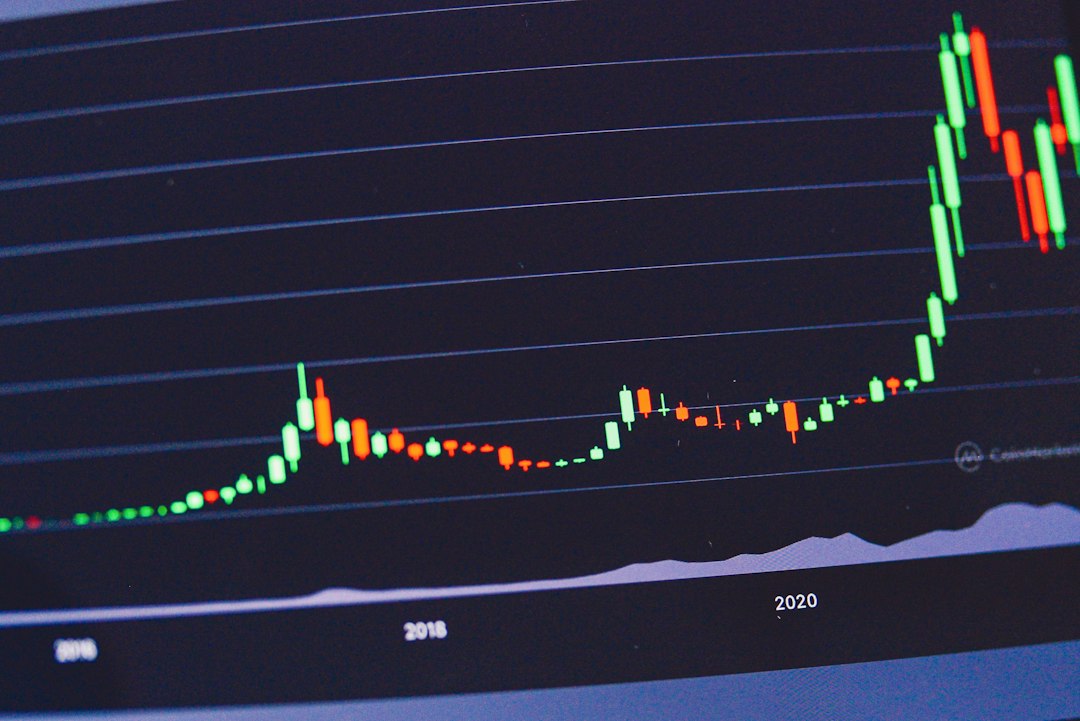
The Taiex’s remarkable performance is underscored by its 72% increase in 2026, making it the top-performing index among over 90 tracked by Bloomberg. In contrast, South Korea’s Kospi has risen by about 65%, reflecting a growing divergence in the two markets. This trend is not just a matter of numbers; it signifies a broader change in the investment landscape, driven largely by advancements in AI technology.
Investment Landscape in Taiwan’s AI Sector
The optimism surrounding Taiwan’s tech sector is primarily fueled by its robust AI supply chain. Taiwan’s companies are deeply integrated across various stages of AI production, including chip design, manufacturing, packaging, and networking. This comprehensive involvement provides investors with diverse opportunities to capitalize on the expanding AI market. For instance, Taiwan Semiconductor Manufacturing Company (TSMC), a key player in the semiconductor industry, has seen its shares rise by 2.9% over the last quarter, reflecting investor confidence in its long-term prospects.
According to a recent analysis by Career Ahead, approximately 40% of fund managers surveyed by Bank of America reported being overweight in Taiwan stocks, compared to just 25% for Korea. This shift signifies a growing belief that Taiwan offers a more stable and promising investment environment, particularly as AI spending continues to broaden. The nature of earnings in Taiwan, driven by volume rather than price, makes these upgrades more reliable and less susceptible to market fluctuations.
Moreover, the Taiwanese government has been proactive in fostering an environment conducive to AI innovation, providing incentives for research and development within the tech sector. This commitment to nurturing homegrown talent and technology is further evidenced by Taiwan’s investment in AI infrastructure, which is expected to enhance the capabilities of local firms and attract foreign investments. As a result, the AI sector in Taiwan is not only thriving but also evolving rapidly, positioning itself as a leader in the global market.
Moreover, the Taiwanese government has been proactive in fostering an environment conducive to AI innovation, providing incentives for research and development within the tech sector.
Challenges Facing South Korea’s Tech Industry
In contrast, South Korea’s market is heavily reliant on a few major players, notably Samsung Electronics and SK Hynix. While these companies have historically dominated the semiconductor market, recent declines in memory chip prices have raised concerns about their future performance. As earnings from these firms begin to plateau, investors are increasingly looking to Taiwan for more consistent growth opportunities.
You may also like
 Government & Policy
How India is Positioning Itself for Digital Asset Leadership
India is on the brink of becoming a global leader in responsible digital asset innovation. With a strong technology base and evolving regulatory frameworks, the…
Read More →Furthermore, Taiwan’s broader range of tech companies, which are not solely focused on memory chips, positions it favorably for the next phase of AI growth. With about 10% of Taiex stocks doubling in value this year, compared to only 4.1% of Kospi stocks, the momentum is clearly in Taiwan’s favor. This diversification in Taiwan’s tech landscape allows for a more resilient market, capable of weathering fluctuations in specific sectors.
Strategic Shifts for South Korean Firms
The performance gap between Taiwan’s Taiex and South Korea’s Kospi is prompting a reevaluation of market strategies among South Korean tech firms. As the AI landscape evolves, South Korean companies may need to diversify their portfolios beyond traditional semiconductor manufacturing. The current reliance on memory chips, which are facing price normalization and increased competition, could hinder long-term growth.
Strategists at Societe Generale have expressed a preference for Taiwanese equities over Korean ones, citing diverging earnings growth trajectories. They warn that South Korea’s memory price appreciation is expected to slow, which could exacerbate the existing vulnerabilities in its tech sector. This scenario forces South Korean firms to innovate and explore new avenues for growth, particularly in AI and related technologies.
As the AI market expands, South Korean companies might also need to invest in partnerships or acquisitions that enhance their capabilities in AI development and integration. This shift could lead to a more collaborative approach within the industry, potentially resulting in a more resilient tech ecosystem in South Korea. Companies may also look to leverage their existing strengths in hardware to develop AI solutions that can be integrated into their products, thus creating a more comprehensive offering for consumers.
Implications for the Asian Economic Landscape
The rise of Taiwan’s Taiex over South Korea’s Kospi is not just a market phenomenon; it has broader implications for the regional economic landscape in Asia. As AI continues to drive technological advancements, countries that effectively leverage their strengths in this sector are likely to see significant economic benefits. Taiwan’s success in attracting investments in AI technology could set a precedent for other countries in the region.
Countries that invest in AI infrastructure and workforce development are likely to experience accelerated growth.
You may also like
 AI & Technology
AI Advances Heighten Cybersecurity Risks, JPMorgan Warns
JPMorgan Chase & Co. CEO Jamie Dimon warns that Anthropic's AI model, Mythos, has significantly increased global cybersecurity risks, necessitating a reevaluation of threat detection…
Read More →Career Ahead research identifies that the ongoing AI boom is anticipated to create a ripple effect throughout the Asian economy. Countries that invest in AI infrastructure and workforce development are likely to experience accelerated growth. This trend could lead to increased competition among Asian nations as they strive to position themselves as leaders in the global AI market.
Furthermore, as Taiwan solidifies its position in the AI supply chain, it may inspire other nations to enhance their capabilities in this area. Governments in the region could implement policies that encourage innovation and investment in AI technologies, fostering a more dynamic economic environment. However, this shift also presents challenges. As countries race to adopt AI technologies, they must address potential issues such as workforce displacement and the need for upskilling. The focus on AI should not only be on economic growth but also on ensuring that the workforce is prepared for the changes that come with it.

As the competition for AI dominance heats up, it will be crucial for investors and analysts to monitor developments in both Taiwan and South Korea. The evolving dynamics in these markets will likely shape investment strategies and economic forecasts across the region. Investors should watch closely for signals of how South Korean firms respond to the challenges posed by Taiwan’s success. The next few quarters could reveal whether South Korea can pivot effectively in the face of growing competition or if Taiwan will continue to solidify its lead in the AI-driven market.
Frequently Asked Questions
What are the top AI companies driving Taiwan’s Taiex growth?
Career Ahead’s analysis shows that Taiwan Semiconductor Manufacturing Company (TSMC) is a key player driving the Taiex’s growth, alongside other firms involved in chip design and manufacturing. These companies are benefiting from the increasing demand for AI technologies.
Career Ahead’s analysis shows that Taiwan Semiconductor Manufacturing Company (TSMC) is a key player driving the Taiex’s growth, alongside other firms involved in chip design and manufacturing.
How should financial analysts adjust their forecasts based on this market shift?
Financial analysts should consider the broader range of opportunities in Taiwan’s tech sector, particularly those linked to AI. Adjusting forecasts to reflect the growing importance of AI-related earnings could provide a more accurate picture of future market performance.

What investment strategies should investors consider in light of Taiwan’s rising tech market?
You may also like
 AI & Technology
Lucknow Emerges as India’s Next AI Innovation Hub | Career Outlook
The Uttar Pradesh government is positioning Lucknow as a leading AI innovation hub, aiming to support 50 startups over five years. This initiative is part…
Read More →Investors may want to focus on diversified portfolios that include Taiwanese tech firms with strong AI capabilities. This approach can help mitigate risks associated with over-reliance on specific sectors, such as memory chips in South Korea.