No products in the cart.

Nomad Villages: When Remote Workers Turn Tiny Towns Into Hubs
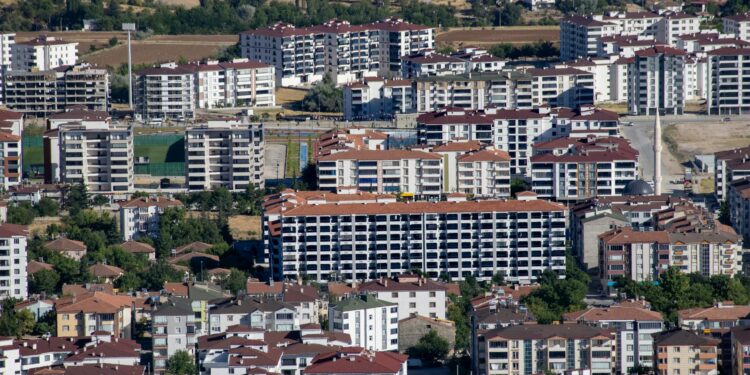
Affordable co‑living and vibrant commons are pulling freelancers from San Francisco to sleepy mountain hamlets, reshaping economies and exposing fragile…

Affordable co‑living and vibrant commons are pulling freelancers from San Francisco to sleepy mountain hamlets, reshaping economies and exposing fragile cultures.
The Isolation of Remote Work
Maria Alvarez, a freelance graphic designer from Mexico City, spent six months in a cramped Airbnb in Chiang Mai. She loved the low rent, but evenings felt empty. A study by the World Economic Forum found that 42 % of remote workers report feeling lonely after three months of solo work.
In popular hotspots like Bali or Lisbon, demand has driven rent up 30 % in the past year, according to a Numbeo report. Young professionals who can no longer afford beachfront flats end up living in shared rooms or moving back home, cutting their productivity and raising burnout risk.
The Rise of Digital Nomadism

The pandemic accelerated a shift that was already underway. Remote‑work platforms reported a 27 % surge in users who listed “travel” as a primary motivation in 2023. Companies such as Selina and Remote Year have packaged visas, housing, and coworking into single offers, creating a market for “nomad villages.”
The Rise of Digital Nomadism Nomad Villages: When Remote Workers Turn Tiny Towns Into Hubs The pandemic accelerated a shift that was already underway.
Undeveloped locales are now on the radar. In Portugal’s Alentejo region, the town of Évora launched a pilot “Nomad Village” in 2024, offering 50 co‑living units at €450 per month. Within six months, the village housed workers from 12 countries, cutting the town’s youth unemployment by 4 %.
The Potential for Sustainable Development
When digital nomads arrive, they bring disposable income. In the Mexican town of San Juan Chamula, Airbnb reported a 150 % jump in bookings after a co‑living project launched by the startup Co‑Habitat in early 2025. Local cafés reported a 25 % rise in sales, and a new bike‑repair shop opened, hiring three locals.
However, critics warn that an influx can push up property prices, squeezing out residents. In Chiang Mai’s Old City, a 2024 survey by the Chiang Mai University found that 68 % of long‑time residents felt “pressure to sell” as landlords converted family homes into short‑term rentals.
Innovative Housing and Community Solutions

Enter the co‑living model. Selina’s “Co‑Living Hub” in Medellín repurposes former factories into 120‑bed units, each with private rooms and shared kitchens. Rent includes high‑speed internet, a coworking desk, and weekly language exchanges with locals. The venture reports 85 % occupancy and a 15 % reduction in resident turnover compared to traditional hostels.
Community spaces are equally crucial. In Portugal’s Alentejo pilot, the village’s central pavilion hosts daily workshops—ranging from Portuguese cooking to digital‑marketing bootcamps—run jointly by remote workers and municipal staff.
The Future of Digital Nomad Villages
Demand is set to keep climbing. A Remote Year internal forecast predicts 1.2 million nomads will be living abroad by 2027, many seeking “purpose‑built” villages rather than ad‑hoc rentals.
You may also like
 Career Guidance
SBI PO Mains Result Timeline and Prep Insights
The SBI PO Mains Result 2026 is anticipated in September or October 2026. Candidates should prepare for the next selection phases while awaiting results.
Read More →Innovative Housing and Community Solutions Nomad Villages: When Remote Workers Turn Tiny Towns Into Hubs Enter the co‑living model.
Success will hinge on three factors: transparent pricing that protects locals from rent spikes, robust infrastructure to avoid overtaxing fragile ecosystems, and genuine community integration, where locals shape the village’s cultural calendar rather than being sidelined.
When these align, nomad villages could become engines of inclusive growth. For ambitious young professionals, the emerging field of “remote‑community liaison” offers a career path: managing the interface between incoming freelancers and host towns, coordinating events, and ensuring sustainability standards are met.
“`json
{
“excerpt”: “Co‑living hubs and community pavilions are turning remote‑work isolation into economic opportunity for tiny towns, but unchecked growth risks gentrification and resource strain.”,
“image_keywords”: [“digital nomad village”, “co-living”, “remote work community”]
}