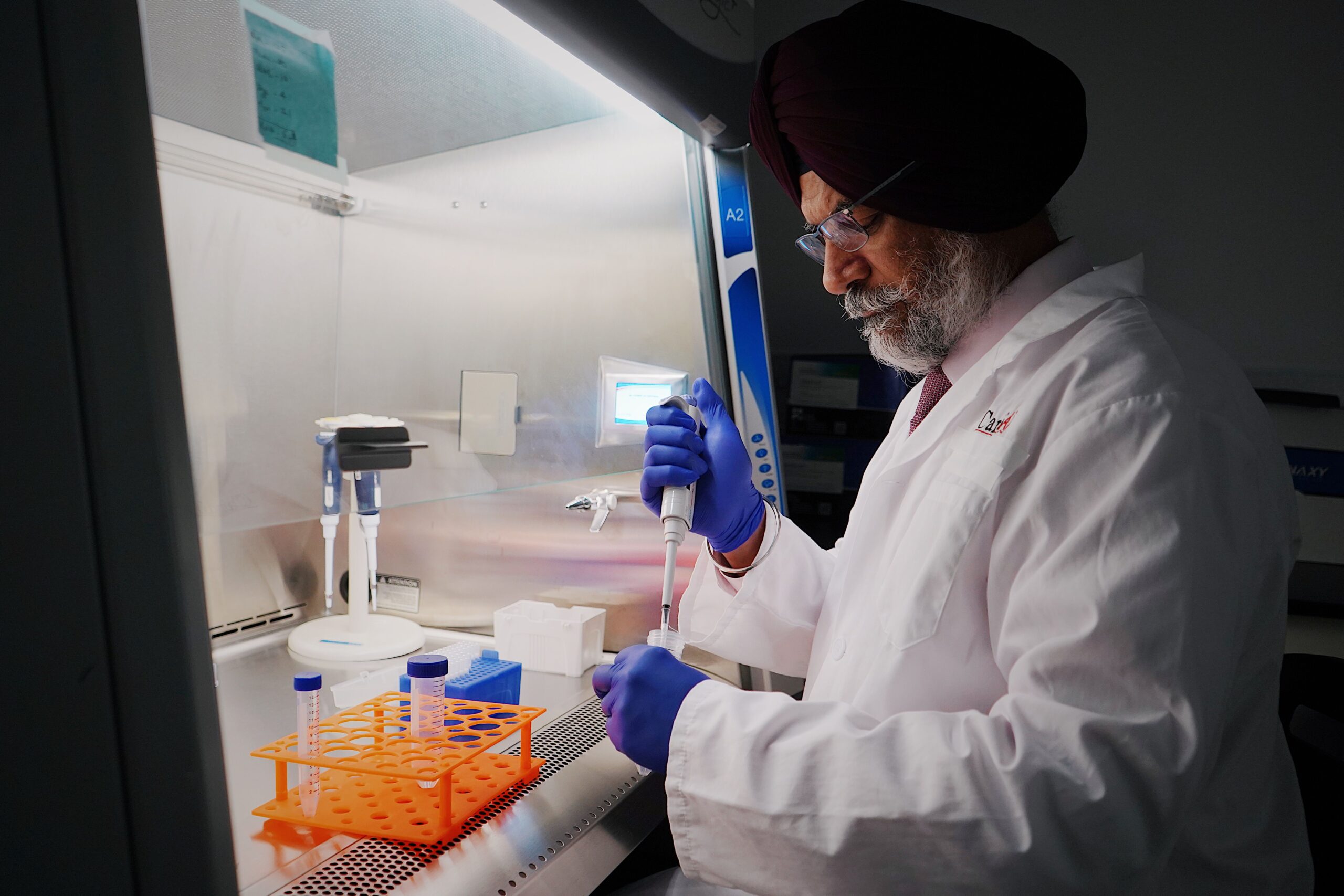
Washington, D.C. — The Trump administration is making significant changes to nuclear safety regulations, a move that could reshape the landscape of nuclear energy in the United States. The Department of Energy (DOE) has relaxed rules aimed at ensuring the safety and security of nuclear power plants, which raises critical questions about environmental and human health risks. As nuclear startups secure substantial funding, these regulatory adjustments may accelerate reactor development, but at what cost?
According to reports, the DOE has revised approximately one-third of its nuclear safety rulebook, eliminating several requirements that previously governed the safety of nuclear reactors built on its properties. Key provisions designed to limit groundwater and environmental contamination have been downgraded to mere suggestions. Additionally, workers at these facilities can now be exposed to higher doses of radiation, and security protocols are left largely to the discretion of the companies operating the plants.
This shift comes as nuclear startups are raising significant capital, with over $1 billion secured recently, partly driven by the growing demand for electricity from data centers. The urgency of developing new reactors is underscored by the Trump administration’s goal to have demonstration reactors operational by July 4, 2026. However, the implications of these relaxed rules could be profound, affecting not only the safety of the facilities but also the health of nearby communities.
Why the Trump Energy Department’s Changes Matter
The changes instituted by the Trump Energy Department could have far-reaching effects on the nuclear energy sector. By loosening safety regulations, the administration is prioritizing rapid development and deployment of nuclear technology over stringent safety measures. This approach may appeal to investors eager to capitalize on the nuclear renaissance, but it raises alarms among safety advocates and environmentalists.
By loosening safety regulations, the administration is prioritizing rapid development and deployment of nuclear technology over stringent safety measures.
Critics argue that the rollback of safety regulations undermines decades of progress in nuclear safety and could lead to catastrophic consequences. For instance, allowing companies to self-regulate their security protocols may increase the risk of accidents or mishandling of nuclear materials. The potential for groundwater contamination from nuclear facilities also poses a significant threat to public health, particularly in areas where water resources are scarce.
Furthermore, the changes may set a dangerous precedent for future energy policies. If nuclear safety regulations can be so easily altered, what does that mean for other sectors? The implications extend beyond nuclear energy, suggesting a broader trend of deregulation that could affect various industries.
 Government & Policy
UK Weighs Mandatory AI Safety Reporting as Microsoft’s Brad Smith Calls for Global Rules
The UK government is examining how serious AI incidents and near misses should be reported, and Microsoft’s Brad Smith has called for global AI safety…
Read More →As these developments unfold, it’s essential for professionals in the energy sector, policymakers, and the public to remain vigilant. Understanding the potential risks associated with these regulatory changes is crucial for ensuring that safety remains a priority in the pursuit of energy innovation.
How These Changes Impact Your Career in Energy
For those working in the energy sector, particularly in nuclear energy, the revised safety regulations could signal a shift in job responsibilities and industry standards. Here’s what you need to consider:
- Adapt to New Compliance Standards: With the relaxation of safety rules, energy professionals may need to navigate a more complex regulatory environment. Understanding the new guidelines will be essential for compliance and safety management.
- Focus on Risk Management: As safety regulations change, professionals should enhance their skills in risk assessment and management. This will be vital in ensuring that operational practices align with both safety and regulatory expectations.
- Engage in Public Awareness: Energy professionals should take an active role in educating the public and stakeholders about the implications of these changes. Transparency will be key to maintaining trust and ensuring community safety.
However, experts warn that the relaxation of nuclear safety regulations may not lead to the intended outcomes. A recent report from the Nuclear Regulatory Commission highlights that while innovation in nuclear technology is essential, it should not come at the expense of safety. Critics emphasize the need for a balanced approach that prioritizes both progress and the well-being of communities near nuclear facilities.
Focus on Risk Management: As safety regulations change, professionals should enhance their skills in risk assessment and management.
The Future of Nuclear Energy Regulations
Looking ahead, the future of nuclear energy regulations will likely depend on the ongoing dialogue between regulators, industry leaders, and the public. As nuclear startups continue to emerge, the pressure to innovate and meet energy demands will remain strong.
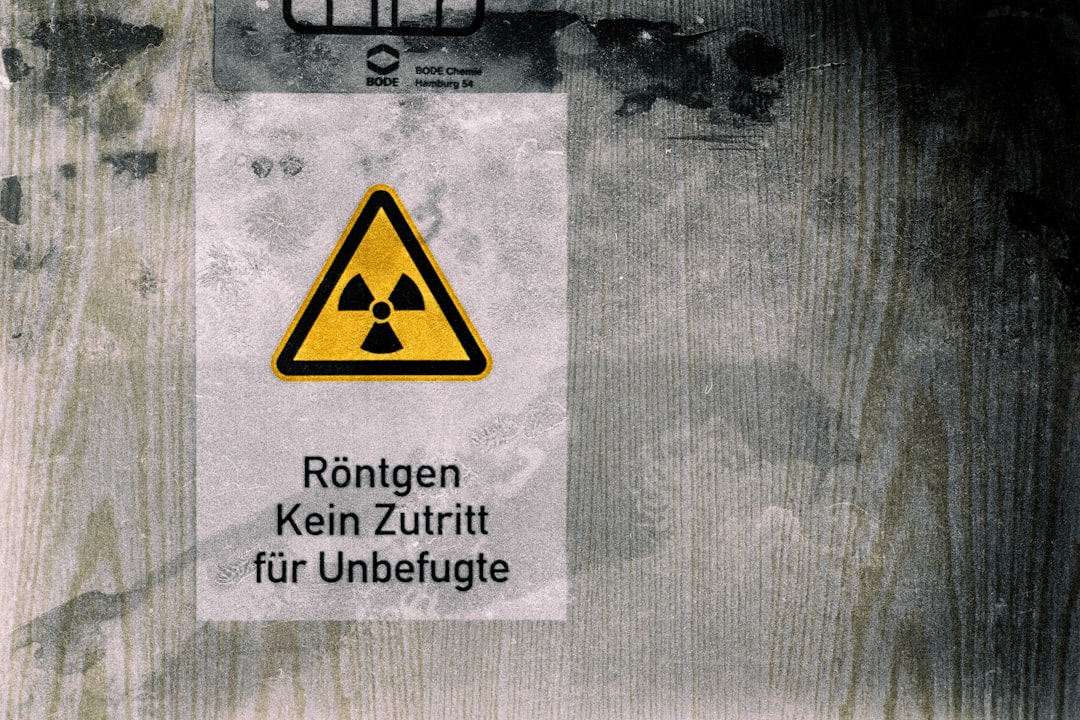
However, the challenge will be to find a balance between fostering innovation and ensuring safety. The current regulatory landscape may evolve further, especially if public sentiment shifts towards prioritizing safety over rapid development. As stakeholders engage in discussions about the future of nuclear energy, it will be crucial to consider the long-term implications of these regulatory changes.
 Government & Policy
The Need for a Tailored AI Safety Framework in India
Industry experts advocate for a distinct AI safety framework in India that caters to its cultural and technological landscape, contrasting with existing models from the…
Read More →Will the push for rapid nuclear development ultimately compromise safety, or can the industry find a way to innovate responsibly? The answers to these questions will shape the future of nuclear energy and its role in the broader energy landscape.
Written by Career Ahead AI. AI can make mistakes, so verify key facts. Report errors to support@careeraheadonline.com.