Delays at the Rosebank oil field in the North Sea due to an equipment mishap raise concerns about job security and safety protocols in the oil and gas industry, reflecting broader challenges as the sector transitions towards renewable energy.
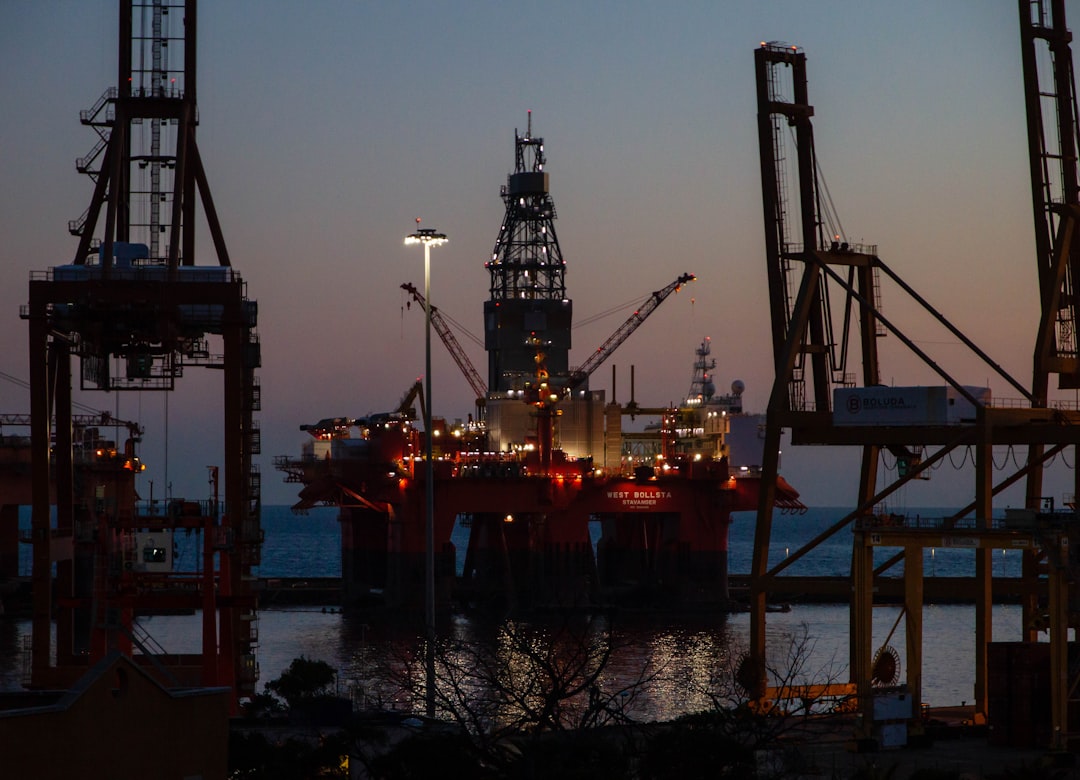
Production at the Rosebank oil field in the North Sea faces significant delays after equipment was accidentally dropped into the sea. This incident, which occurred on April 18, 2026, could push back operations by several months, impacting the timeline for oil extraction at one of the UK’s largest undeveloped oil fields. The company responsible for the site, Adura, has indicated that production may not commence until 2027, a setback for an operation that was initially expected to begin before the end of this year.
The dropped equipment included crucial drilling components, such as a safety valve, which fell 1,100 meters to the seabed. This incident underscores the risks inherent in offshore drilling operations, particularly in challenging environments like the North Sea. The recovery and repair of the rig, operated by Norwegian company Odfjell Drilling, will take considerable time, further complicating the project timeline. According to a report from The Guardian, the incident has raised alarms about the operational protocols in place, prompting calls for stricter safety measures in the industry.
Impact on Project Timelines and Job Security
The delay in drilling operations at Rosebank raises immediate concerns about job security for oil rig workers and offshore engineers. With the rig now out of action for up to four months, as reported by Odfjell Drilling, many workers may face uncertainty regarding their employment status. The oil and gas sector has already been under pressure, with trade unions warning that without new investments, the industry could face significant layoffs. The situation is exacerbated by the fact that many workers were already facing job insecurity due to previous fluctuations in the market and the ongoing transition towards renewable energy sources.
Career Ahead’s analysis finds that the extended timeline for production will likely lead to a ripple effect across the workforce.
China's reinstatement of fuel export curbs is set to tighten global energy markets, impacting diesel supply chains and raising prices worldwide. The regulatory changes present…
Career Ahead’s analysis finds that the extended timeline for production will likely lead to a ripple effect across the workforce. Oil rig workers, who were anticipating a return to full operations, may find themselves in a precarious position as the delay stretches on. Additionally, offshore engineers who depend on the stability of such projects for their careers may need to seek alternative employment or training in the interim. The uncertainty surrounding the Rosebank project is particularly concerning given that the UK government is currently reassessing its energy policy, which could further impact job security in the sector.
Furthermore, the situation at Rosebank comes at a time when the UK government is considering its energy policy amid public and political pressure. Some MPs argue that enhancing domestic oil production could help stabilize energy prices, while others caution against the environmental costs associated with new drilling. This political backdrop adds another layer of uncertainty for workers, as changes in government policy could further affect job security in the sector. A recent article from Al Jazeera highlights that the government’s decisions could either bolster the industry or lead to a significant downturn, depending on how they respond to both public sentiment and economic pressures.
The implications of these delays extend beyond immediate job security. The oil and gas industry is already facing scrutiny from environmental groups, who argue that continued investment in fossil fuels is counterproductive to combating climate change. If the UK government decides to halt or limit drilling licenses in response to public outcry, this could lead to more significant job losses in the future, particularly for workers in areas heavily reliant on the oil industry. The Daily Mail has reported on similar cases where regulatory changes have led to abrupt job losses, highlighting the precarious nature of employment in this sector.
Enhanced Safety Protocols and Risk Management Needs
The incident at Rosebank highlights the critical need for enhanced safety protocols and risk management in offshore drilling operations. The dropping of essential equipment raises questions about the operational procedures in place and whether they are sufficient to prevent such accidents from occurring in the future. As oil rig workers and offshore engineers navigate this challenging landscape, the emphasis on safety and risk mitigation becomes paramount. Experts suggest that the industry must adopt more rigorous training and safety standards to prevent similar incidents from happening again.
Analysts predict a challenging October for India's Nifty index due to rising US yields, volatile crude prices, and a weakening rupee. These factors are prompting…
The incident at Rosebank highlights the critical need for enhanced safety protocols and risk management in offshore drilling operations.
Career Ahead research identifies that improving safety standards could not only protect workers but also enhance overall operational efficiency. By investing in better training and equipment maintenance protocols, companies can mitigate the risks associated with offshore drilling. This approach not only safeguards workers but also ensures that projects stay on schedule, ultimately benefiting the entire industry. The Guardian has pointed out that companies that prioritize safety are more likely to attract skilled labor, as workers increasingly seek out employers who demonstrate a commitment to their well-being.
Moreover, as the industry faces increasing scrutiny from both environmental advocates and the public, companies must demonstrate their commitment to safety and sustainability. Implementing robust safety measures can help build trust and potentially ease the regulatory burden that often accompanies oil drilling projects. This proactive stance could also attract talent to the sector, as workers increasingly prioritize safety and environmental responsibility in their career choices. The need for a culture of safety in the industry is more pressing than ever as the sector grapples with operational challenges and public scrutiny.
In light of these developments, oil rig workers and offshore engineers should remain vigilant and informed about the evolving safety landscape. Understanding the implications of recent events can empower them to advocate for better working conditions and prioritize their safety on the job. The situation at Rosebank serves as a reminder of the complexities involved in offshore drilling. As companies navigate equipment failures and regulatory pressures, the future of oil rig workers hangs in the balance. With the potential for further delays and heightened scrutiny, it is crucial for industry stakeholders to prioritize safety and risk management in their operations.
As the UK government deliberates on the future of drilling licenses and the energy policy landscape evolves, oil rig workers and offshore engineers must remain adaptable. The upcoming months will be critical in determining the trajectory of the industry and the job security of those who work within it. Will the government prioritize domestic oil production, or will it heed the call of environmental advocates for a more sustainable approach? The decisions made in the near future will undoubtedly shape the landscape of the oil and gas sector and the livelihoods of countless workers.



Industry & Global Trends
 Industry & Global Trends